· Business Growth & Workspace · 6 min read
Bespoke Office Design 2026: The Shift to Ergonomic Realism
Discover why Bespoke Office Design 2026 prioritises ergonomic realism and experiential design over superficial aesthetics to drive Indian business growth.

TL;DR: As the global flexible workspace market matures toward a $28.94 billion valuation, Bespoke Office Design 2026 is replacing flashy ‘neon-sign’ decor with Ergonomic Realism and Experiential Design (EXD). For Indian businesses, this means workspaces optimised for cognitive performance, modular flexibility, and brand-aligned authenticity.
Indian entrepreneurs and corporate branch managers face mounting pressure to balance capital efficiency with top-tier talent retention. Navigating soaring commercial real estate costs across major IT corridors while battling the notorious OMR traffic in Chennai forces leaders to rethink traditional long-term leases. The conventional model of locking into rigid five-year agreements, coupled with heavy capital expenditure for fit-outs, no longer aligns with agile business growth.
Enter the era of Bespoke Office Design 2026, a strategic shift where workspaces function as dynamic business infrastructure rather than static assets. As global enterprise migration heavily favours flexible solutions, operators are abandoning standard ‘cookie-cutter’ layouts. Modern teams demand environments that offer genuine physical comfort, seamless connectivity, and professional prestige without the bloat of traditional office management overheads.
What is Bespoke Office Design 2026?
Bespoke Office Design 2026 is an architectural and operational framework that prioritises functional customisation, Ergonomic Realism, and biophilic wellness over superficial ‘Instagrammable’ aesthetics. It integrates Artisanal Coworking Spaces with data-driven layouts to create highly secure, private enterprise suites that reflect a brand’s unique identity. This approach actively boosts employee cognitive performance through superior air quality, natural lighting, and modular furniture systems. By focusing on Experiential Design (EXD), it ensures workspaces provide emotional security and physical comfort, directly supporting business agility and sustained operational growth.
The Shift from ‘Instagrammability’ to Ergonomic Realism
Industry analysts forecast a definitive end to the era of neon signs and purely social-media-friendly decor by 2026. Instead, business centres are embracing ‘Ergonomic Realism’, investing heavily in enterprise-grade IT infrastructure, advanced lumbar support, and climate control optimised for Chennai’s demanding humid weather. The focus is squarely on Experiential Design (EXD), an approach that builds brand loyalty by prioritising sensory engagement and meaningful workplace interactions over static, flashy objects. This shift is highly tactical for SME founders looking to maximise output per employee.
Furthermore, integrating biophilic elements and biomorphic fractal patterns into bespoke interiors has been proven to reduce occupant stress levels by up to 60%, according to Smithsonian Magazine research. Harvard COGfx data corroborates this, showing that high-performance environments with superior air quality and window access yield a 100% boost in cognitive function.
Crizone Pro Tip: Skip the purely aesthetic fit-outs and invest your workspace budget in high-speed, secure networks and ergonomic seating. A comfortable team processing complex GST filings or TDS returns operates much faster than one distracted by physical discomfort.
Does Adaptive Reuse Real Estate Lower Setup Costs?
A defining trend for the upcoming year is the strategic implementation of Adaptive Reuse Real Estate. Rather than pursuing ground-up new builds, operators are leveraging ‘historic materiality’—transforming existing architectural structures with layered, modern, and handcrafted elements. This artisanal pivot not only fosters emotional security for teams but significantly reduces the carbon footprint and capital expenditure of office setup. For corporate branch managers establishing a beachhead in Chennai, this means access to premium, brand-aligned environments without the traditional ₹50 Lakh+ fit-out cost.
When analysing the numbers, enclosing private suites within a flexible model proves highly economical, which is why they are projected to capture 45.6% of the coworking market share globally. Below is a realistic financial comparison for a 20-person enterprise team operating in Chennai over a 12-month period.
| Cost Component (Annualised for 20 Staff) | Traditional Office Lease (OMR/Guindy) | Crizone Bespoke Private Suite |
|---|---|---|
| Security Deposit (Lock-in) | ₹12,00,000 (6-10 months rent) | ₹2,00,000 (Flexible terms) |
| Interior Fit-outs & IT Setup | ₹25,00,000 (Capital Expenditure) | ₹0 (Inclusive) |
| Monthly Rent & CAM Charges | ₹24,00,000 (Fixed overhead) | ₹21,60,000 (Scalable as needed) |
| Electricity, AC & Maintenance | ₹4,50,000 (Variable & high) | ₹0 (Inclusive) |
| Total Year 1 Cash Outflow | ₹65,50,000 | ₹23,60,000 |
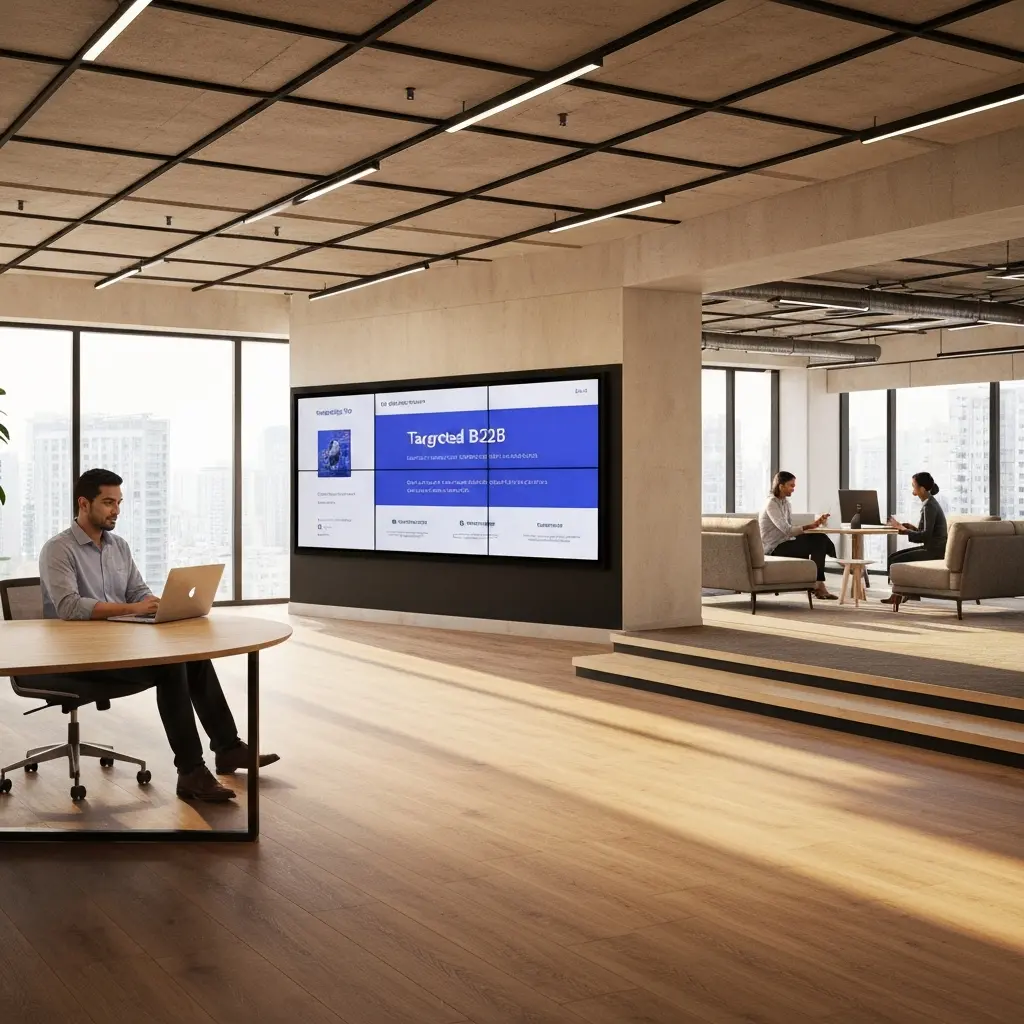
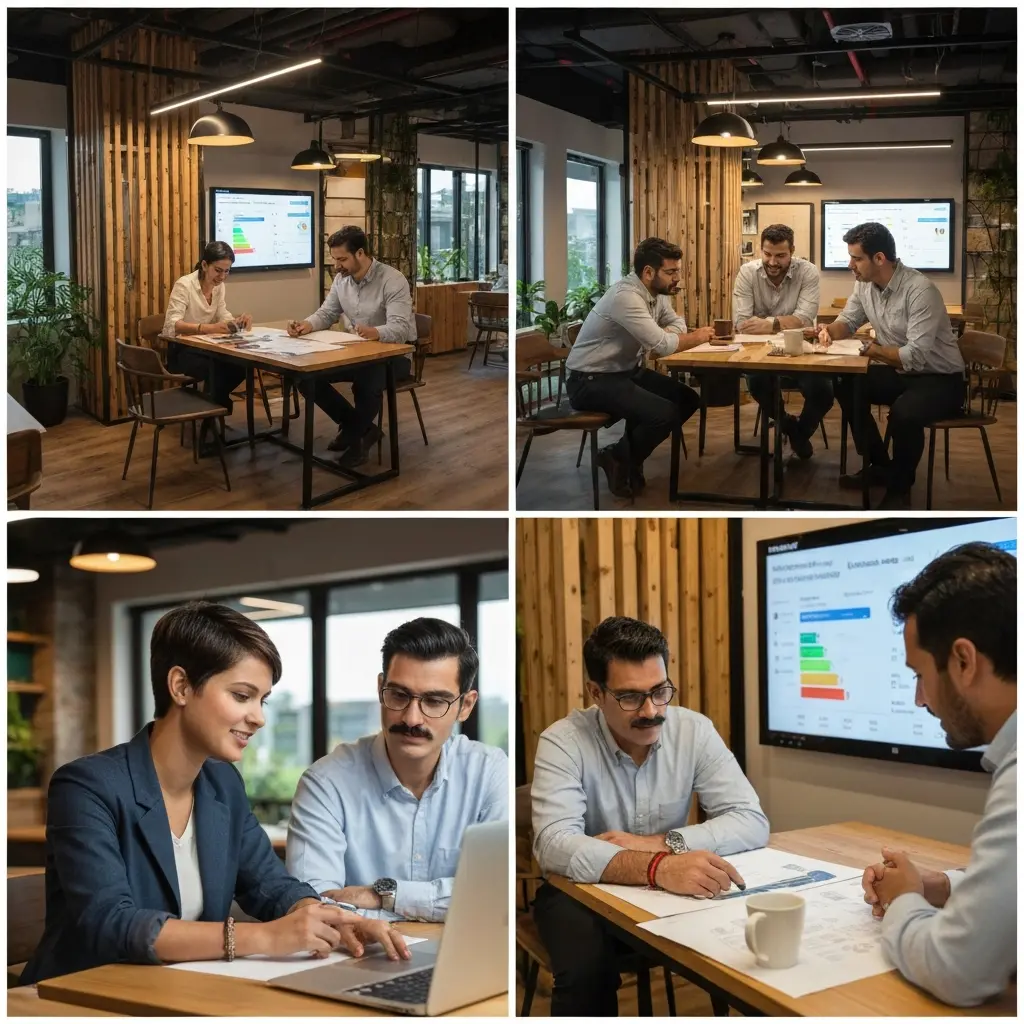
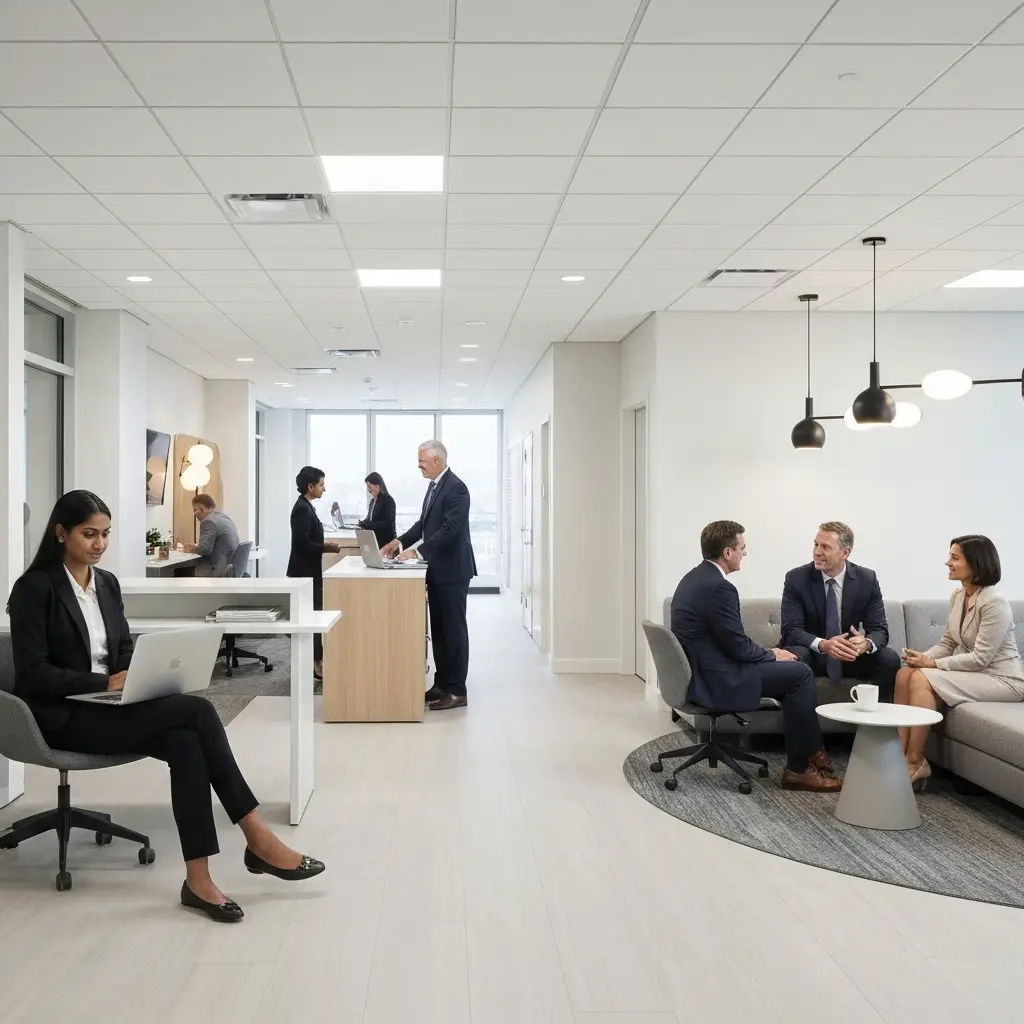
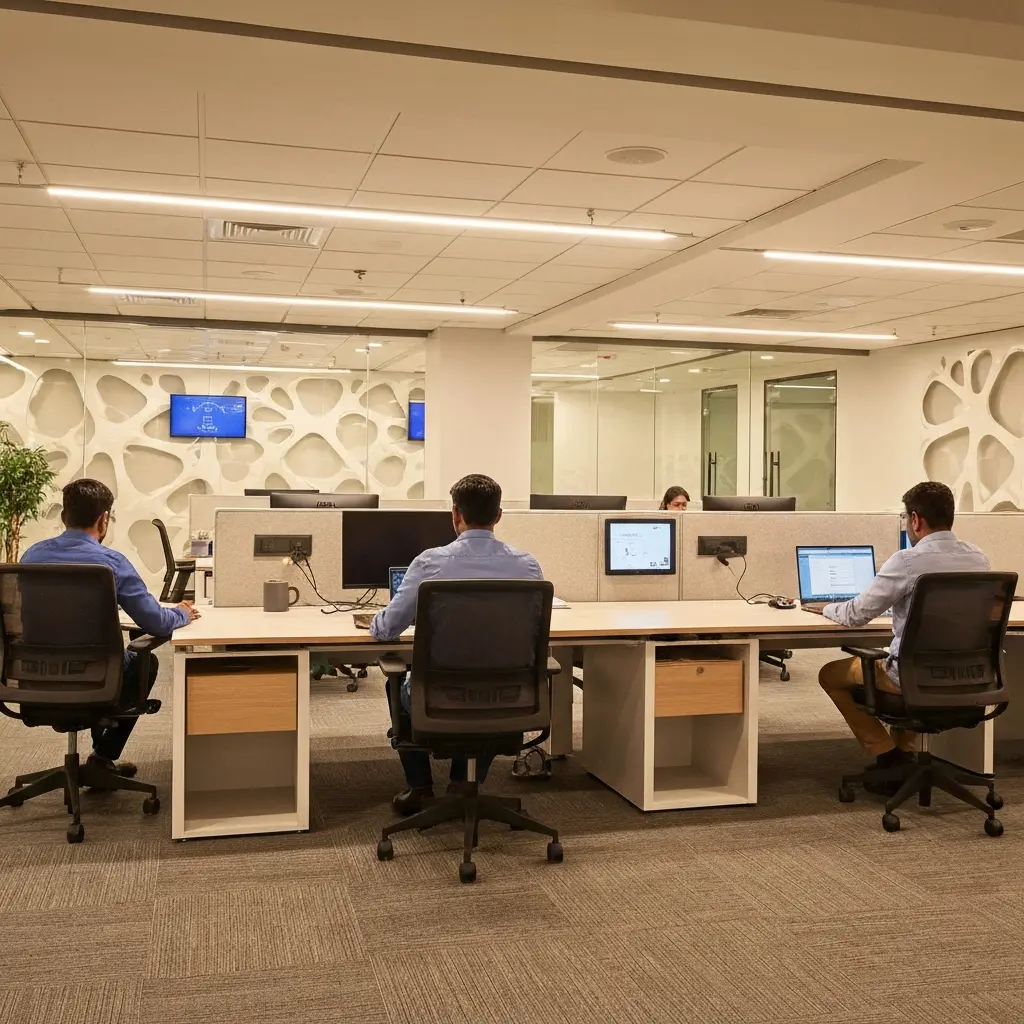
[Image of Professional workspace with modular ergonomic furniture and subtle biophilic design elements in an Indian business centre]
Experiential Design (EXD) and Elastic Capacity
Workspaces are evolving into ‘Living Organisms’, moving away from rigid floor plans to embrace Elastic Capacity layouts. By utilising modular furniture systems, office layouts can be reconfigured weekly based on live utilisation analytics, ensuring no square foot of leased space goes wasted. This level of agility is crucial during the Indian festive season or financial year-end, when team sizes or operational hours may temporarily surge.
Simultaneously, the rise of Artisanal Coworking Spaces introduces custom-made, handcrafted elements into the corporate environment. These subtle, high-quality textures communicate stability and premium brand positioning to visiting clients. For freelancers and enterprise teams alike, operating out of a space that balances elite functionality with sophisticated, bespoke design elevates their professional credibility.
Manager Insight: Agility is your greatest asset in an unpredictable market. Opt for flexible terms that allow you to expand your private suite capacity seamlessly, ensuring you only pay for the space you actively use.
The 2026 Outlook for Indian Workspaces
The global coworking market is on track to reach a valuation of $28.94 billion by 2026, exhibiting a robust 14% CAGR. In the Indian context, this signals the formal transition of flexible workspaces from a ‘startup alternative’ into critical infrastructure for mainstream enterprises. According to recent surveys by global real estate leaders, roughly 59% of companies expanding their footprint in 2026 will choose flexible workspaces over traditional long-term leases.
The demand in business hubs like Chennai will centre on secure, bespoke environments that offer corporate privacy within a flex model. Moving forward, the true marker of a premium workspace will be its ability to adapt to a company’s evolving operational needs while actively enhancing employee wellbeing.
Key Takeaways
- Transition away from purely aesthetic ‘Instagrammable’ offices toward Ergonomic Realism to directly enhance team productivity and cognitive performance.
- Leverage flexible workspaces that utilise Adaptive Reuse Real Estate to bypass hefty capital expenditures and long-term lease lock-ins.
- Prioritise business centres offering Experiential Design (EXD), ensuring natural light and superior air quality to reduce team stress by up to 60%.
- Utilise Elastic Capacity layouts and modular furniture systems to scale your office footprint up or down based on actual live utilisation data.
- Opt for enclosed, private bespoke suites to maintain data security, corporate privacy, and distinct brand identity while benefiting from shared premium amenities.
Conclusion
The future of the workplace is rooted in functional authenticity, moving decisively past superficial design trends. By embracing Bespoke Office Design 2026, companies can foster deeper employee engagement, safeguard their capital, and remain agile in a competitive market. Indian businesses require infrastructure that works as hard as they do, providing measurable cognitive benefits and financial flexibility.
Whether you are scaling an SME, managing a corporate branch, or establishing a regional headquarters, your workspace should be a strategic catalyst for growth. At Crizone Business Centre, we thoughtfully integrate these advanced ergonomic and bespoke design principles, providing Chennai’s dynamic professionals with an environment calibrated for calm, efficient success.
Continue your workspace search
Explore the most relevant Crizone pages next
If this article is part of your Chennai workspace research, these pages help you move from reading into comparing live plans, locations, and fit.
Explore coworking plans in Chennai
Compare day passes, dedicated desks, private offices, meeting rooms, and virtual office options from one commercial hub page.
Book a day pass in Chennai
Best fit if you need occasional workspace access, a short productive break from home, or a flexible desk for a single day.
Compare dedicated desk options
A stronger fit for regular monthly use when you want a fixed seat, better routine, and predictable workspace costs.