· Business Growth & Workspace · 6 min read
Dynamic Pricing in 2026 Workspaces: A Guide for Indian Businesses
Learn how dynamic pricing and ancillary revenue in flexible workspaces can help Indian SMEs reduce costs, access premium infrastructure, and scale efficiently in 2026.
TL;DR: The global workspace shift to airline-style dynamic pricing optimises revenue for operators. For Indian businesses, this means flexible, cost-effective access to premium amenities, helping SMEs scale while managing operational risks and real estate costs.
Introduction
Indian entrepreneurs and SME founders face escalating real estate costs in commercial hubs like Chennai’s OMR, compounded by traffic congestion and the perpetual challenge of talent retention. Traditional office leases, often locking businesses into three to five-year commitments, strain capital and limit agility. In contrast, the demand for flexible workspaces surges as hybrid work becomes a permanent corporate fixture. Dynamic pricing, a core tenet of Yield Management 2.0, allows operators to adjust fees based on real-time demand, offering businesses variable cost structures. This model is particularly relevant in India’s dynamic market, enabling companies to pay only for the space and services they use, thus enhancing financial flexibility and supporting sustainable growth.
What is Dynamic Pricing?
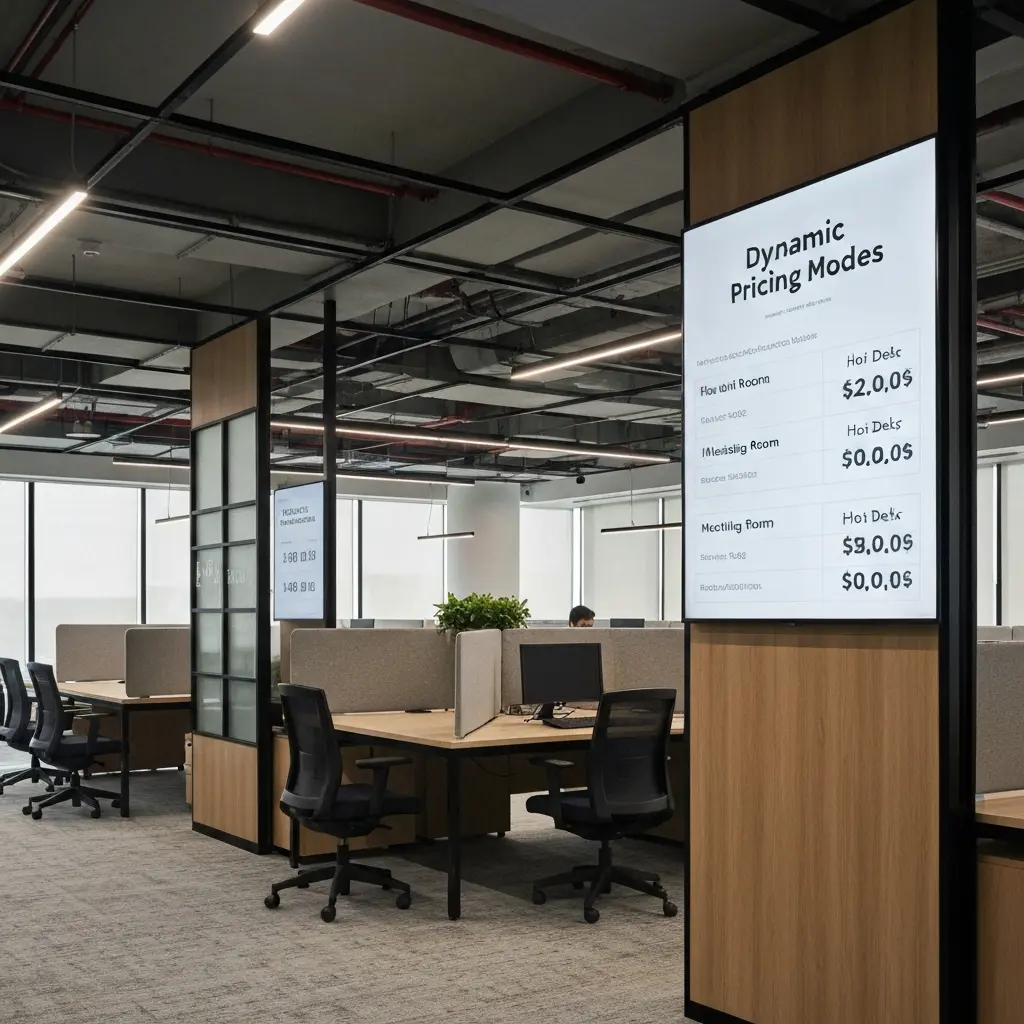
Dynamic pricing is a revenue management strategy where workspace operators adjust membership and service fees in real-time based on factors like occupancy, demand, time of day, and seasonal trends. In the context of 2026 workspaces, it involves algorithmic pricing for hot desks, meeting rooms, and private offices to maximise utilisation and profitability. This approach, inspired by airlines and hospitality, helps businesses access premium facilities at competitive rates, optimising their real estate expenditure. For featured snippets, it can be defined as: “Dynamic pricing in workspaces refers to the real-time adjustment of fees for space and services based on demand, enabling cost-effective access for businesses.”
The Market Shift: From Fixed Costs to Flexible Value
The global coworking market is projected to reach $33.26 billion in 2026, expanding at a CAGR of 9.89%, as hybrid work cements itself in corporate strategy. In India, this trend is mirrored by a move away from rigid leases towards flexible memberships, a shift accelerated by reports from JLL India highlighting increased corporate adoption. According to global data, 68% of enterprise organisations with 10,000+ employees now integrate flex space into their portfolios to mitigate long-term lease risk. For Indian SMEs, this means avoiding lengthy commitments in an uncertain economy, freeing up capital for innovation and expansion. Flexible workspaces allow businesses to scale up or down without the penalties associated with traditional leases, a crucial advantage during festive season downturns or economic fluctuations.
Crizone Pro Tip: Consider transitioning from a fixed office lease to a flexible membership at a business centre. This converts a significant fixed cost into a variable operational expense, improving cash flow management and allowing you to reinvest savings into core business activities.
Is Dynamic Pricing Right for Your Business?
Algorithmic occupancy optimisation and real-time dynamic pricing can increase total revenue per location by more than 50% compared to static models, as per industry analyses. For Indian businesses, this presents an opportunity to book resources like meeting rooms or hot desks at lower rates during off-peak hours. For instance, scheduling client meetings in the early morning to skip Chennai’s peak traffic and humid afternoons can lead to substantial cost savings. Dynamic pricing ensures you pay for actual usage, not fixed square footage, making it ideal for startups with fluctuating team sizes or freelancers who need professional space intermittently. This model also encourages efficient space utilisation, reducing wasted resources and aligning with cost-conscious business practices prevalent in India.
Ancillary Revenue: Unlocking Hidden Value for Growth
Ancillary revenue streams—including white-label business services, event space surge pricing, and equipment rentals—now account for up to 28% of total gross operating profit for urban flex hubs. In response to inflationary pressures, 40% of top-tier operators are transitioning to ‘Metered Utility Billing’ for private offices, separating energy and internet costs from base fees. This transparency aids Indian businesses in accurate budgeting, especially with complexities like GST compliance and TDS filings. By leveraging these ancillary services, companies can access premium amenities without upfront investments, such as using on-demand event spaces for product launches or availing business support services for regulatory paperwork.
| Cost Component | Traditional Office (Chennai, 500 sq ft) | Flexible Workspace (Crizone Membership) |
|---|---|---|
| Monthly Rent | ₹1.2 Lakhs + Maintenance | From ₹25,000 for Dedicated Desk |
| Utilities | ₹15,000 (AC, Electricity) | Often Inclusive or Metered |
| Internet | ₹5,000 | High-Speed Inclusive |
| Compliance | GST, TDS Separate | Simplified Billing |
| Total Monthly | ~₹1.4 Lakhs | ~₹30,000 - ₹50,000 |
Table: Cost comparison between traditional office and flexible workspace in Chennai, highlighting savings with dynamic pricing models. Figures are indicative and may vary based on location and amenities.
Quality Over Cost: The Indian Business Priority
Globally, Grade A facilities now command a 61.3% market share, reflecting a ‘flight-to-quality’ where tenants prioritise premium infrastructure over low-cost alternatives. In Chennai, this trend is evident as professionals rank high-end collaborative infrastructure—like podcasting suites and town-hall areas—higher than private square footage when renewing memberships. Suburban coworking demand has surged by 25% year-on-year, driven by employees seeking professional environments closer to home to reduce commute friction on routes like OMR. Additionally, industry-specific ‘verticalised’ coworking, such as MedTech labs or creative studios, has grown into a $1.43 billion global sub-sector, commanding 20-40% higher premiums. For niche Indian businesses, these spaces offer tailored environments that foster innovation and networking, enhancing competitive advantage in sectors like tech or design.
The 2026 Outlook for Indian Workspaces
Entering 2026, the Indian workspace market will see dynamic pricing become mainstream in metro cities like Chennai, with operators leveraging AI for real-time adjustments based on demand patterns. Suburban coworking will expand, supported by improved Metro connectivity and growing demand for local professional hubs that bypass urban congestion. To combat high financing costs, asset-light management agreements will rise, where landlords share in revenue upside while operators provide brand and tech stack, reducing entry barriers. Ancillary services will diversify, including white-label business support for regulatory compliance, helping SMEs navigate Indian business realities. Expect a greater emphasis on sustainable, energy-efficient designs to address humid weather considerations for AC usage, aligning with both cost savings and environmental goals.
Key Takeaways
- Evaluate Flexible Memberships: Replace fixed leases with flexible workspace options to convert capital expenditure into operational expense, enhancing financial agility and risk management.
- Leverage Dynamic Pricing: Book meeting rooms and desks during off-peak hours to reduce costs, especially in high-demand urban areas like Chennai’s business districts.
- Prioritise Premium Infrastructure: Choose spaces with high-end collaborative amenities to boost team productivity, attract talent, and support hybrid work models effectively.
- Explore Verticalised Hubs: If operating in a niche sector like healthcare or creative arts, consider industry-specific coworking spaces for tailored resources and community networking.
- Monitor Ancillary Services: Utilise bundled offerings like event spaces or business support services to maximise value without additional investments, streamlining operations.
Conclusion
The evolution towards Yield Management 2.0, with dynamic pricing at its core, offers Indian businesses a strategic advantage in managing real estate costs and accessing premium workspaces. By embracing flexible models, SMEs can scale efficiently, adapt to market changes, and focus on core growth objectives. Crizone Business Centre in Chennai embodies this future-ready approach, providing a calmly efficient environment with dynamic solutions tailored to your business needs. Visit us to experience how our workspace can be your growth partner in 2026 and beyond, helping you navigate the complexities of modern business with ease.
Continue your workspace search
Explore the most relevant Crizone pages next
If this article is part of your Chennai workspace research, these pages help you move from reading into comparing live plans, locations, and fit.
Explore coworking plans in Chennai
Compare day passes, dedicated desks, private offices, meeting rooms, and virtual office options from one commercial hub page.
Book a day pass in Chennai
Best fit if you need occasional workspace access, a short productive break from home, or a flexible desk for a single day.
Compare dedicated desk options
A stronger fit for regular monthly use when you want a fixed seat, better routine, and predictable workspace costs.