· Business Growth & Workspace · 6 min read
Why Mid-Term Coliving in Secondary Cities is the 2026 Growth Market
In 2026, the rise of ‘slow-mads’ is reshaping the coliving market, driving demand for premium, month-long stays in high-growth secondary city hubs over saturated capitals.
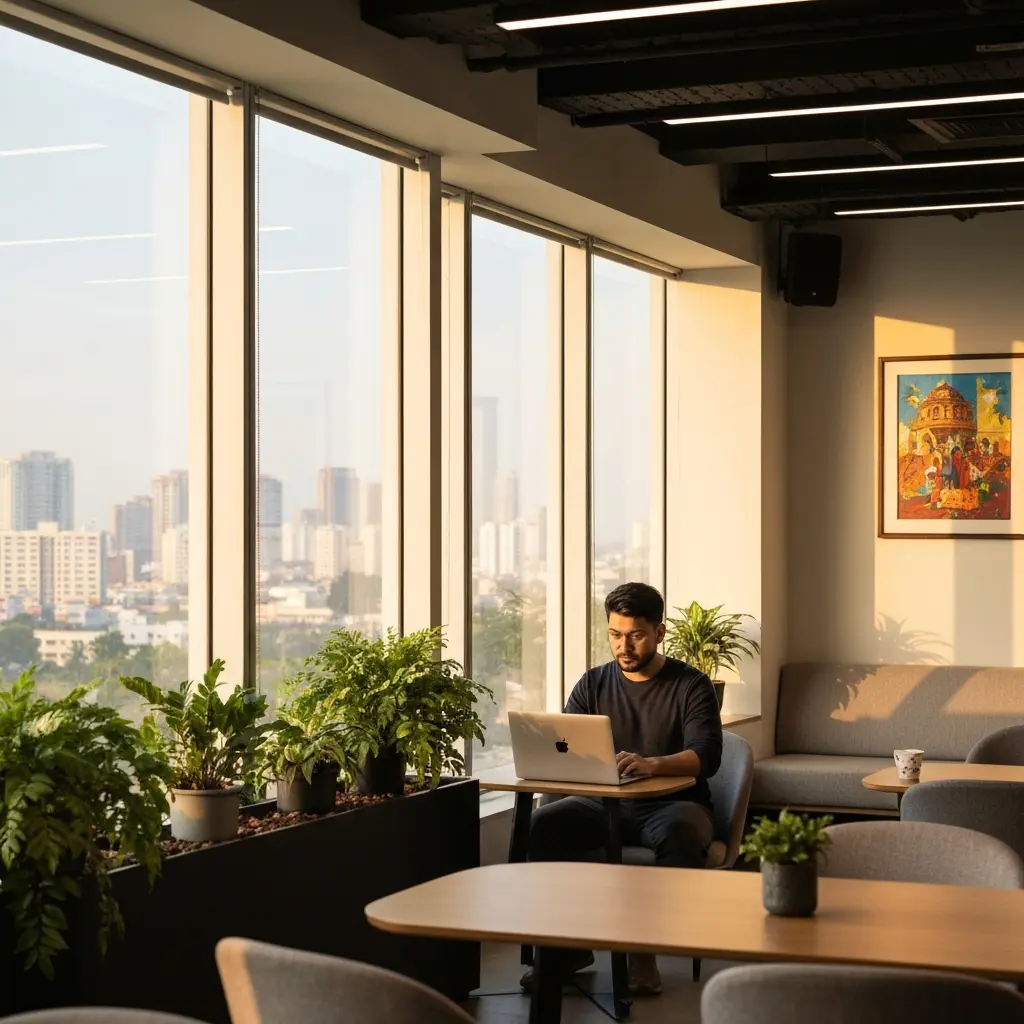
TL;DR: The 2026 ‘slow-mad’ migration sees professionals choosing 1-3 month stays in secondary cities for better lifestyle and productivity. This pivot drives a premium mid-term coliving market focused on work-ready amenities and community, offering growth opportunities for India’s emerging business hubs.
For business owners and operators in India’s real estate and hospitality sectors, the landscape is shifting. The traditional demand concentrated in metros is dispersing. A mature, professional remote workforce is now actively seeking destinations that offer a better balance of cost, connectivity, and quality of life. This isn’t about transient tourism; it’s a strategic relocation of skilled talent and spending power. The emergence of the ‘slow-mad’ – the digital professional opting for longer, more settled engagements with a location – is creating a significant, underserved market in India’s high-potential secondary cities.
What is Mid-Term Coliving?
Mid-term coliving is a premium, professionally-oriented housing model designed for stays of one to three months. It merges private, work-optimised living spaces (like single-occupancy studios) with shared amenities such as high-speed internet, co-working areas, and community events. Unlike short-term rentals or backpacker hostels, it specifically caters to the ‘slow-mad’ demographic: remote workers, entrepreneurs, and corporate ‘workation’ programmes seeking stability, productivity, and local integration without the long-term commitment of a lease.
The Professionalisation of the Remote Workforce
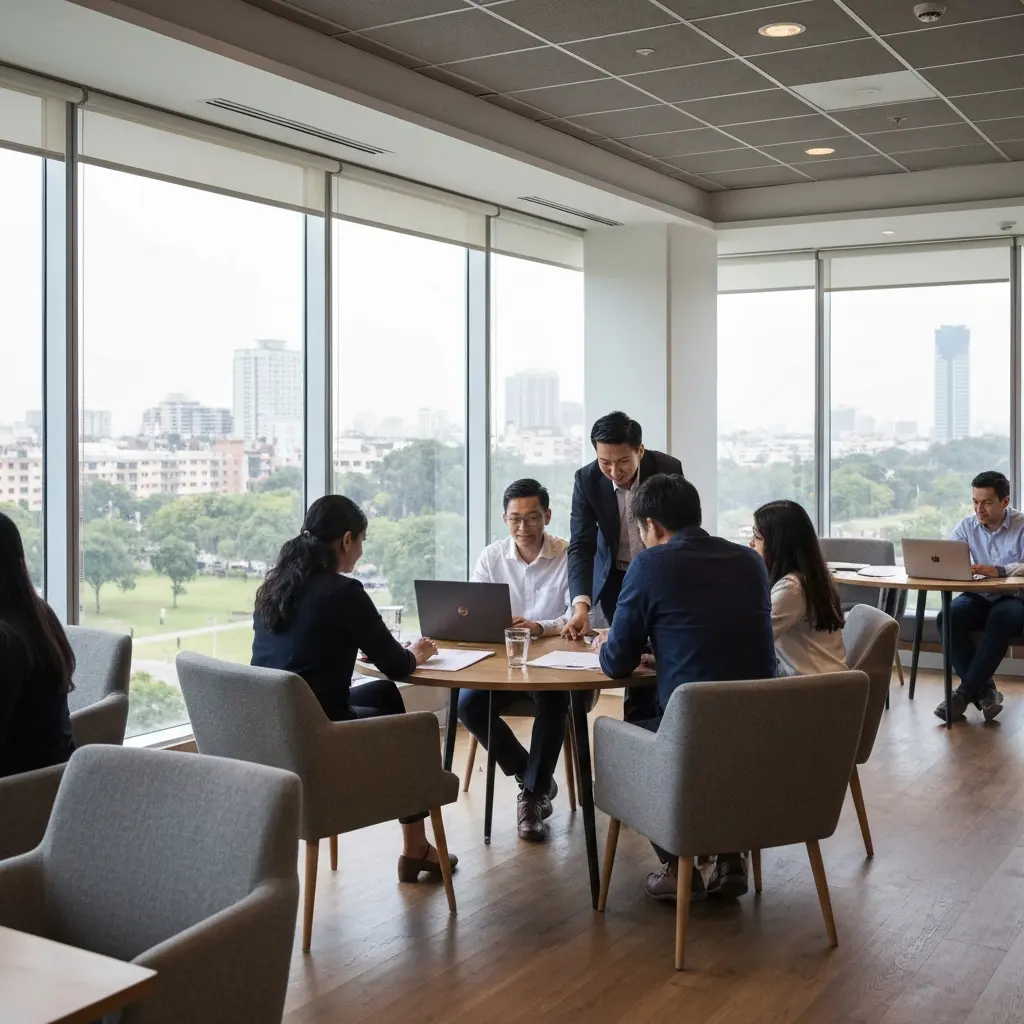
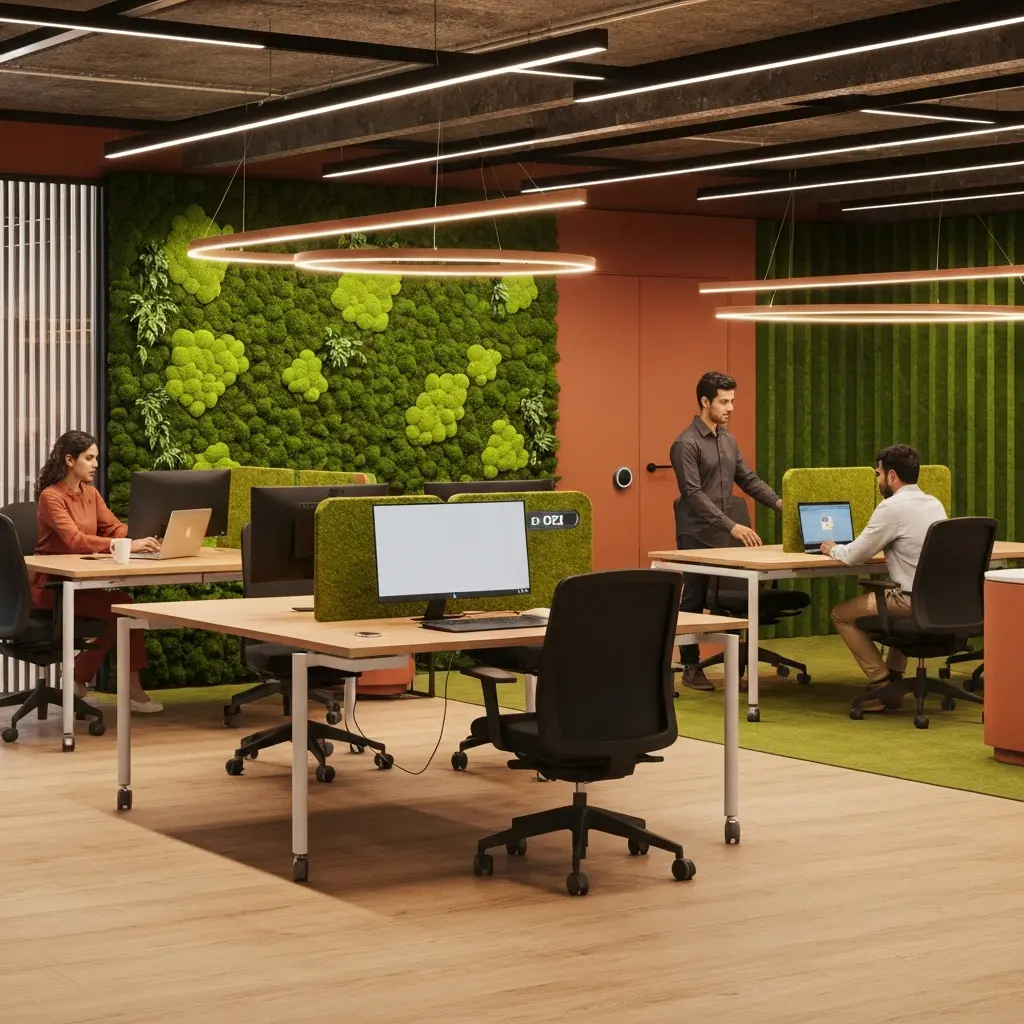
The 2026 digital nomad is not a stereotype. With an average age of 36 and nearly half aged 30-39, this demographic is career-focused. Their primary need is a reliable, high-performance environment to conduct business. This professionalisation directly fuels the demand for premium mid-term coliving setups. The ‘backpacker’ aesthetic is replaced by requirements for dedicated work desks, enterprise-grade Wi-Fi, soundproofing, and video-conference-ready spaces. For Indian secondary cities like Coimbatore, Indore, or Vizag, this presents a clear opportunity: develop coliving spaces that rival the functional efficiency of a corporate office. Catering to this demand attracts a stable, high-spending resident who contributes to the local economy far beyond a typical tourist.
Business Growth Tip: When designing for this market, prioritise ergonomic furniture and reliable, redundant internet connections over purely leisure-focused amenities. A professional’s positive review of your workspace reliability is your most powerful marketing.
The Strategic Pivot to Secondary City Hubs
Early 2026 global data is unambiguous: growth is exploding in secondary hubs. While this data cites international examples, the pattern is directly applicable to India. Professionals are bypassing congested, expensive metros like Mumbai and Delhi for cities offering a superior lifestyle-cost ratio, cleaner environments, and emerging ecosystems. An Indian professional might choose a month in Chandigarh for its planned infrastructure, or in Goa during the off-season for focused work. These cities offer the cultural richness and connectivity of a metro without the overwhelming friction. For operators, secondary cities often provide more favourable real estate costs and supportive local governments eager for economic diversification, making the business case compelling.
| Cost & Experience Factor | Traditional Metro Short-Term Stay | Mid-Term Coliving in a Secondary Hub |
|---|---|---|
| Monthly Accommodation | ₹ 80,000 - ₹ 1,50,000+ (Premium Hotel/Fractional Lease) | ₹ 45,000 - ₹ 85,000 (Fully-furnished, all-inclusive) |
| Workspace | Extra cost for co-working membership (₹ 8,000 - ₹ 15,000) | Integrated, high-quality co-working space included |
| Community & Networking | Ad-hoc, difficult to establish | Built-in, curated professional community |
| Operational Hassle | High (multiple bills, separate contracts) | Low (single invoice, managed amenities) |
Building for Human Sustainability and Revenue
The 1-3 month stay duration is now the standard because it addresses the core challenges of remote work: burnout and loneliness. Mid-term coliving provides enough stability to build routines, connect meaningfully with a local community, and truly unwind, turning a workation into a rejuvenating reset. This focus on human sustainability aligns perfectly with the dominant revenue model: single-occupancy units, which command nearly 50% of the market share. Professionals value private space for deep work and respite, while still having access to social areas. This hybrid model – private sanctuary, public community – is the operational blueprint for success in 2026. It allows for premium pricing while ensuring resident well-being and retention.
[Image of a Venn Diagram illustrating the intersection of Private Space, Community, and Professional Amenities in a successful mid-term coliving model.]
Is Your City Ready for the Slow-Mad Influx?
Capitalising on this trend requires more than just a building. It demands an ecosystem. The record expansion of remote work visas globally, like Thailand’s 5-year DTV, sets a benchmark. While India explores its own visa policies, internal promotion is key. Success hinges on reliable digital infrastructure, convenient transport links (like proximity to airports with good metro connectivity), and a vibrant local scene of cafes, wellness centres, and cultural events. Operators should form partnerships with local businesses, from gyms to coffee roasters, to create integrated ‘live-work-play’ packages. Furthermore, the industry’s shift to asset-light models (75% use management agreements) means local real estate owners can partner with experienced operators to launch competitive offerings without bearing full operational risk.
Manager Insight: “The future operator is a community curator and local experience integrator, not just a landlord. Your value is in seamlessly connecting residents to the city’s hidden gems and professional networks.”
The 2026 Outlook for India
The coming year will see this global trend accelerate in India. We predict the rise of branded, premium mid-term coliving chains specifically targeting corridors like Pune-Nashik, Hyderabad-Vizag, and Bengaluru-Coimbatore. Corporate ‘workation’ programs will formalise, moving from one-off perks to structured, quarterly retreats offered in partnership with these coliving providers. Environmentally, the ‘slow travel’ ethic will resonate, with operators highlighting ESG metrics showing a 40% lower carbon footprint compared to frequent travel. Governments of progressive states may introduce incentives to attract this high-earning demographic, viewing them as valuable contributors to local economies beyond traditional tourism.
Key Takeaways
- The target resident is a 30+ professional seeking a 1-3 month productive stay, not a budget backpacker.
- Single-occupancy units with premium workspaces are the core revenue driver, not shared dormitories.
- Secondary cities offer the optimal growth market due to lower costs and higher quality-of-life appeal.
- Success requires building community infrastructure, not just real estate; partnerships with local businesses are essential.
- The asset-light operational model (management agreements) is the norm, lowering barriers to entry for local developers.
Conclusion
The ‘slow-mad’ migration represents a fundamental rethinking of how and where we live and work. For India’s business landscape, it disperses economic opportunity, revitalising secondary cities with an influx of talent and capital. It challenges operators to be architects of experience, not just space. For the Indian professional, it offers a blueprint for a more sustainable, integrated, and productive way to blend ambition with well-being. The cities and businesses that recognise this shift and build the intentional, high-quality ecosystems these professionals seek will define the next wave of growth.
Considering how a professional-grade, community-focused environment can benefit your next strategic workation or team offsite? Explore how a dedicated space can serve as your growth partner in Chennai’s evolving landscape.
Continue your workspace search
Explore the most relevant Crizone pages next
If this article is part of your Chennai workspace research, these pages help you move from reading into comparing live plans, locations, and fit.
Explore coworking plans in Chennai
Compare day passes, dedicated desks, private offices, meeting rooms, and virtual office options from one commercial hub page.
Book a day pass in Chennai
Best fit if you need occasional workspace access, a short productive break from home, or a flexible desk for a single day.
Compare dedicated desk options
A stronger fit for regular monthly use when you want a fixed seat, better routine, and predictable workspace costs.