· Business Growth & Workspace · 6 min read
2026 RTO Mandates Drive Indian Firms to Flexible Workspace Growth
Forced RTO mandates in 2026 are shifting corporate real estate strategy in India. Learn why hybrid work trends are driving flexible workspace growth for smarter, cost-effective expansion.
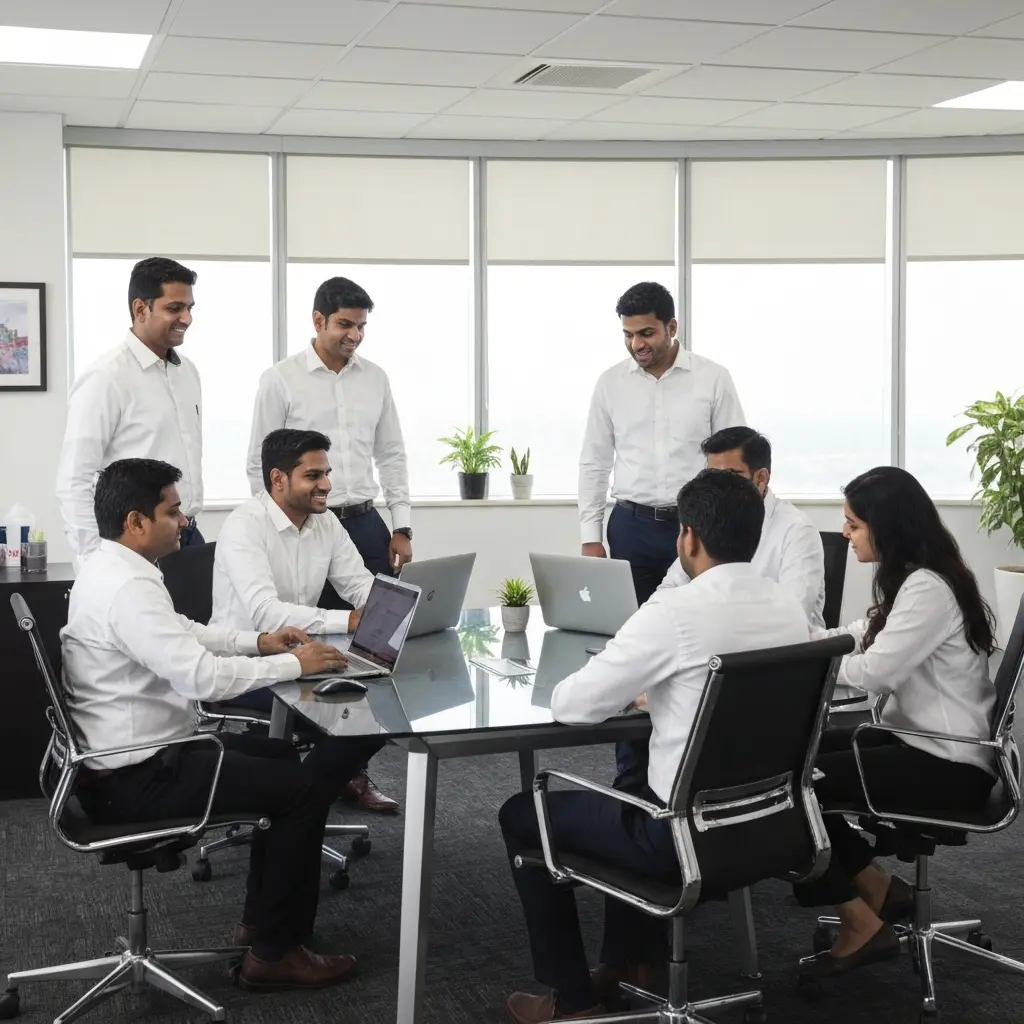
TL;DR: Strict corporate RTO mandates are here, but employees still demand flexibility. This paradox is fuelling massive growth in professional flex workspace inventory. For Indian businesses, this shift offers a strategic advantage: complying with attendance policies while slashing capital expenditure and retaining top talent through agility.
Balancing employee demand for flexibility with the undeniable benefits of in-person collaboration is the central challenge for Indian businesses today. Leaders face rising real estate costs in Chennai’s prime locations like OMR and the CBD, crippling traffic congestion, and intense competition for skilled talent. The traditional 10-year office lease, with its rigid capex, feels increasingly like an anchor in turbulent waters. This tension is creating a powerful new dynamic, leading to unprecedented 2026 RTO mandates. Businesses are not just returning to the office; they are fundamentally recalibrating their physical footprint strategy to drive growth.
What Are 2026 RTO Mandates?
2026 RTO mandates refer to the strict, company-enforced policies requiring employees to return to a physical workplace for a significant portion of the workweek, typically three to four days. This trend is driven by a corporate push for culture-building, collaboration, and asset utilization. Crucially, these mandates have created a paradox: while attendance is enforced, the demand for flexible, professional-grade workspaces has surged as companies seek alternatives to expensive, long-term leases to meet these new requirements efficiently.
Why Enforced Hybrid is Reshaping Indian Corporate Real Estate
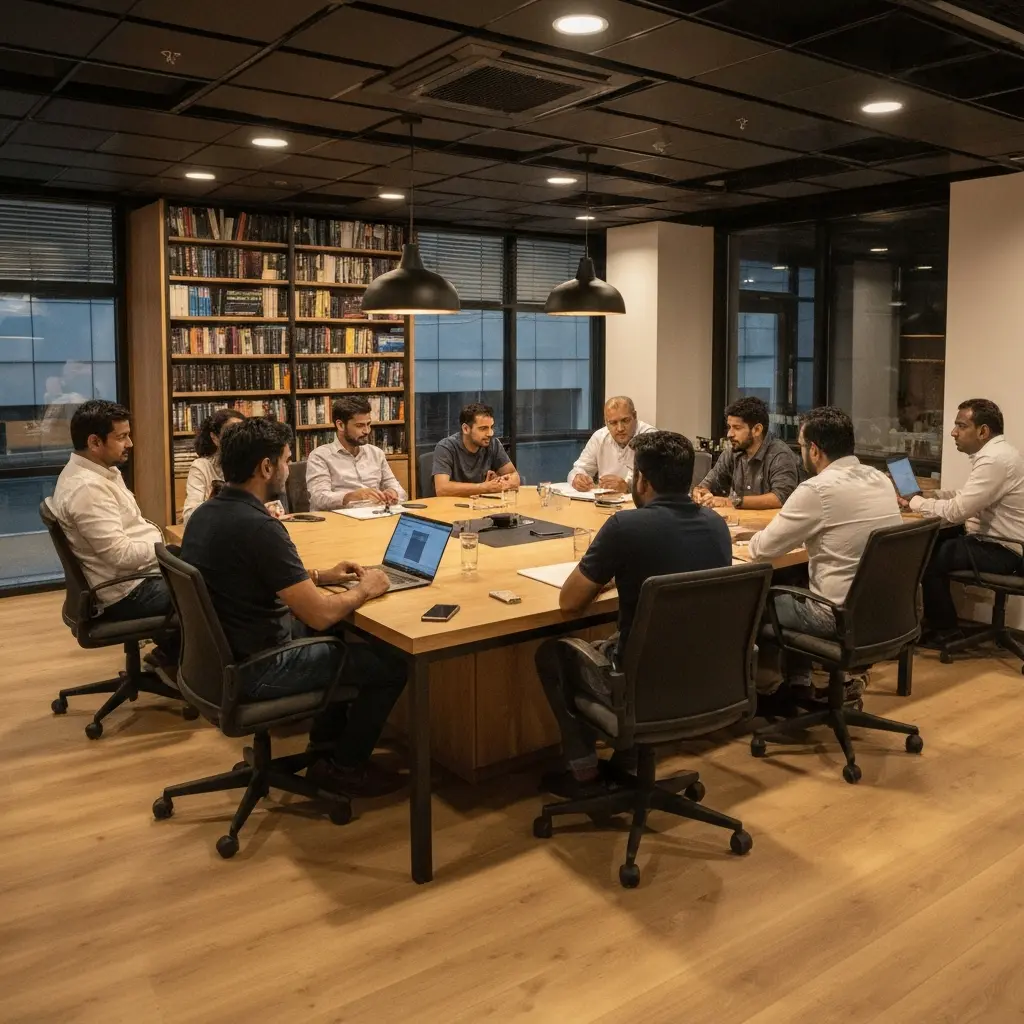
As seen globally with firms like Pfizer and JPMorgan Chase, major enterprises are now primary drivers of flex growth, utilizing shared satellite spaces. In the Indian context, this translates to a significant opportunity for SMEs and corporates with branch offices. Instead of committing to a costly 5,000 sq. ft. lease in Guindy for a team of 50 that only needs to be together 3 days a week, a company can opt for a premium flex space.
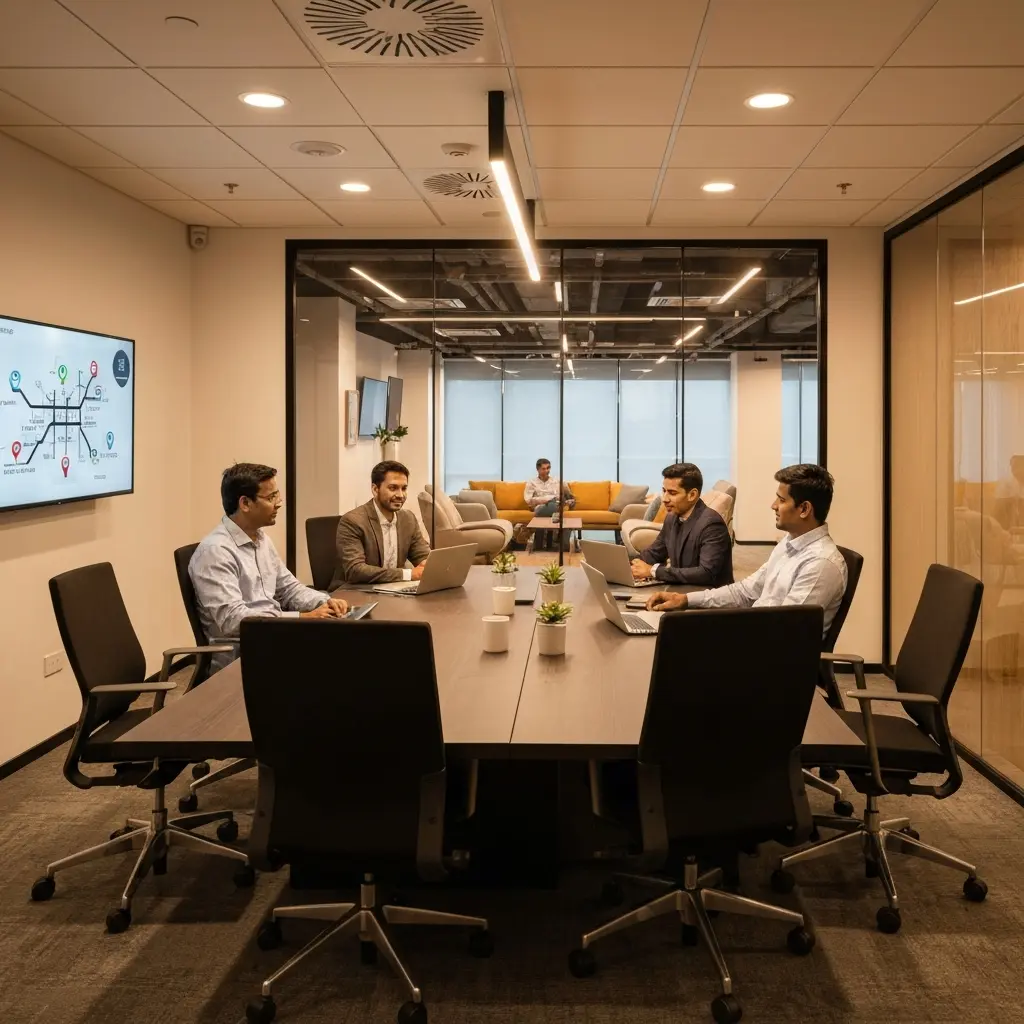
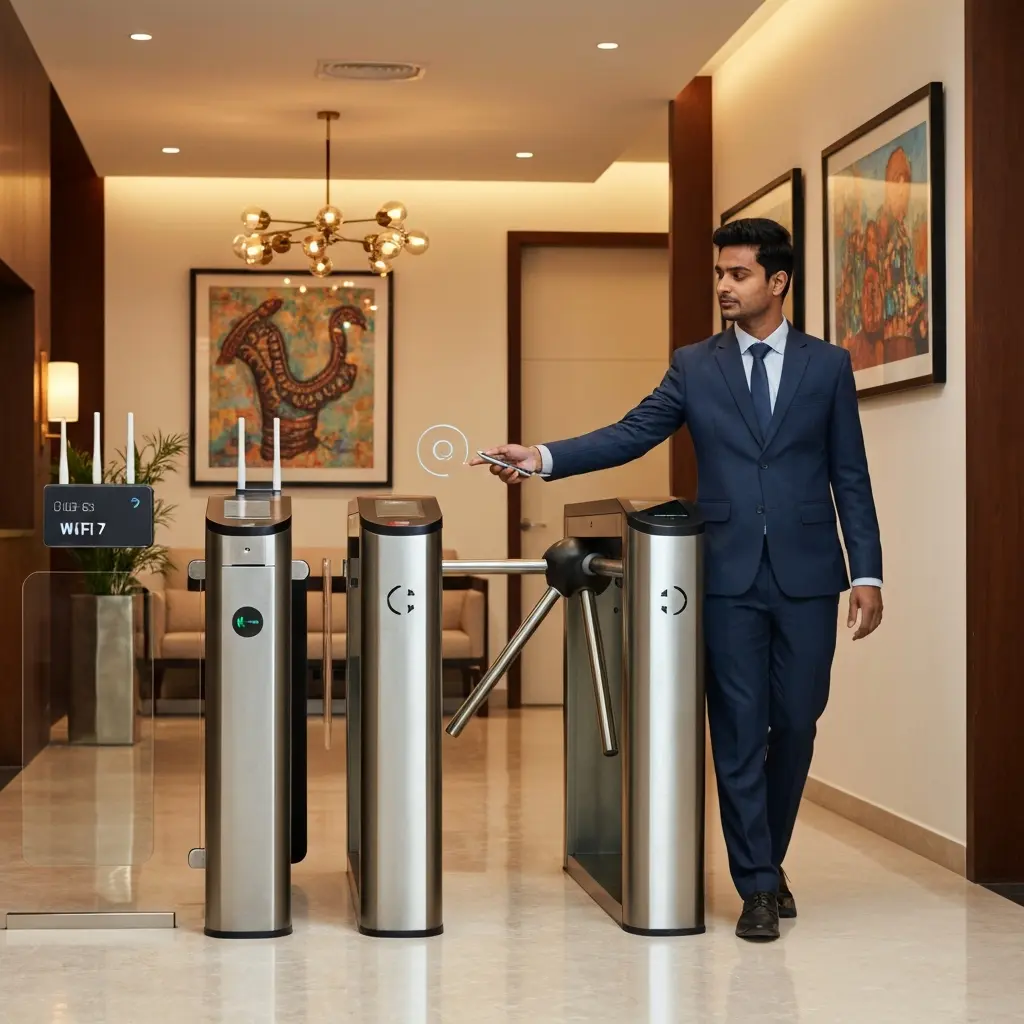
This model provides the professional infrastructure needed—GST-compliant billing, high-speed internet, meeting rooms for client pitches—without the burden of fit-out costs, long-term liability, or managing utilities in Chennai’s humid climate. It turns a fixed capital cost into a variable operational one, freeing up crucial cash flow for core business investment.
Crizone Pro Tip: For a Chennai-based sales team requiring a professional address and meeting rooms only on weekdays, a dedicated desk membership provides the necessary presence at a fraction of the cost of a full office lease, including savings on maintenance staff and AC bills.
| Cost Factor | Traditional Chennai Office Lease (5,000 sq. ft.) | Flexible Workspace Solution (50 Dedicated Desks) |
|---|---|---|
| Average Monthly Cost | ₹ 8-12 Lakhs (Rent + OPEX) | ₹ 3-5 Lakhs (All-Inclusive) |
| Lease Commitment | 3-5 Years | Month-to-Month or Annual |
| Upfront Capital (Fit-out, Deposit) | ₹ 50 Lakhs - ₹ 1 Crore+ | Minimal to None |
| Management Overhead | High (Facility Manager, AMC) | Zero (Managed by Operator) |
Is Your Talent Strategy Compatible with Rigid RTO?
Globally, high-performing employees are 16% more likely to leave an organization when faced with rigid RTO mandates compared to those offered flexible alternatives. In India’s competitive talent market, this statistic is a clear warning. A strict 5-day mandate from a Gurugram headquarter can lead to attrition in your Chennai branch, especially if the commute involves navigating OMR traffic daily.
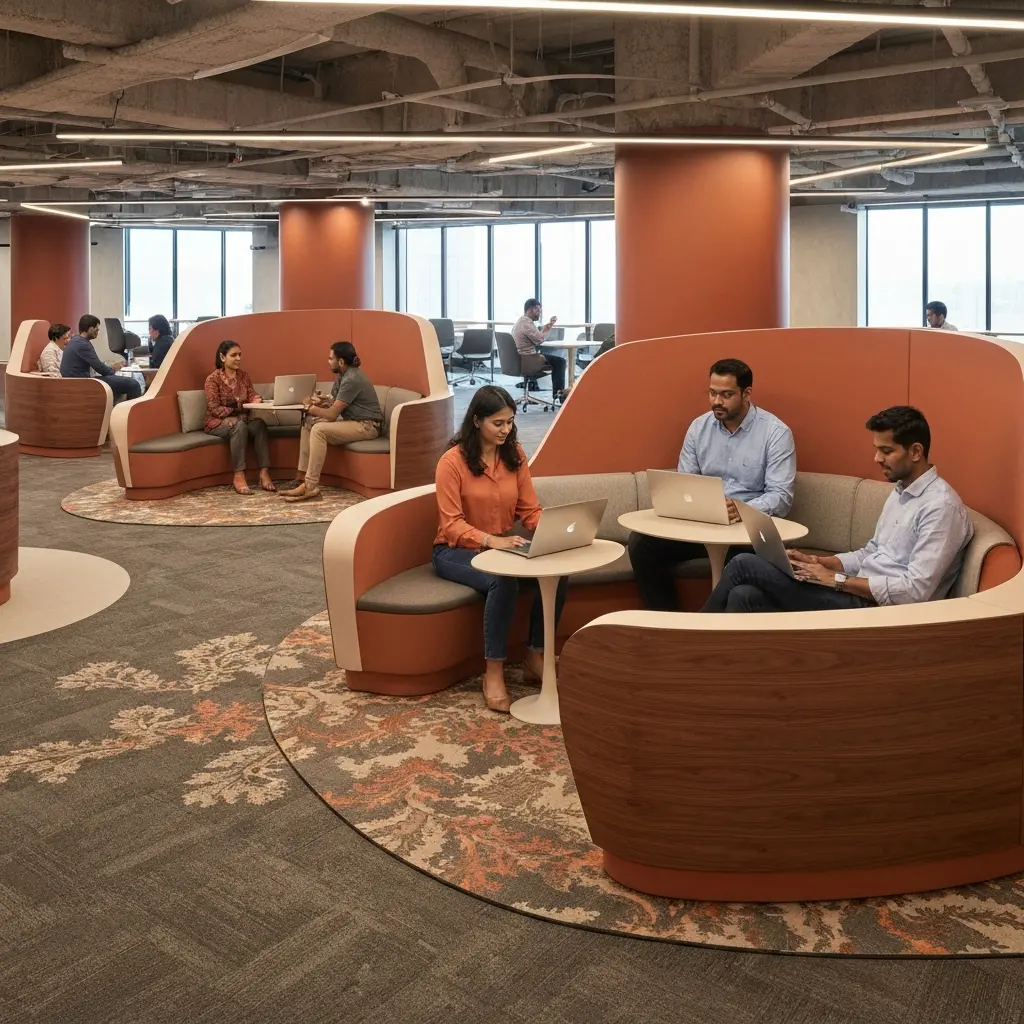
The solution isn’t to abandon the office but to redefine it. The modern workspace is no longer a 1:1 desk-to-employee setup. With only 40% of companies maintaining assigned seating, the focus is on activity-based working. A flex space like Crizone offers a mix of collaborative zones, focus booths, and lounge areas that employees can use based on their task. This addresses the ‘why’ of coming to the office—for teamwork and spontaneous interaction—without the resentment of a mandated daily presence at a fixed, under-utilized desk.
The Financial Logic: Capex to Opex in a Volatile Market
For an Indian SME founder, the financial argument for flexible workspace growth is compelling. According to JLL India’s 2025 market reports, while demand is concentrating on premium ‘Grade A’ assets, secondary office stock faces severe vacancy. This bifurcation means corporates are chasing quality space, but flex operators can provide access to that premium inventory without the long-term risk.
Shifting from a capital expenditure (capex) model for real estate to an operational expenditure (opex) model provides unparalleled agility. You can scale your team up during a festive season product launch and scale down post-season, without being locked into empty, paid-for space. This flexibility is a direct competitive advantage, allowing faster response to market opportunities than competitors burdened by heavy leases.
Manager Insight: “Our quarterly TDS and compliance filings are streamlined with a single, professional invoice from our flex space provider. It eliminates the headache of managing multiple utility bills and vendor payments, letting our admin focus on core finance.”
The 2026 Outlook for Indian Workspaces
The Indian workspace market in 2026 will be defined by ‘enforced hybrid’ compliance. We predict a continued surge in demand for premium, managed flex inventory in key micro-markets like Chennai’s OMR, near metro connectivity. While overall office vacancy may decline, the share occupied by flexible workspace providers within those buildings will rise significantly.
Corporate flex strategy will evolve from a peripheral convenience to a core real estate tactic for Indian branches and project teams. Businesses will no longer ask ‘if’ to use flex space, but ‘how strategically’ to deploy it across their geographical footprint to optimize cost, talent retention, and operational resilience.
Key Takeaways for Your Business
- View real estate as a strategic tool, not just a cost centre. Flexible spaces enable agility.
- Prioritise talent retention by offering a quality, hybrid-enabled workplace that respects employees’ time (e.g., reducing commute stress).
- Convert fixed capital expenditure into variable operational expenditure to improve cash flow and balance sheet health.
- Leverage premium infrastructure without the burden of management, from high-grade video conferencing to stocked pantries.
- Start with a pilot. Test a flex space solution for a specific team or project before making a large-scale shift.
Conclusion
The global trend is clear: 2026 RTO mandates are accelerating the corporate adoption of flexible workspaces. For the forward-thinking Indian entrepreneur or branch manager, this is not a challenge to resist but an opportunity to embrace. It allows for compliance with corporate policies while gaining financial flexibility, talent advantages, and operational simplicity. This strategic shift turns the workspace from a static liability into a dynamic engine for growth.
Explore how a Crizone Business Centre membership in Chennai can be your growth partner, providing the premium, flexible infrastructure your team needs to thrive in this new era of work, all while you focus on scaling your business.
Continue your workspace search
Explore the most relevant Crizone pages next
If this article is part of your Chennai workspace research, these pages help you move from reading into comparing live plans, locations, and fit.
Explore coworking plans in Chennai
Compare day passes, dedicated desks, private offices, meeting rooms, and virtual office options from one commercial hub page.
Book a day pass in Chennai
Best fit if you need occasional workspace access, a short productive break from home, or a flexible desk for a single day.
Compare dedicated desk options
A stronger fit for regular monthly use when you want a fixed seat, better routine, and predictable workspace costs.