· Business Growth & Workspace · 6 min read
Coworking Management Software 2026: Why Integration is #1 Priority
In 2026, the key to workspace performance is interoperability. This blog explains why ease of integration is the top software priority and how a unified ecosystem boosts productivity and growth for Indian businesses.
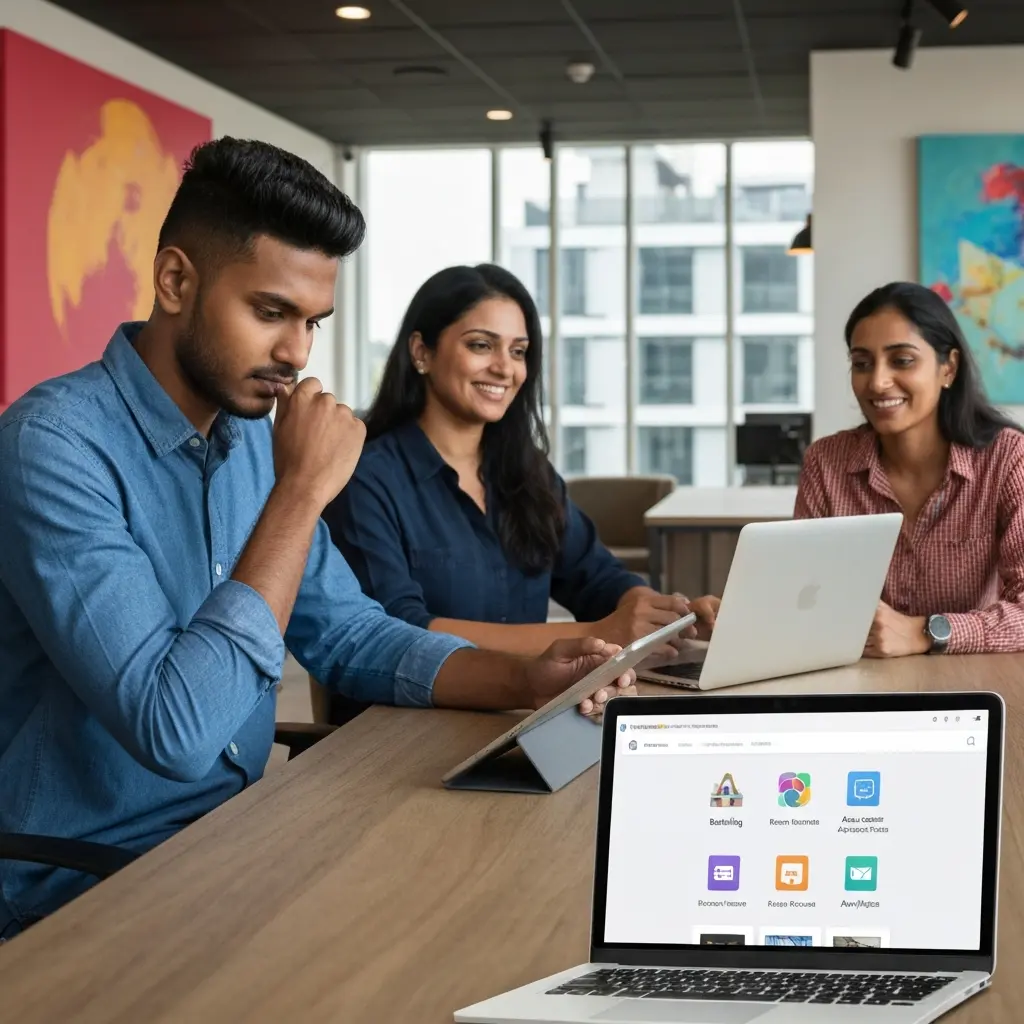
TL;DR: In 2026, workspace performance will surpass simple attendance. For Indian businesses, the top priority in coworking management software 2026 is ‘ease of interoperability.’ A unified, API-first ecosystem that seamlessly connects apps, access, and IoT systems is essential to eliminate friction, reduce costs, and support scalable growth in a hybrid work era.
The New Workspace Performance Challenge for Indian Businesses
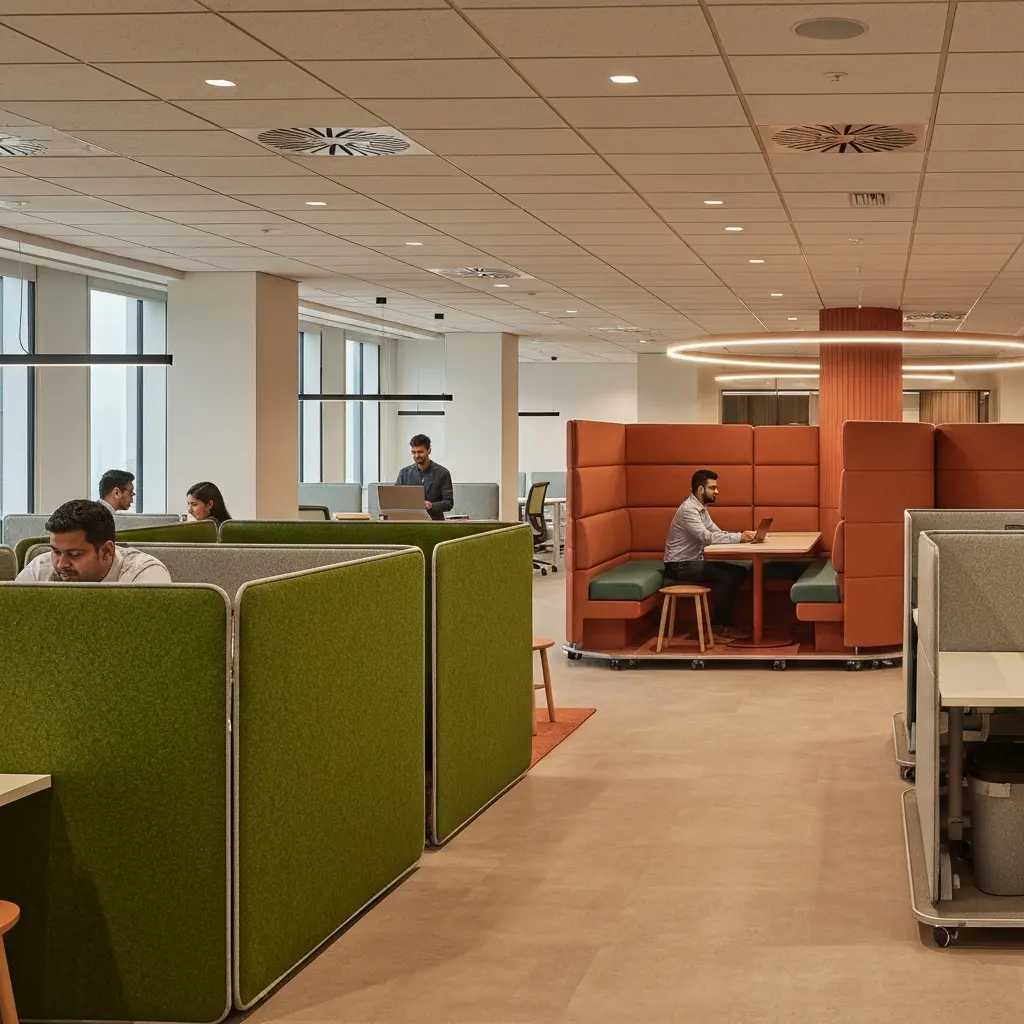
Managing a productive, cost-effective workspace in India involves navigating high real estate costs, traffic congestion, and the rising expectations of a hybrid workforce. The traditional long-term lease is a rigid, capital-intensive model that struggles to adapt. Today’s demand is for flexibility, but this often creates a new problem: operational chaos. Many operators and businesses use a patchwork of separate tools for booking, access, payments, and member management, leading to administrative overhead and a frustrating member experience. The strategic response, as highlighted in the 2026 AI & Digitalization in Facilities Management Report, is a shift from fragmented tools to integrated systems designed for performance, not just presence.
What is Coworking Management Software 2026?
Coworking management software 2026 refers to the next-generation, unified digital platforms that flexible workspace operators and their corporate clients use to manage all aspects of a smart office. Unlike basic booking tools, these are API-first ecosystems. They seamlessly integrate member-facing apps, IoT hardware (like sensors and smart locks), building management systems, and financial software into a single, intelligent dashboard. The core feature is ‘ease of interoperability,’ enabling different technologies to communicate effortlessly, automate operations, and deliver a cohesive, data-driven workplace experience.
From Booking Systems to Business Intelligence Hubs
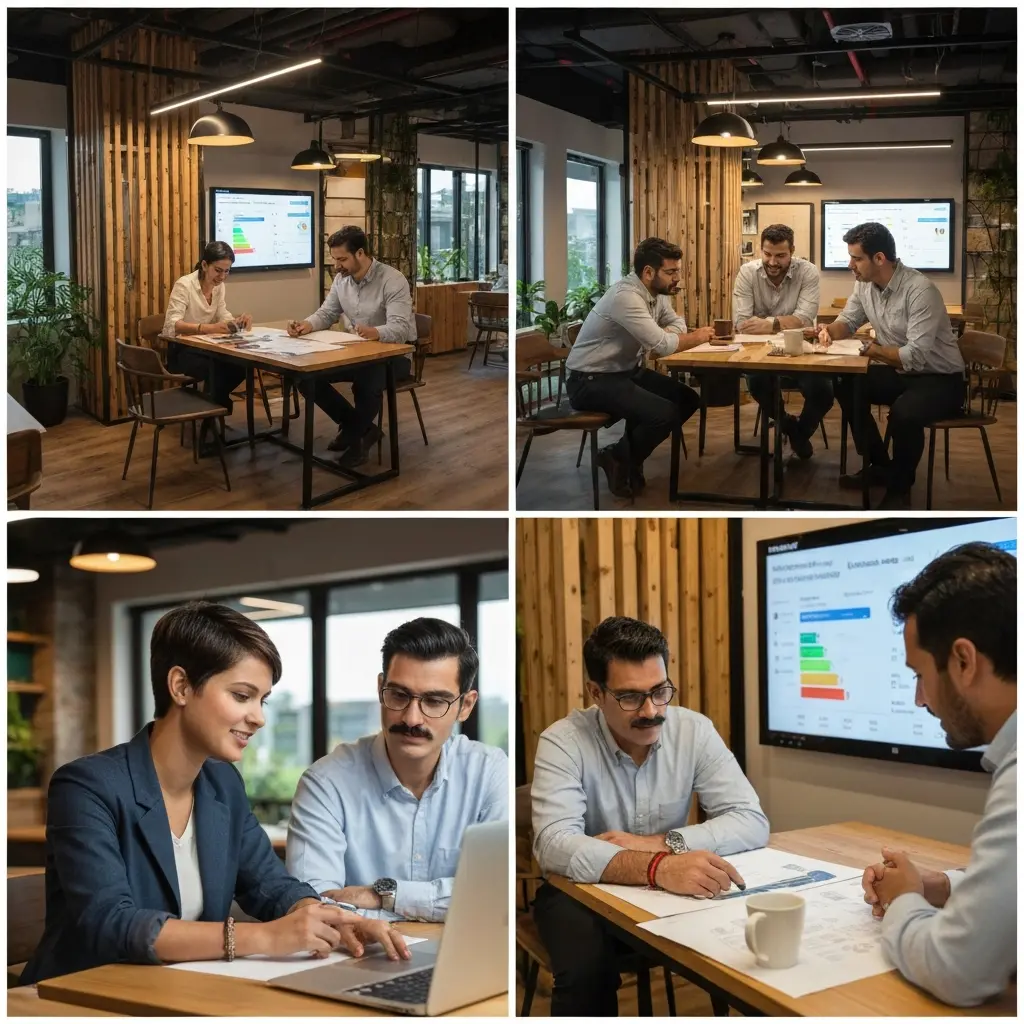
By 2026, 75% of organisations have moved beyond simple desk booking to advanced space management tools. The modern Indian SME does not just need to book a seat; it needs to understand how its team uses space to optimise spend and productivity. Integrated software collects real-time occupancy data from sensors, cross-references it with booking patterns, and generates actionable insights. A founder can see which meeting rooms are underutilised or which days see peak attendance, allowing for smarter space planning and cost allocation.
For a Chennai-based startup, this means knowing if the team needs more collaborative spaces on Wednesdays or if quiet pods are sufficient on Fridays. This data-driven approach transforms real estate from a fixed cost into a variable, optimisable resource. It directly supports growth by ensuring you pay only for what you use effectively, freeing capital for core business investment.
Crizone Pro Tip: When evaluating a workspace, ask about their management platform’s analytics dashboard. Can it show you real-time utilisation reports? This transparency is key to controlling your operational expenses and planning for team expansion.
The Seamless Experience: Mobile Access and Meeting Room Tech
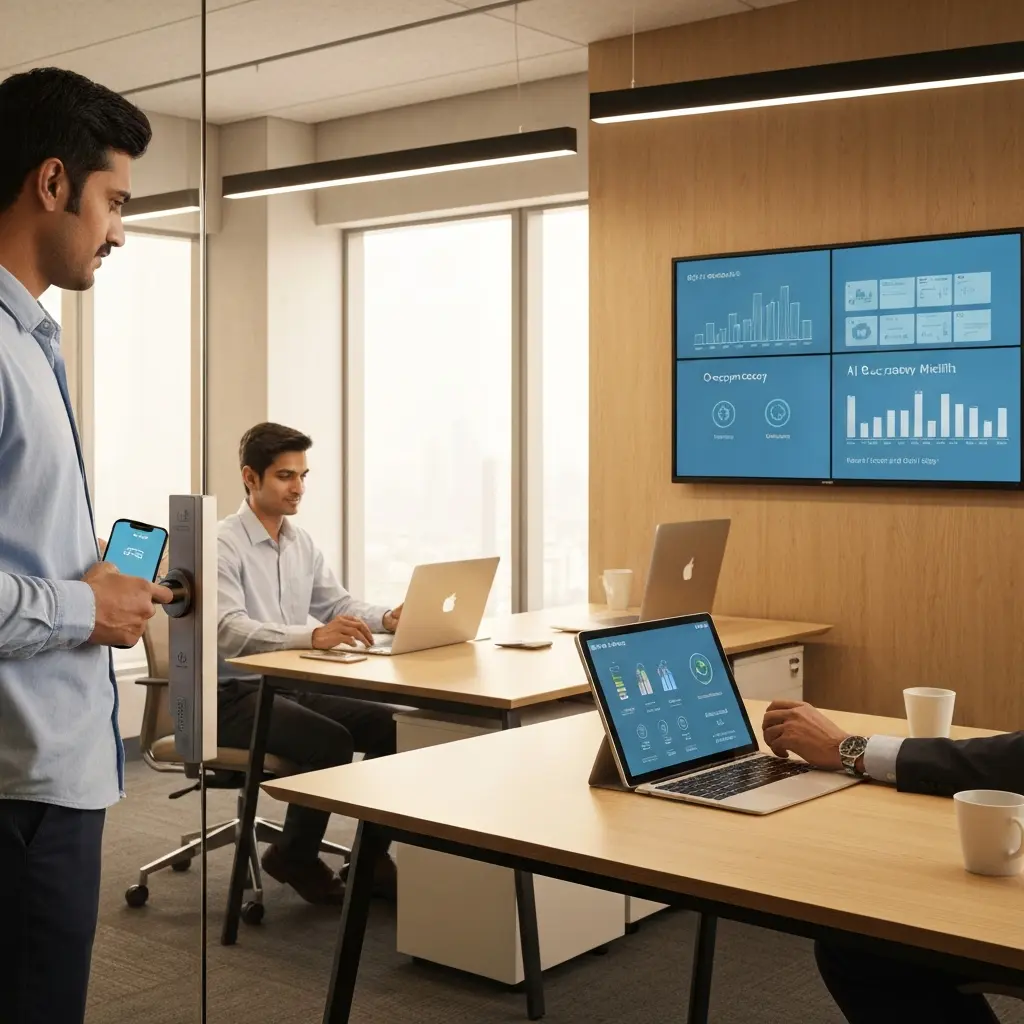
Friction in the office directly impacts productivity. Legacy systems like physical keycards are becoming “relics,” replaced by mobile-app credentials and Apple Wallet integration. This shift, demanded by 83.2% of clients seeking ‘Fluid Access,’ allows members seamless entry across different locations—a boon for businesses with teams in multiple cities. Similarly, ‘One-Touch’ wireless meeting room technology is documented to save an average of 10 minutes per session compared to cable-based systems.
Consider the cumulative impact: an Indian team holding four meetings a day saves 40 minutes of productive time previously lost to “connection friction.” Over a month, that’s over 13 hours regained. For a freelancer or corporate branch manager, this seamless integration—where a single app handles door access, room booking, and AV setup‒01iminates daily annoyances and projects a professional, tech-forward image to clients.
AI, Automation, and the Path to Operational ROI
Integration enables intelligent automation. In 2026, 65% of facility managers use AI within their software to automate maintenance and optimise energy use based on live occupancy. For an Indian workspace, this is crucial. AI can adjust HVAC and lighting in real-time, leading to significant savings on electricity bills—a major operational cost, especially in Chennai’s climate.
Furthermore, new ‘AI Agents’ (like the 2026-launched ‘Lem’) handle frontline member inquiries and bookings, reducing administrative labour by an estimated 20%. This allows the workspace staff to focus on high-value community building and member support instead of routine tasks. For the business owner using the space, it means faster response times and a consistently well-maintained environment without escalating service fees.
[Image of a workflow diagram showing how integrated software connects member apps, IoT sensors, AI agents, and BMS to automate tasks and provide a dashboard.]
Is Your Workspace Software Holding Your Business Back?
The data is clear: 33% of business leaders now identify ‘ease of integration’ as their top software priority. Using siloed tools creates hidden costs and friction. Compare the experience of a fragmented system versus a unified one:
| Fragmented System Pain Points | Unified API-First System Benefits |
|---|---|
| Multiple logins for booking, access, and payments. | Single sign-on via a member app for all services. |
| Manual data transfer between systems, risking errors. | Automated, real-time data sync across all modules. |
| Inability to leverage occupancy data for cost savings. | AI-driven insights to optimise space and energy use. |
| Poor member experience leading to low utilisation. | Frictionless experience boosting productivity and retention. |
For an Indian SME, the right integrated software is not an IT expense; it’s a growth enabler. It provides the operational agility to scale the team up or down, manage a hybrid schedule efficiently, and present a professional front—all while keeping overhead predictable. As noted in JLL India’s Future of Work reports, technology integration is a key differentiator for high-performance workplaces attracting top talent.
The 2026 Outlook for India’s Workspace Market
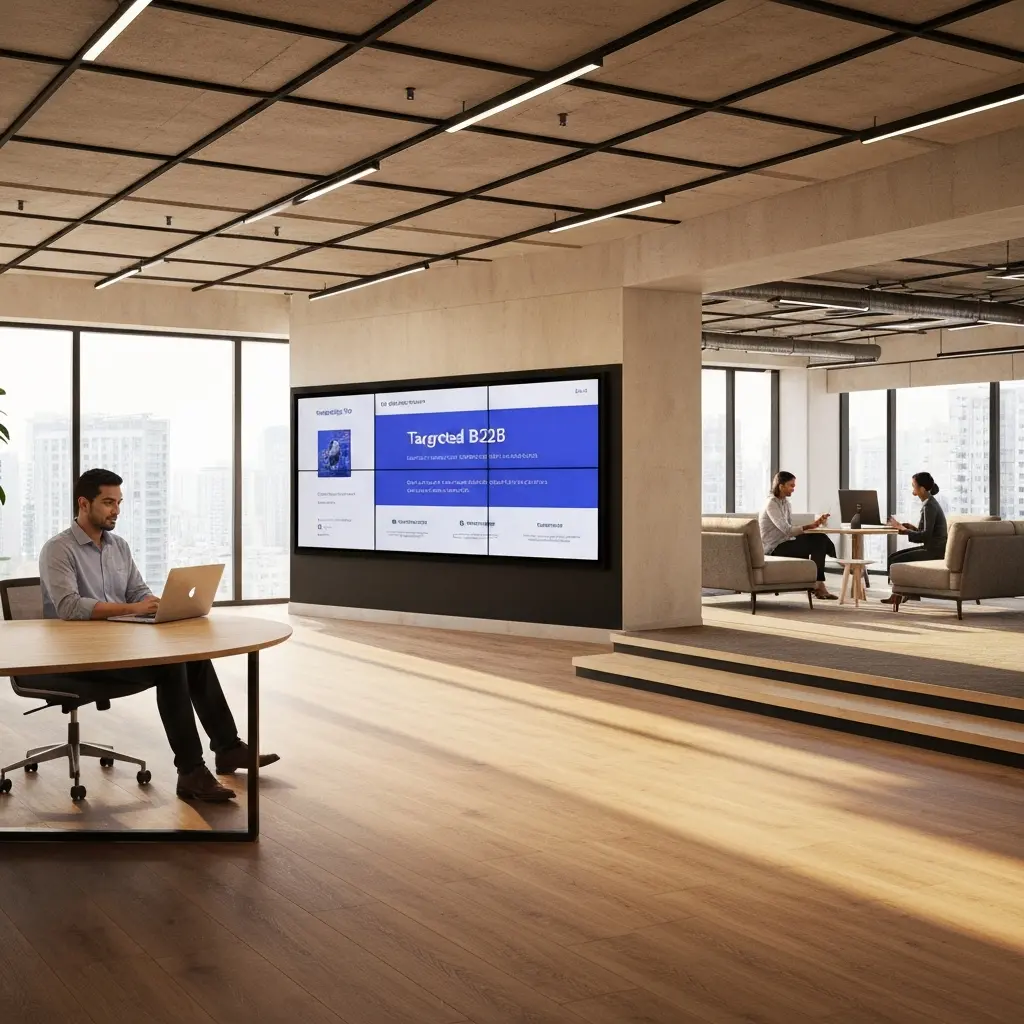
The Indian flexible workspace market will accelerate its tech adoption in 2026. With 95% of office employees stabilising at a 3-day in-office minimum, the demand for smart, integrated solutions will surge. We will see a rapid decline in offline management and a rise in ‘Workplace Experience’ platforms that serve as the digital spine of the office. Expect premium operators to compete on their tech stack’s sophistication, offering corporate clients seamless portability of memberships and data across their national portfolios via robust APIs. The workspace of 2026 will be a responsive, efficient, and data-intelligent partner to business growth.
Key Takeaways for Indian Business Leaders
- Prioritise ease of interoperability when choosing a workspace; a unified member app should manage access, bookings, and payments.
- Demand data transparency on space utilisation to ensure you are only paying for the capacity and services your business actively uses.
- Look for operators leveraging AI and IoT to automate environment controls, reducing shared operational costs passed on to members.
- Ensure the provider uses an API-first workspace software approach, future-proofing your access to new features and integration capabilities.
- View advanced mobile access control and wireless meeting tech as essential productivity tools, not mere amenities.
Conclusion: Choosing a Growth-Centric Workspace Partner
The mandate for 2026 is integration. A workspace that functions as a unified, intelligent ecosystem is no longer a luxury—it is a strategic tool for business efficiency and scalability. It eliminates the friction that slows down teams and embeds operational agility into your company’s foundation. For businesses in Chennai seeking this calm efficiency and growth-oriented environment, the choice is clear.
Explore how Crizone Business Centre’s integrated technology platform is designed to be your seamless partner in productivity, allowing you to focus wholly on driving your business forward.
Continue your workspace search
Explore the most relevant Crizone pages next
If this article is part of your Chennai workspace research, these pages help you move from reading into comparing live plans, locations, and fit.
Explore coworking plans in Chennai
Compare day passes, dedicated desks, private offices, meeting rooms, and virtual office options from one commercial hub page.
Book a day pass in Chennai
Best fit if you need occasional workspace access, a short productive break from home, or a flexible desk for a single day.
Compare dedicated desk options
A stronger fit for regular monthly use when you want a fixed seat, better routine, and predictable workspace costs.