· Business Growth & Workspace · 6 min read
Enterprise Flex Space 2026: The New Corporate Real Estate Strategy
By 2026, flexible workspace is a core corporate strategy. Learn how Indian enterprises use managed suites for cost savings, talent retention, and growth.
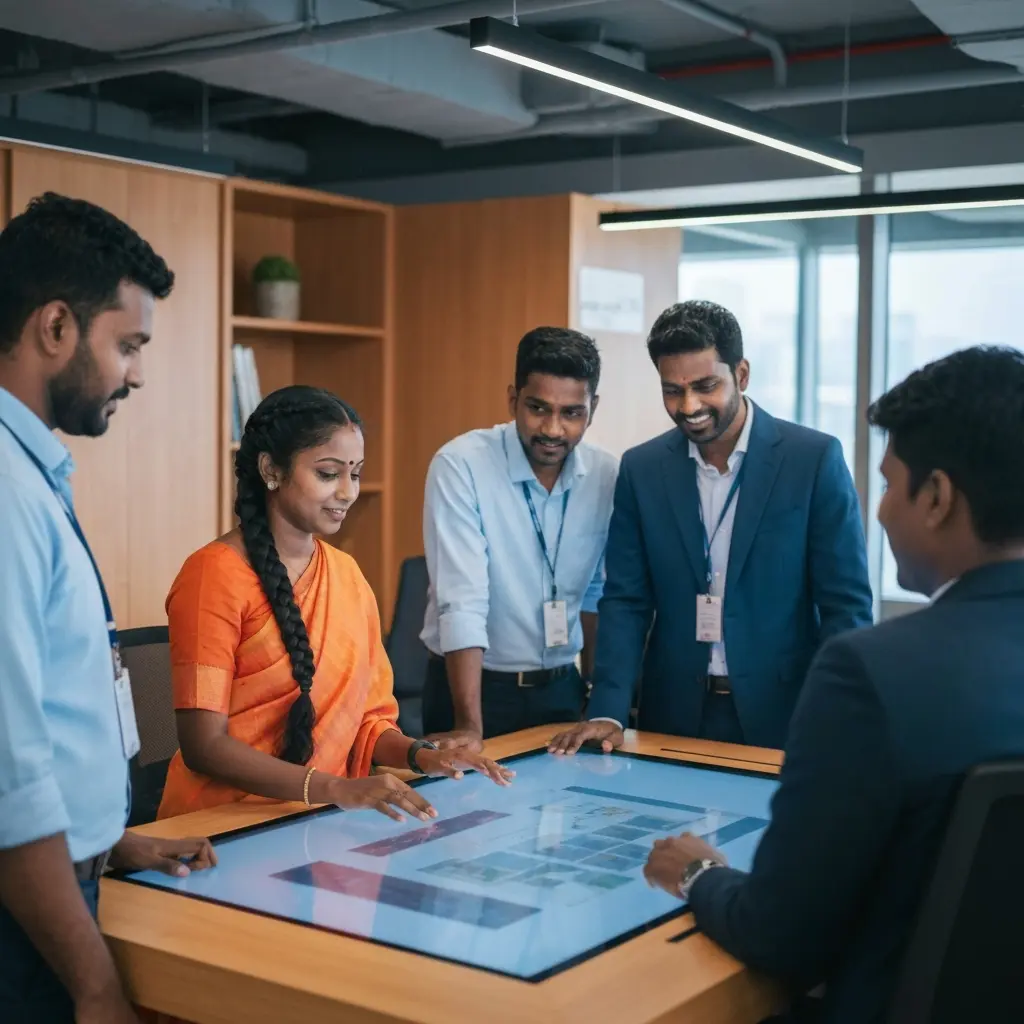
TL;DR: By 2026, flexible workspace is a structural pillar for growth. Indian enterprises are pivoting to distributed managed suites for 25%+ real estate savings, talent-centric satellite offices, and agile, tech-enabled infrastructure. This is the new corporate real estate playbook.
For the Indian business leader, the traditional office lease is a significant constraint. It locks capital into long-term liabilities, ties operations to a single location amidst city traffic, and struggles to adapt to the hybrid work model that top talent now demands. The question is no longer about offering remote work, but about building a strategic, distributed infrastructure that supports growth, culture, and productivity. The global shift is clear: by 2026, Enterprise Flex Space 2026 has moved from a tactical experiment to a core component of corporate strategy, offering a scalable, efficient alternative to the rigid capex-heavy model of the past.
What is Enterprise Flex Space 2026?
Enterprise Flex Space 2026 refers to the strategic adoption of managed, turnkey office suites and coworking solutions by large corporations as a permanent part of their real estate portfolio. It is a move away from viewing flexible space as a temporary stopgap, towards using it as a deliberate tool for portfolio optimisation, cost management, and supporting a structured hybrid workforce with distributed, high-quality infrastructure.
The Financial Imperative: Unlocking Capital for Growth
The most compelling argument for Indian enterprises is financial liberation. Swapping a traditional 10-year lease for a managed suite converts a significant capital expenditure (CAPEX) into a predictable operational expense (OPEX). Global data indicates average real estate cost savings of 25%, primarily from eliminating hefty security deposits, fit-out costs, and the operational overhead of managing facilities like AC maintenance—a critical factor in Chennai’s climate.
For an Indian SME, this freed-up capital of several lakhs or crores can be redirected towards R&D, marketing, or hiring key talent. The agility is equally valuable; with average operator lease terms compressing to under 7 years, companies gain the flexibility to scale up or down without being trapped in a vacant, costly space during a market downturn or after a team restructuring.
Crizone Pro Tip: Calculate your total occupancy cost, not just rent. Include fit-out depreciation, maintenance staff salaries, utilities, and amenity management. A managed suite bundles this into one transparent invoice, often at a 20-30% lower total cost.
| Cost Factor | Traditional Chennai Office (5,000 sq. ft.) | Managed Office Suite (Equivalent) |
|---|---|---|
| Monthly Base Rent | ₹8-12 Lakhs | ₹10-15 Lakhs (All-Inclusive) |
| Security Deposit | 10-12 Months Rent (₹80 Lakhs - ₹1.4 Cr) | 2-3 Months Fee |
| Fit-Out & Furniture CAPEX | ₹1.5 - ₹2.5 Crores | ₹0 (Fully Furnished) |
| Operational Overhead (Monthly) | ₹2-3 Lakhs (IT, Admin, Maintenance) | ₹0 (Included) |
| Total First-Year Outlay | ₹2.5 - ₹4 Crores+ | ₹1.2 - ₹1.8 Crores |
Table: Illustrative cost comparison highlighting capital liberation. Figures are indicative for premium spaces in Chennai.
The Talent & Productivity Equation: Beyond Cost Savings
Financials are the entry point; talent strategy is the competitive advantage. The mature ‘15-Minute City’ effect means professionals prioritise workplaces close to home. By 2026, 65% of new enterprise flex memberships are for such locations. For a company in Chennai, this means establishing a premium managed suite in OMR for southern employees and another in Anna Nagar for the north, rather than forcing a single, congested commute to Guindy.
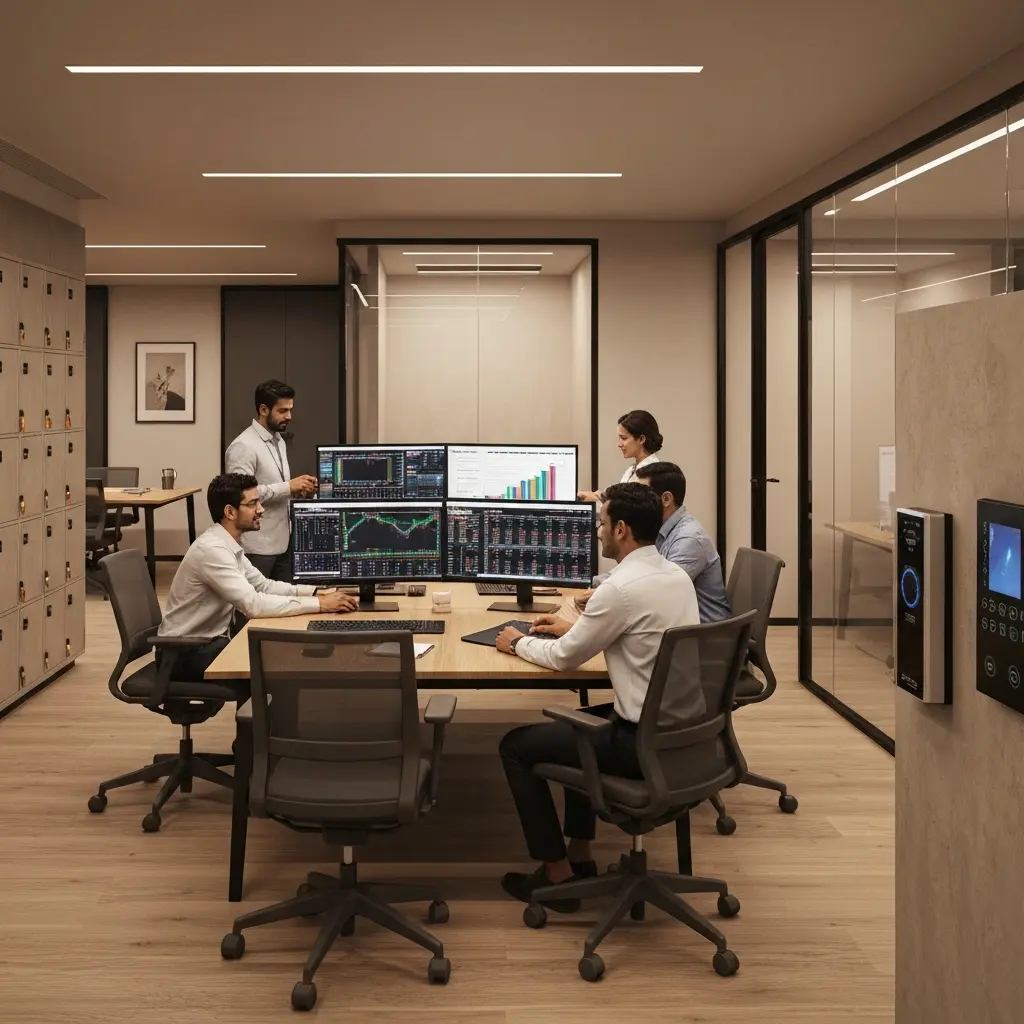
This directly impacts retention and hiring reach. Furthermore, space utilisation has fundamentally shifted. Demand for private offices and focus pods now outpaces open-plan seating 3:1, as enterprises prioritise deep work and confidentiality. Meeting room occupancy in flex spaces has hit 65%, with near-universal demand for high-end video conferencing hardware to synchronise distributed teams—a necessity for Indian firms with global clients or pan-India teams managing different festive calendars.
Manager Insight: “Productivity isn’t about attendance; it’s about providing the right environment for the task. Our team uses Crizone’s focus pods for deep analysis and the boardrooms for client pitches, all within a 15-minute radius for most.”
[Image of a network map showing a central HQ in Chennai connected to several suburban satellite offices via managed workspace providers.]
Is Your Tech Infrastructure Future-Proof?
In 2026, digital infrastructure is non-negotiable. Enterprise-class Wi-Fi 7 is the mainstream standard in flex spaces, essential for supporting AI-driven workflows, large data transfers, and robust Zero Trust security models that protect sensitive financial or IP data. For an Indian business, this level of enterprise-grade tech is often prohibitively expensive to deploy and maintain in a traditional office but comes standard in a premium managed suite.
This tech enablement extends to the very business model. Landlords and operators are increasingly moving to Management Agreements, creating aligned partnerships focused on performance and member experience rather than simple subleasing. This institutional shift ensures stability and quality for corporate clients, making the flex space a reliable, long-term partner in growth.
The 2026 Outlook for the Indian Workspace Market
The Indian market will accelerate its adoption of this global pivot. We predict a surge in demand for Grade-A managed suites in Tier-1 city suburbs and emerging Tier-2 hubs like Coimbatore and Kochi, driven by talent decentralisation. Operators will compete on tech stack depth and well-being amenities, not just location. Expect hybrid mandates to solidify, with corporate portfolios strategically blending a reduced core HQ with a network of flex spaces, optimising for both culture and convenience. Reports from JLL India will likely highlight this as the dominant trend for the latter half of the decade.
Key Takeaways
- Liberate Capital: Convert real estate CAPEX into growth-focused OPEX, realising savings of 20-30%.
- Win the Talent War: Deploy satellite offices in residential hubs to cut commute times and expand your hiring geography.
- Design for Output: Prioritise private offices and tech-heavy meeting rooms over generic open plans to boost focused work and collaboration.
- Demand Enterprise Tech: Ensure your workspace provider offers Wi-Fi 7 and enterprise security as a baseline, not an upgrade.
- Think in Networks, Not Addresses: Build an agile office portfolio that can scale with your business cycles and strategic pivots.
Conclusion
The 2026 enterprise portfolio is defined by strategic agility, talent-centric design, and financial efficiency. The pivot to distributed managed suites is not a trend but a fundamental recalibration of how businesses use physical space to enable growth. For companies in Chennai and across India, this model offers a clear path to optimise costs, empower teams, and build a resilient operational foundation. To experience how this future-forward strategy translates into a tangible growth advantage for your business, explore the distributed suite solutions at Crizone Business Centre, designed to be your partner in Chennai’s evolving corporate landscape.
Continue your workspace search
Explore the most relevant Crizone pages next
If this article is part of your Chennai workspace research, these pages help you move from reading into comparing live plans, locations, and fit.
Explore coworking plans in Chennai
Compare day passes, dedicated desks, private offices, meeting rooms, and virtual office options from one commercial hub page.
Book a day pass in Chennai
Best fit if you need occasional workspace access, a short productive break from home, or a flexible desk for a single day.
Compare dedicated desk options
A stronger fit for regular monthly use when you want a fixed seat, better routine, and predictable workspace costs.