· Business Growth & Workspace · 6 min read
The 2026 Flex Space Strategy: Why Secondary Markets & Enterprise Demand are Reshaping Indian Business
Discover how the 2026 global shift towards coworking in secondary markets and giga-projects can transform your SME's real estate strategy in Chennai, driving growth without capital lock-in.
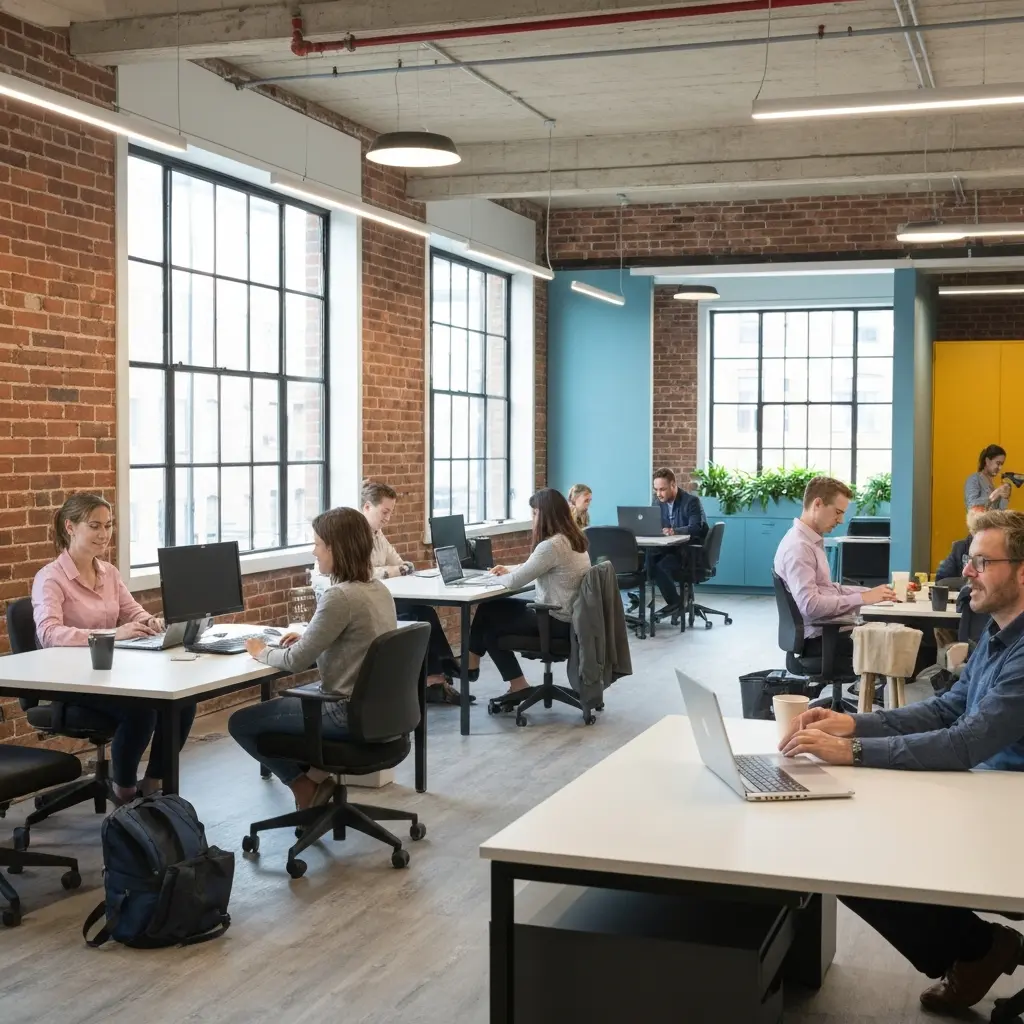
TL;DR: The 2026 workspace landscape is pivoting from saturated metros to high-growth secondary cities and enterprise-ready hubs. This shift, driven by zero-capex market testing and management agreements, offers Indian SMEs a powerful strategy for agile expansion, cost control, and talent attraction without the risks of traditional leases.
Introduction
For the ambitious Indian entrepreneur or SME founder, scaling operations has long been synonymous with a significant real estate commitment. Securing a traditional office lease in a prime location often means a large upfront deposit, inflexible multi-year contracts, and the burden of managing everything from AC maintenance to pantry supplies. As corporate real estate costs in established city centres rise, this model increasingly stifles agility and growth capital. This 2026 flex space growth trend provides a compelling alternative. A strategic, flexible workspace in a well-connected secondary hub or a professionally managed business centre allows you to access premium infrastructure, meet client expectations, and scale your team on-demand—all while preserving cash and focusing on your core business.
What is Secondary Market Coworking?
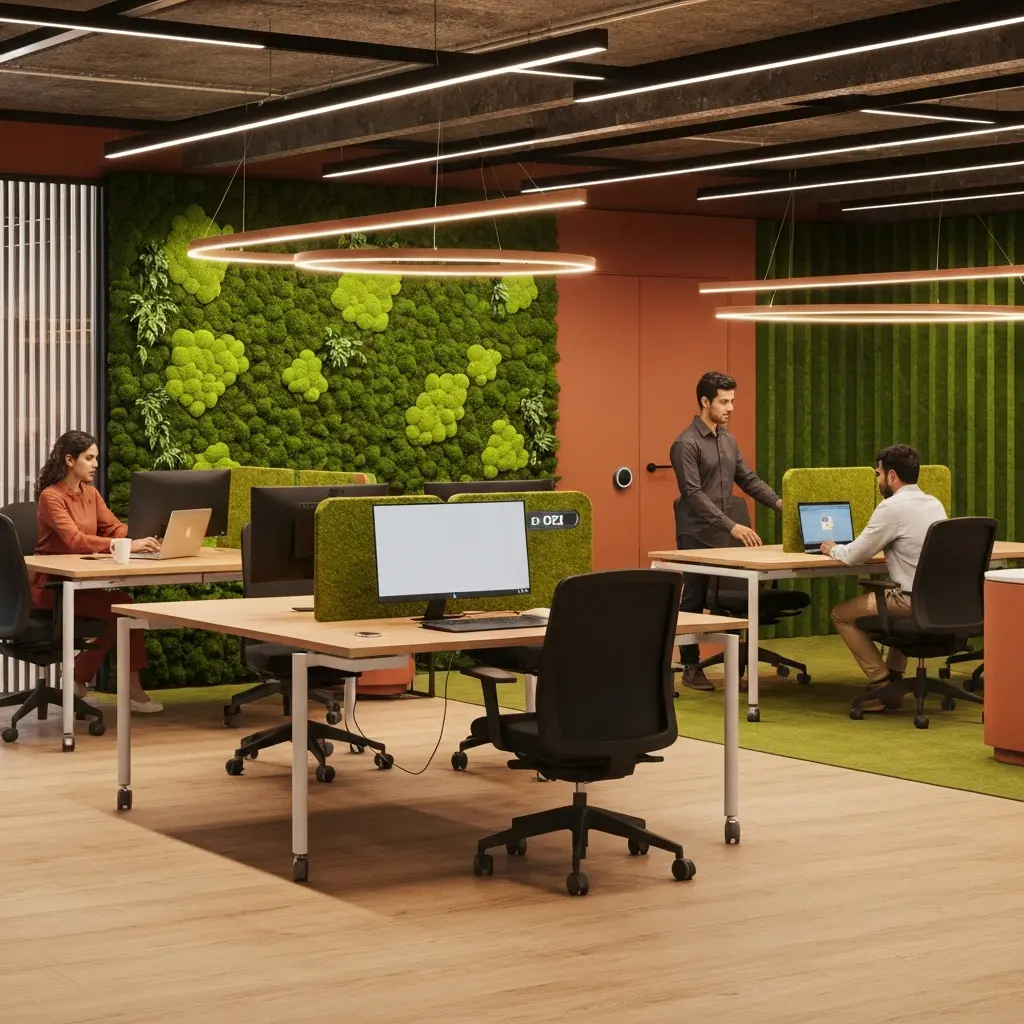
Secondary Market Coworking refers to the strategic expansion of premium, flexible workspace offerings into high-growth business districts outside a region’s primary metropolitan core. In the Indian context, this means moving beyond the traditional CBDs to locations like Chennai’s rapidly developing OMR-ECR corridor or emerging commercial hubs in other Tier-2 cities. These spaces offer the same professional infrastructure—high-speed internet, meeting rooms, business-grade support—as city-centre locations but are tailored for enterprises and SMEs looking to test new markets, access talent pools, or establish a professional presence without the prohibitive costs and traffic congestion of the main business districts.
Why are Corporations Driving the 2026 Flex Space Growth?
The data is clear: the primary demand for flexible workspace no longer comes solely from freelancers and startups. In 2026, corporate occupiers dominate, driven by the need for agility. Enterprises are using flexible workspaces in secondary markets as a hedge against uncertainty—be it return-to-office mandates or market volatility. This allows a company to establish a Chennai branch or a sales team in a new region with zero capital expenditure and the ability to scale headcount up or down monthly. For an Indian SME, this trend is an opportunity. It means the flexible workspace ecosystem is now mature, enterprise-grade, and equipped to support your business’s compliance needs, from GST invoicing addresses to professional client meeting facilities.
Crizone Business Centre Insight: We’ve observed a 40% year-on-year increase in enquiries from businesses seeking to establish a credible Chennai presence without the long-term overhead. A management agreement model allows us to provide that stability.
| Traditional Chennai Office (1,000 Sq. Ft, CBD) | Flexible Solution (Crizone Business Centre, Secondary Hub) |
|---|---|
| Rent: ₹2.5-3 Lakhs per annum | Dedicated Desk Membership: ₹1.8-2.2 Lakhs p.a. |
| Security Deposit: 10 Months Rent (₹2.5-3 Lakhs) | Refundable Security Deposit: Typically 1-2 Months |
| Maintenance + CAM Charges: ₹50,000-₹75,000 p.a. | All-Inclusive (Maintenance, Utilities, High-Speed Internet) |
| Furnishing & IT Setup: ₹5-7 Lakhs (Capex) | Fully Furnished, Tech-Enabled Workspace (Zero Capex) |
| Total Initial Outlay (Year 1): ~₹8-11 Lakhs | Total Initial Outlay (Year 1): ~₹2-2.5 Lakhs |
Is a Management Agreement the Smartest Real Estate Strategy for Your SME?
Globally, management agreements have become the dominant model, representing 78% of UK flexible inventory. This structure, where a landlord partners with a professional operator like Crizone to manage the workspace, is gaining traction in India. It de-risks the model for property owners while ensuring operators can deliver a consistently high-quality, well-maintained environment. For you, the business owner, this translates to reliability. You aren’t dealing with an individual landlord but a professional entity whose business is to ensure your workspace functions flawlessly—the AC is serviced for Chennai’s humid climate, the internet is resilient, and the common areas are pristine. This professionalisation, driven by institutional demand, means your flexible workspace partner is a true growth ally.
How to Leverage Solution-Driven Infrastructure for Team Productivity
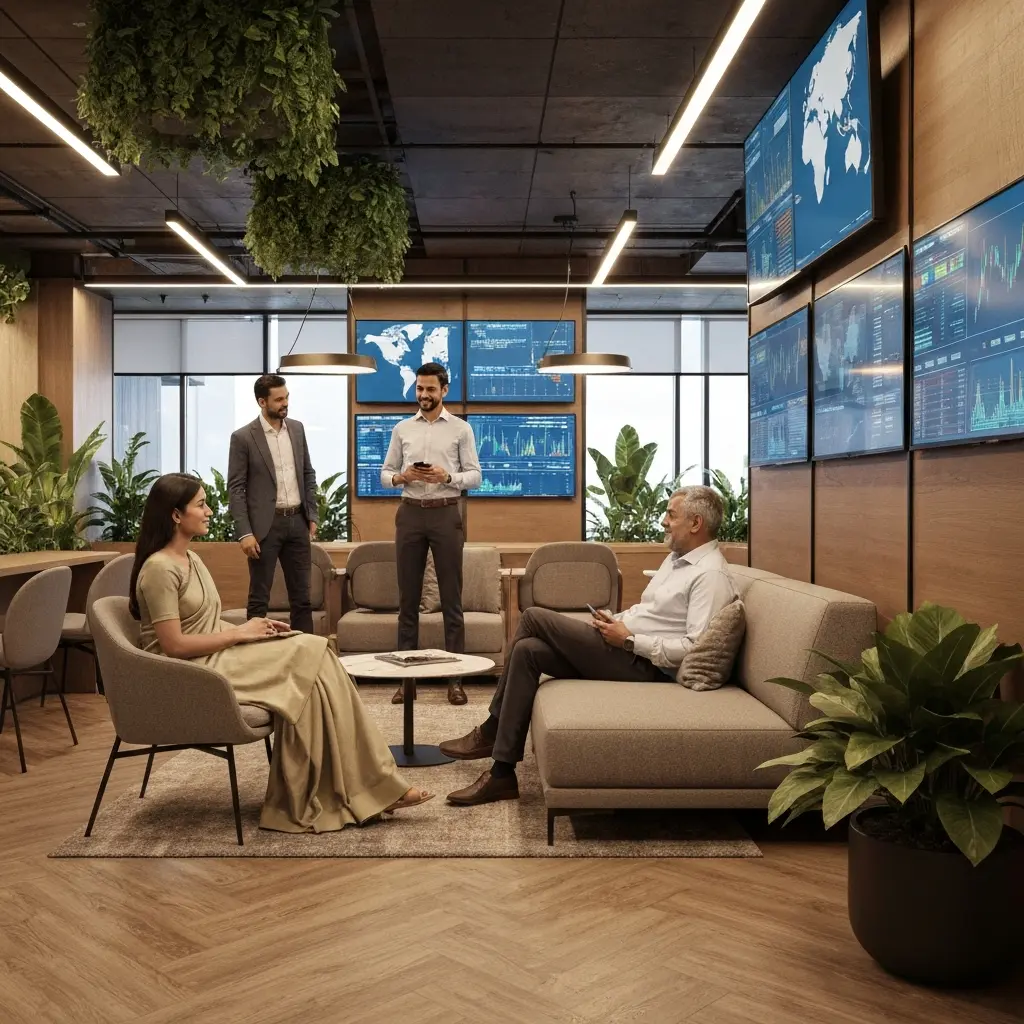
Demand has decisively shifted from luxury amenities to practical, productivity-enhancing infrastructure. The top-requested features globally are now meeting rooms and private phone booths—tools that support focused work and professional client interactions. For hybrid-first organisations, the desk-to-employee ratio is stabilising around 1.5:1, meaning space design must prioritise collaboration zones over rows of assigned desks. An Indian SME can leverage this by choosing a workspace provider that understands this balance. Does your team need multiple small huddle rooms for daily scrums? Are sound-proof phone booths essential for sales calls during festive season campaigns when the office is quieter? Selecting a space with this ‘solution-driven’ design directly impacts your team’s output and professionalism.
Growth Tip for Founders: Audit your team’s weekly activities. How many hours are spent in internal vs. client meetings, on deep-focus tasks, and on collaborative work? Match this to your workspace’s layout and amenities for maximum efficiency.
[Image of a detailed flowchart showing ‘How to Choose Your 2026 Workspace Strategy’] Alt: A flowchart guiding Indian businesses through the decision between traditional lease, secondary market flex space, and city-centre coworking based on growth stage and capital.
The 2026 Outlook for Indian Workspaces
The Indian flexible workspace market will accelerate its mirroring of global trends in 2026. We will see intensified growth in secondary commercial hubs within major cities and in Tier-2 cities with strong digital infrastructure. As JLL India’s recent reports indicate, enterprise adoption will continue to rise, pushing operators to offer more integrated services like compliance support and enterprise resource planning (ERP) integrations. The ‘giga-project’ equivalent in India—large-scale integrated business parks and township developments—will increasingly incorporate premium flex space as a core amenity. The focus will remain squarely on providing a reliable, professional, and agile platform for business growth, making flexible workspace the default real estate strategy for scaling companies.
Key Takeaways
- Agility is Capital: Use flexible workspace in secondary markets like Chennai’s emerging corridors for zero-capex market testing and scaling, preserving cash for core business investments.
- Follow Corporate Demand: The enterprise shift towards flex validates its stability and professionalism; your SME can benefit from the same high-grade infrastructure and services.
- Prioritise Productivity Features: Choose a workspace based on practical amenities (meeting rooms, phone booths, reliable tech) over luxury perks to directly enable your team’s output.
- Understand the Financial Model: Management agreements signal a professional, stable operator—a partner invested in your seamless experience, not just a landlord.
- Plan for Hybrid Realities: Design your team’s workspace strategy around a 1.5:1 desk ratio, ensuring enough collaborative space to complement remote workdays.
Conclusion
The 2026 flex frontier is not about mere cost-saving; it is a strategic lever for intelligent growth. By embracing the shift towards secondary markets and solution-driven, professionally managed spaces, Indian businesses can build a resilient, scalable operational foundation. This approach turns real estate from a fixed cost and administrative burden into a dynamic asset that adapts to opportunity. For businesses charting their growth path in Chennai, Crizone Business Centre is designed to be that precise growth partner—offering enterprise-grade, flexible workspaces in optimally connected locations to help you compete and scale with calm efficiency.
Continue your workspace search
Explore the most relevant Crizone pages next
If this article is part of your Chennai workspace research, these pages help you move from reading into comparing live plans, locations, and fit.
Explore coworking plans in Chennai
Compare day passes, dedicated desks, private offices, meeting rooms, and virtual office options from one commercial hub page.
Book a day pass in Chennai
Best fit if you need occasional workspace access, a short productive break from home, or a flexible desk for a single day.
Compare dedicated desk options
A stronger fit for regular monthly use when you want a fixed seat, better routine, and predictable workspace costs.