· Business Growth & Workspace · 7 min read
Acoustic Infrastructure: The 2026 Shift to Zonal Privacy
Discover how 'Library-ification' and acoustic infrastructure are transforming Indian workspaces in 2026, saving businesses lakhs in lost productivity.
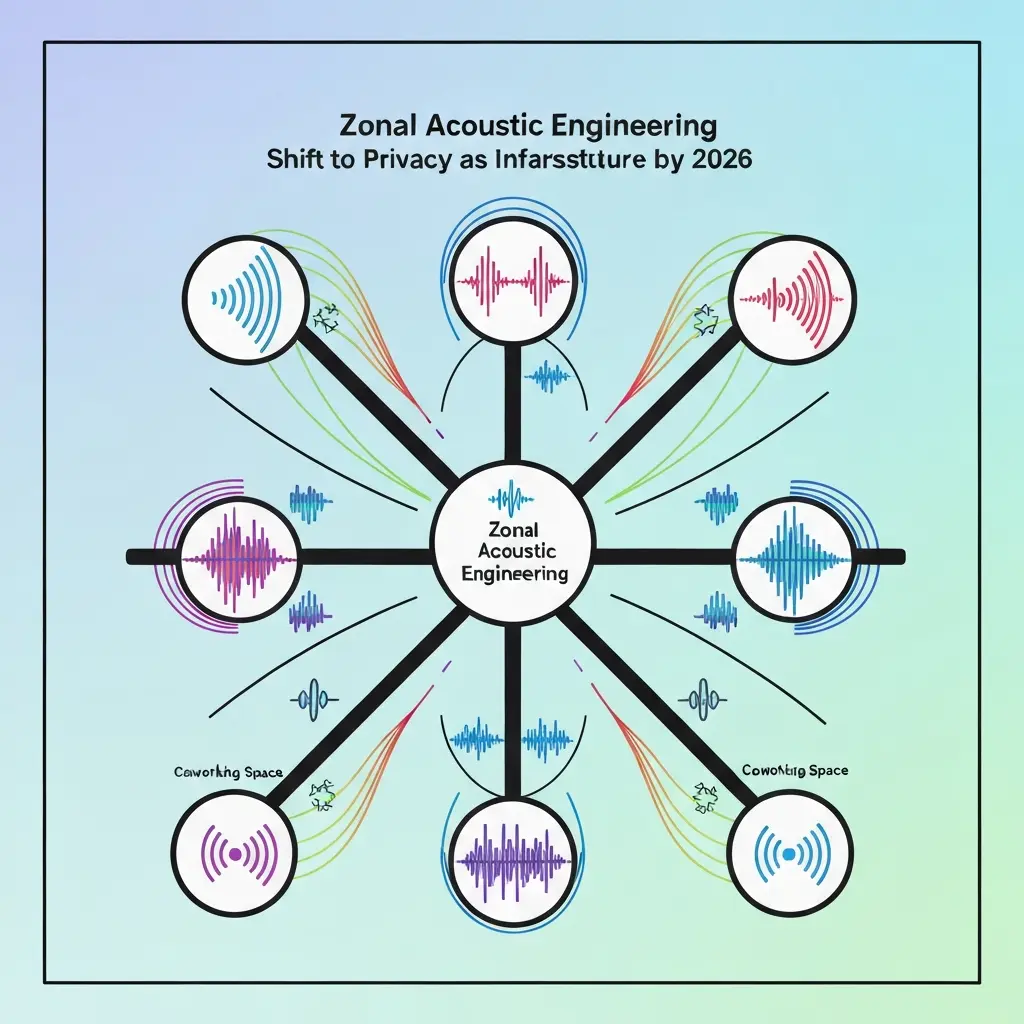
TL;DR: As of 2026, the ‘cool’ open-plan office is being replaced by ‘Library-ification’. With 75% of workers suffering from sensory overload, Acoustic Infrastructure has shifted from a luxury to a necessity. By prioritising sound-isolated ‘sanctuary zones’ and modular design, Indian businesses can reclaim lost productivity hours and avoid significant capital expenditure on fixed fit-outs.
For nearly a decade, the image of the modern Indian office was dominated by buzzing, open floor plans. Whether in the tech corridors of OMR or the bustling commercial hubs of T. Nagar, the philosophy was simple: tear down walls to foster collaboration. However, as we settle into 2026, a significant correction is underway. The very layout designed to connect us has created a crisis of concentration.
Indian entrepreneurs and branch managers are facing a unique challenge. Between the inevitable construction noise of a developing city and the high energy of collaborative teams, the ambient noise floor in traditional offices has risen sharply. The result is not increased innovation, but cognitive fatigue. This has paved the way for Acoustic Infrastructure—a strategic approach where privacy is engineered into the very bones of the workspace. It is no longer enough to offer a desk and a chair; the workspace must now actively protect the worker’s focus.
At Crizone Business Centre, we have observed this shift firsthand. Companies are no longer asking just for ‘seats’; they are inquiring about ‘zones’. They need spaces that respect the rhythm of deep work while maintaining the flexibility to scale. This article explores why acoustic engineering is the most critical investment for your business growth in 2026.
What is Acoustic Infrastructure?
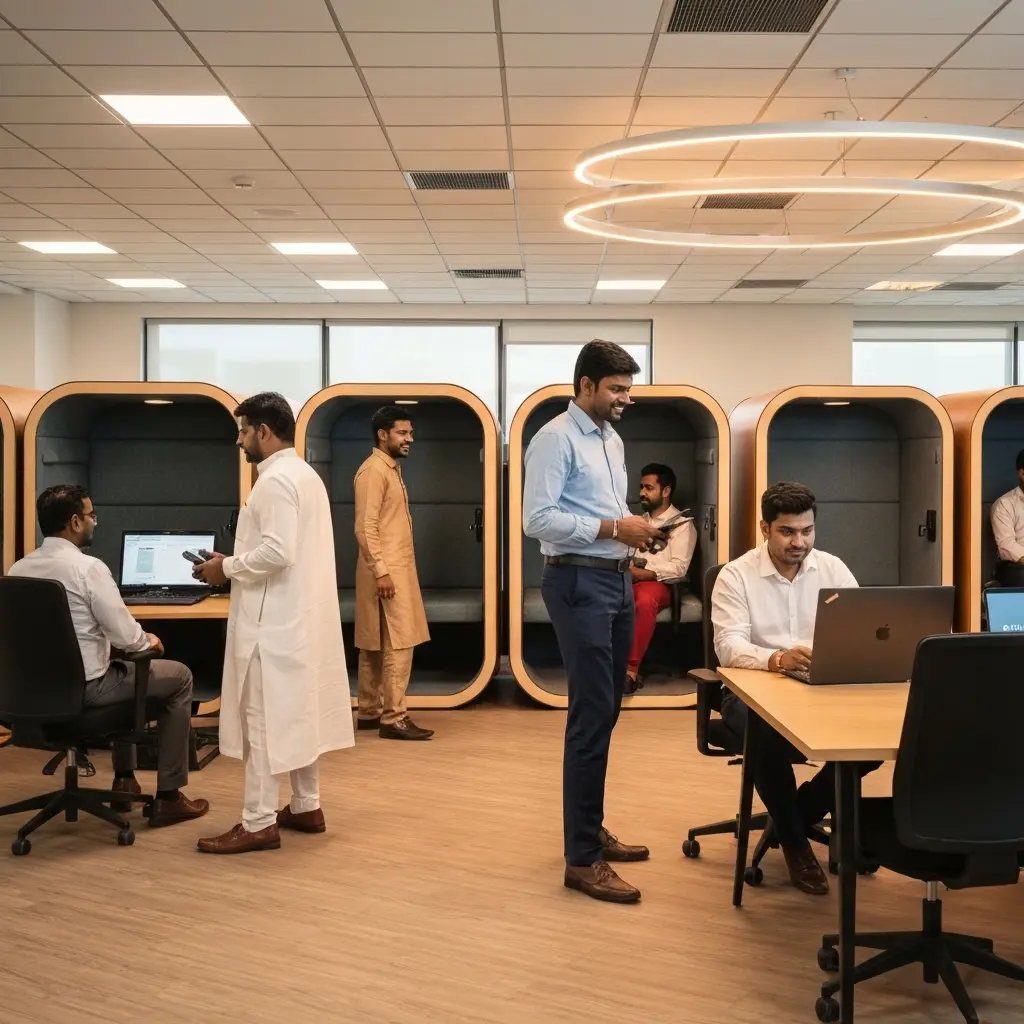
Acoustic Infrastructure refers to the systemic integration of sound-dampening materials, zonal planning, and modular privacy units (such as acoustic pods) into the workspace design. Unlike simple soundproofing, which attempts to block noise entering a room, acoustic infrastructure manages how sound travels within the space.
It represents a move away from static drywall construction toward dynamic, sound-engineered zones. In the context of 2026, this involves the deployment of ‘Sanctuary Zones’—areas strictly designated for deep focus—protected by plant-based acoustic panels and low-VOC tactile materials. For an Indian SME, this means moving from a chaotic hall to a curated environment where ‘loud’ sales calls and ‘quiet’ coding sessions coexist without friction.
The ‘Refocus Tax’: Why Silence is the New Currency
The open-plan experiment has revealed a hidden cost on the balance sheet: the ‘Refocus Tax’. Recent workplace analytics from early 2026 reveal that it takes approximately 20 minutes for a worker to return to a state of deep concentration after a single distraction. In a high-density city like Chennai, where interruptions are frequent, this tax compounds rapidly.
Consider a senior developer or a financial analyst on your team. If they are interrupted just three times a day, your business loses an hour of their highest-value output. Over a month, that is 20+ hours of lost productivity per employee. This is not merely an annoyance; it is a revenue leak.
Manager Insight: “We used to view glass partitions as a barrier to culture. Now, we view acoustic pods as a tool for retention. Our team output increased by 30% simply by introducing ‘Do Not Disturb’ zones.” — SaaS Founder, Chennai
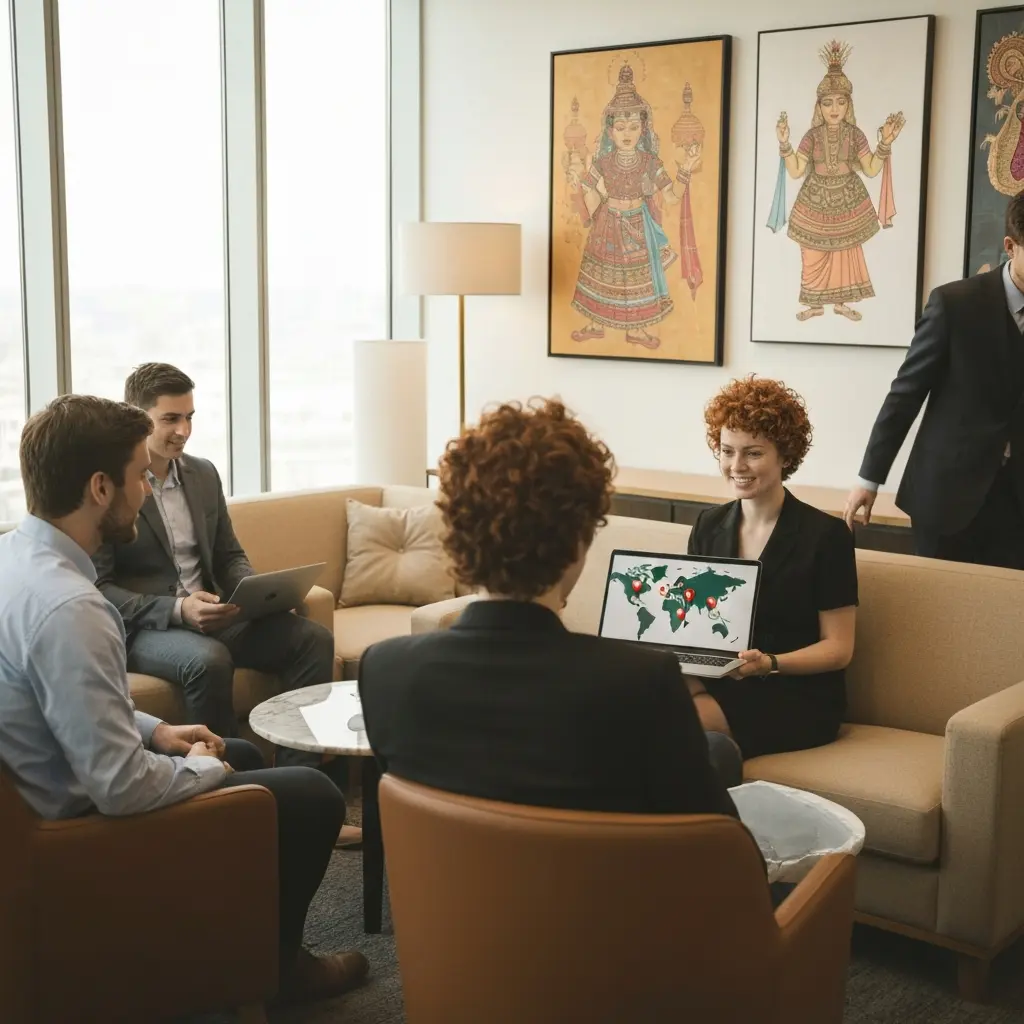
Global market data supports this pivot. The market for meeting pods and acoustic booths is projected to reach $4.75 billion (approx. ₹39,000 Crores) by 2030. This 18% CAGR is driven by businesses that have realised that the cost of providing privacy is significantly lower than the cost of distracted talent.
[Image of Diagram showing office floor plan with color-coded heat map: Red zones for high noise collaboration, Blue zones for acoustic sanctuary, utilizing modular pods]
Is Modular Design More Cost-Effective?
For many Indian founders, the hesitation to upgrade office infrastructure stems from capital expenditure (CapEx) concerns. Traditional office fit-outs in Chennai involve heavy civil work, HVAC re-routing, and rigid carpentry. However, the rise of Furniture as a Service (FaaS) and modular ecosystems has fundamentally changed the financial equation.
In 2026, we are seeing a shift where assets are reused rather than discarded. A single-person focus booth costs between ₹4 Lakhs and ₹8 Lakhs ($5,000 - $10,000) to purchase. While this seems high, compare it to the sunk cost of building a permanent private cabin in a leased property, which you must demolish upon exiting.
Below is a comparison of setting up a private focus zone in a traditional leased office versus a premium flexible workspace like Crizone.
Cost Comparison: Traditional Lease vs. Crizone Membership
| Cost Component | Traditional Office Lease (Chennai) | Crizone Business Centre |
|---|---|---|
| Private Cabin Construction | ₹3,50,000 - ₹5,00,000 (Civil + HVAC + Glass) | ₹0 (Included in Infrastructure) |
| Acoustic Panelling | ₹1,500 per sq. ft. (Material + Labour) | ₹0 (Pre-installed Standard) |
| Furniture Asset Risk | High (Depreciating asset, hard to resell) | Zero (Managed by Operator) |
| Maintenance & Cleaning | ₹15,000/month (Staff + Consumables) | Included in Membership Fee |
| Flexibility | Low (Fixed layout for 3-5 years) | High (Scale zones up/down monthly) |
By leveraging the ‘Modular Ecosystem’ trend—where furniture assets are reused 2–6 times over their lifecycle—flexible workspaces absorb the heavy costs. You, as the member, simply pay for access. This financial agility is why 44% of companies have modified their space programmes to increase ‘focused work’ areas without increasing their real estate footprint.
Beyond Sound: The Ergonomic and Sensory Pivot
Acoustic Infrastructure is deeply tied to the broader sensory environment. The Chennai climate—often humid and warm—adds another layer of physical stress. When you combine thermal discomfort with acoustic noise, employee burnout is inevitable.
In 2026, ergonomics has shifted from being a ‘perk’ to a baseline requirement. It is no longer just about a comfortable chair; it is about active health support.
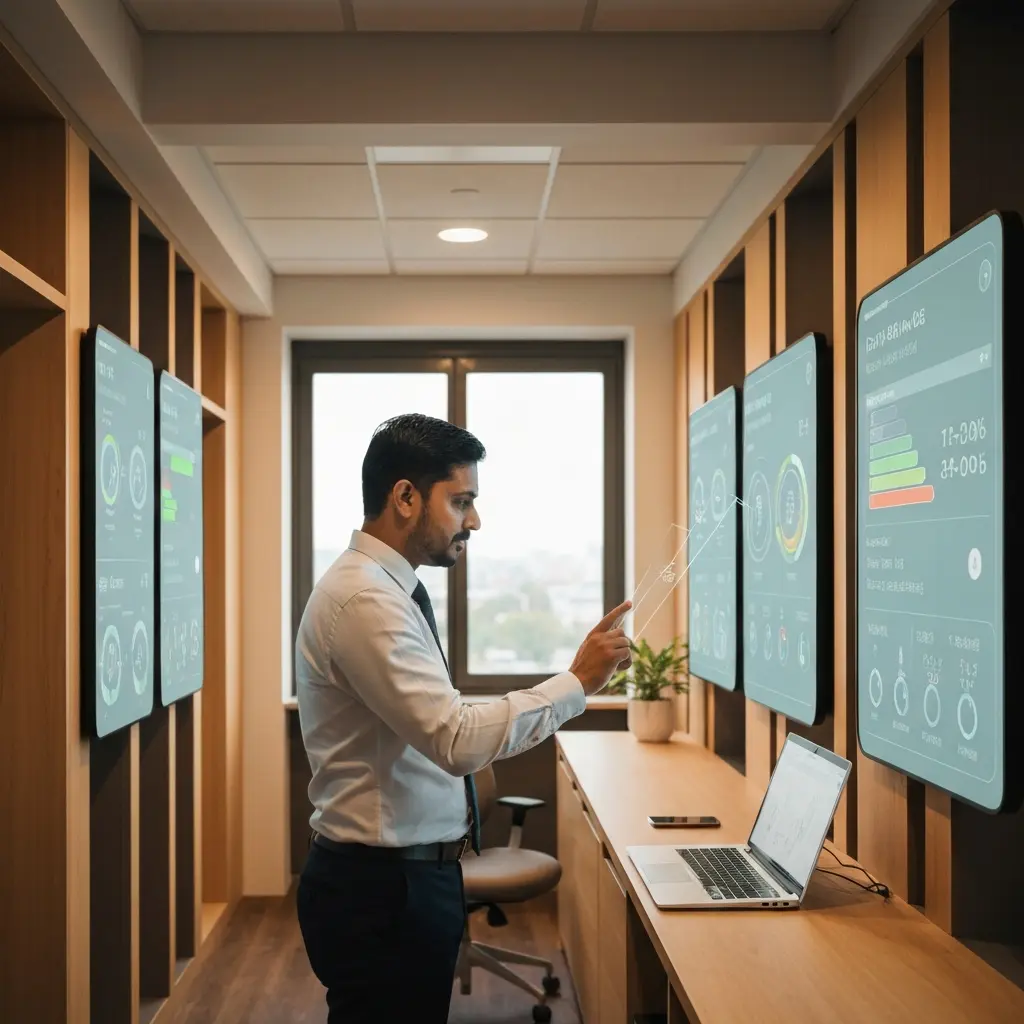
- Smart Seating: Modern executive seating now features integrated sensors tracking posture, reducing musculoskeletal issues by an estimated 12%. This is vital for Indian professionals who spend long hours at desks.
- Sit-Stand Integration: Sit-stand desk integration has reached 77% in new buildouts. This movement capability helps metabolise stress hormones accumulated during high-pressure work.
- Materiality: Designers are specifying plant-based acoustic panels and low-VOC materials. This improves indoor air quality—a crucial factor in air-conditioned environments—and lowers cognitive strain.
Crizone Pro Tip: When touring a potential office space, ask about the ‘Noise Reduction Coefficient’ (NRC) of the meeting rooms. A professional centre should be able to discuss how they manage sound bleed between cabins.
The 2026 Outlook: The Circular Office
Looking ahead to the remainder of 2026, the Indian market will see a tighter integration of sustainability and privacy. ‘Circular Furniture Systems’ are becoming the procurement standard. We predict that 74% of corporate real estate leaders in India will integrate furniture reuse metrics into their occupancy planning to meet ESG goals and reduce waste.
Furthermore, as the ‘Library-ification’ trend solidifies, expect to see the death of the completely open floor plan. The future is hybrid—not just in terms of remote work, but in terms of physical layout. Offices will resemble university libraries: communal tables for quiet study, sound-proof pods for energetic discussion, and comfortable lounges for breaks—all clearly demarcated to prevent sensory bleed.
Key Takeaways
- Audit Your Noise Levels: If your team is wearing noise-cancelling headphones all day, your infrastructure is failing them. Consider zonal planning.
- Calculate the Refocus Tax: Estimate the cost of 20 minutes of lost focus per interruption per employee. The figures will justify the investment in privacy.
- Prioritise Flexibility: Avoid sinking capital into fixed drywall partitions. Opt for modular pods or flexible workspaces that offer these assets as a service.
- Embrace Ergonomics: Ensure your workspace provider offers sit-stand desks and sensor-integrated seating to reduce physical strain.
- Demand Sanctuary Zones: When selecting a workspace in Chennai, look specifically for ‘deep work’ areas that are acoustically separated from the pantry and reception.
Conclusion
The pivot to Acoustic Infrastructure is not a retreat from collaboration; it is a maturation of the coworking concept. By recognising that privacy is as essential as electricity or WiFi, businesses can create environments that actually foster growth rather than just activity. In the competitive Indian market, the ability to focus is a competitive advantage.
At Crizone Business Centre, we have anticipated this shift. Our centres in Chennai are designed with calmness and efficiency at their core, offering you the acoustic privacy of a corporate headquarters with the flexibility of a startup hub. If you are ready to hear yourself think and watch your business grow, we invite you to experience the difference of a sound-engineered workspace.
Continue your workspace search
Explore the most relevant Crizone pages next
If this article is part of your Chennai workspace research, these pages help you move from reading into comparing live plans, locations, and fit.
Explore coworking plans in Chennai
Compare day passes, dedicated desks, private offices, meeting rooms, and virtual office options from one commercial hub page.
See private offices for growing teams
Useful when your team needs privacy, more focused calls, a stronger client-facing setup, or room to scale beyond shared seating.
Book a day pass in Chennai
Best fit if you need occasional workspace access, a short productive break from home, or a flexible desk for a single day.