· Business Growth & Workspace · 7 min read
All-Access Membership: The 2026 Flex Workspace Model for Indian Growth
The flexible workspace industry's revenue model has shifted. Discover how the 'Managed Expansion' phase and All-Access memberships offer a strategic advantage for Indian businesses in 2026.

TL;DR: The flexible workspace market’s fastest-growing revenue model is the ‘All-Access’ membership, driven by managed expansion. For Indian businesses, it transforms real estate from a fixed cost into a strategic, scalable asset for growth, talent access, and inflation resilience.
Introduction
For the Indian entrepreneur or branch manager, growth is often hindered by a critical, high-friction decision: committing to a long-term office lease. Rising commercial rents in hubs like Chennai’s OMR, unpredictable market conditions, and the need for operational agility create a significant bottleneck. This contrasts sharply with the dynamic demand from today’s workforce, which values flexibility and proximity. The global workspace industry has undergone a fundamental shift to address this exact tension, moving decisively from simple desk rental to sophisticated partnership-based growth models. The rise of the All-Access Membership is not just a trend; it’s the core revenue engine of this new ‘Managed Expansion’ phase, offering a blueprint for Indian businesses to scale efficiently and competitively.
What is an All-Access Membership?
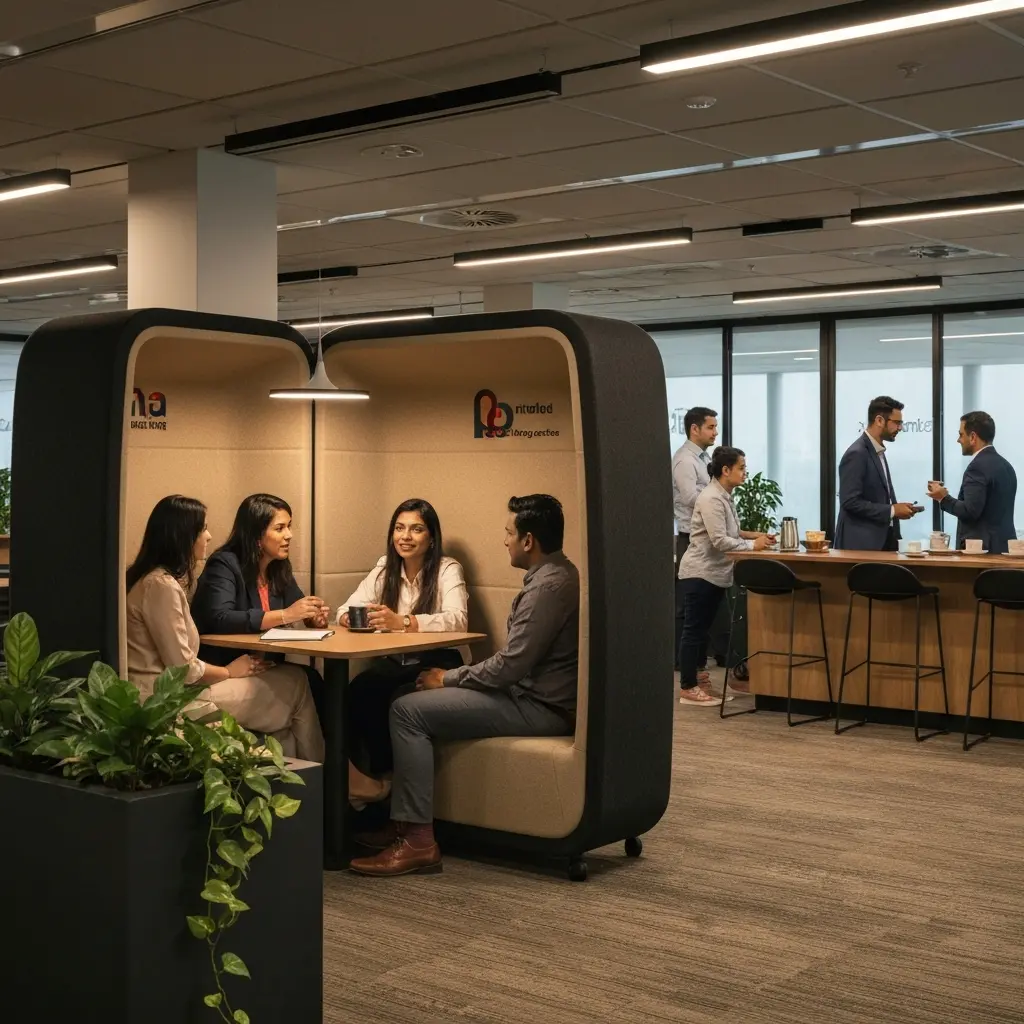
An All-Access Membership is a premium flexible workspace product that grants a member or company access to a global or national network of coworking centres, private offices, and meeting rooms under a single, recurring fee. Unlike a single-location plan, it is designed for mobile professionals and distributed teams, enabling work from any participating hub. It is the workspace equivalent of a multi-city gym membership or a SaaS subscription, prioritising network value and operational flexibility over a fixed physical address. This model has become the fastest-growing segment in the industry, as validated by 2026 market data.
The Strategic Shift: From Leases to Managed Partnerships
The 2026 landscape is defined by ‘Managed Expansion,’ where leading operators like IWG grow through asset-light partnerships rather than capital-intensive leases. Their 70% surge in franchise and managed fee income signals this pivot. For an Indian SME, this translates to access. You are no longer just renting a desk; you are partnering with an operator whose business model is aligned with your success and geographic reach.
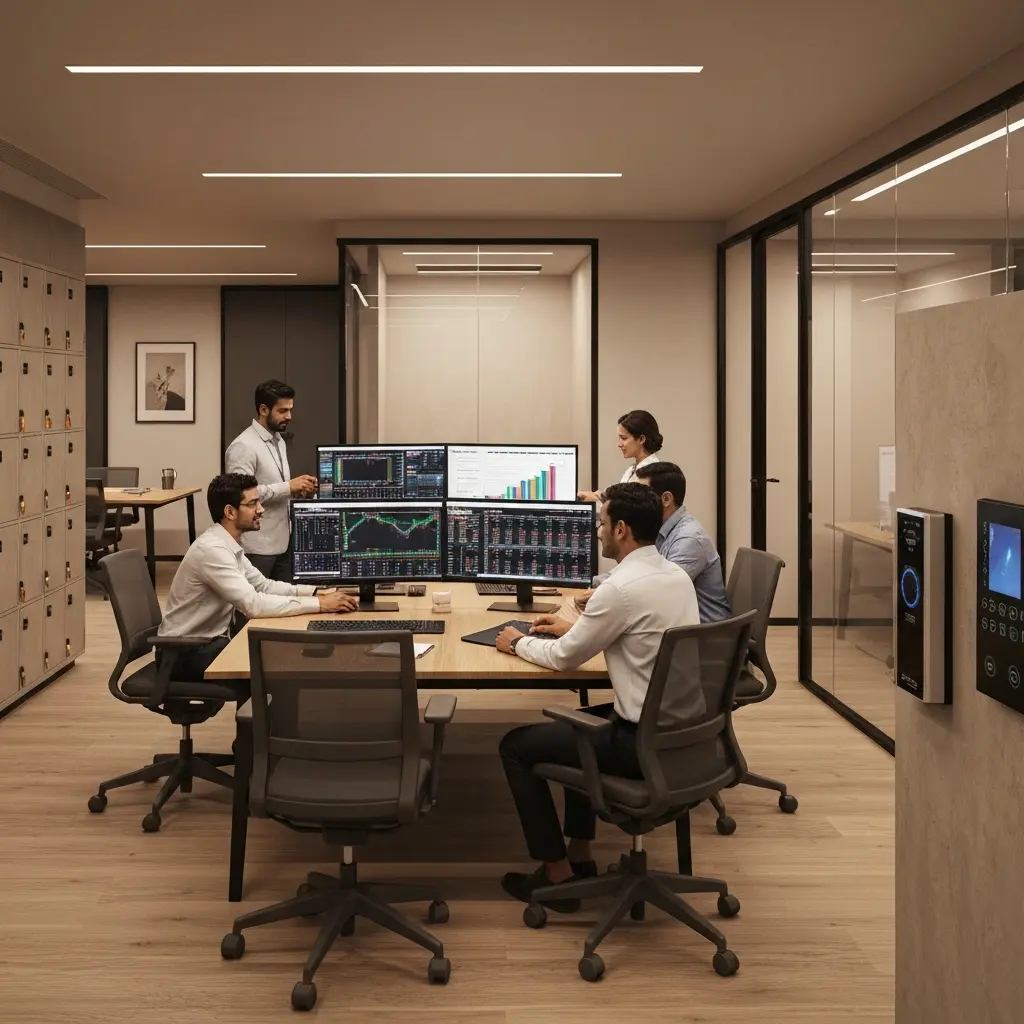
This partnership model de-risks expansion. Opening a sales office in Bangalore or a developer hub in Pune no longer requires a burdensome 3-year lease, GST registration for a new property, and managing fit-outs. It means activating a ready-to-work, professionally managed space within a trusted network. The operator bears the capital and operational burden, while your business gains instant, credible presence.
Crizone Pro Tip: When evaluating a workspace provider, ask about their expansion model. A partner engaged in managed growth is more likely to offer stable, scalable solutions and invest in consistent service quality across locations, which protects your operational continuity.
Why All-Access is the Ultimate Growth Lever for Indian Businesses
Unlocking Talent and Reducing Friction
India’s talent pool is no longer centralised. Top developers might prefer Coimbatore’s pace, while marketing talent thrives in Mumbai. An All-Access pass lets you hire the best person for the job, not just the best person within commuting distance of your single office. It eliminates the “Chennai traffic” penalty for employee satisfaction and allows for strategic “hub and spoke” team structures. This directly addresses one of the biggest growth constraints for scaling Indian businesses: talent acquisition and retention.
Financial Agility and Predictable Scaling
Contrast the cash flow impact of a traditional lease versus a flexible membership. A traditional lease locks in capital for security deposits, mandates fixed monthly rent regardless of use, and involves significant, non-recoverable fit-out costs. A flexible All-Access model converts this into a variable, operational expense that scales precisely with your headcount and geographic needs.
| Cost Factor | Traditional Chennai Office Lease (₹) | Flexible All-Access Solution (₹) |
|---|---|---|
| Security Deposit | 6-12 Months Rent (₹ 9-18 Lakhs on ₹1.5L/mo rent) | Typically 1 Month Fee or Less |
| Fit-Out & Furniture | ₹ 2,000 - ₹ 4,000 per sq. ft. (CapEx) | Included in membership (OpEx) |
| Monthly Fixed Cost | Rent + Maintenance (Fixed, even at 50% occupancy) | Per-Desk or Membership Fee (Scales with use) |
| Admin/Compliance | Direct landlord management, separate utility contracts | Single invoice, managed services included |
This financial model, as highlighted in CBRE India’s recent reports on flexible space uptake, provides crucial agility. You can pilot a new market with a 5-desk commitment instead of a 5,000 sq. ft. lease, reallocating saved capital to R&D or sales incentives.
How Does This Drive Revenue and Protect Margins?
The 2026 data reveals a focus on ‘yield discipline’ and high-value bundled services. For operators, protecting Revenue Per Available Desk (RevPAD) is key. For you, the client, this means memberships are increasingly packaged like SaaS tiers—bronze, silver, gold—with more valuable services integrated into higher tiers to justify price increases and combat inflation.
This bundling is a defensive strategy for your business. When 76% of operators include tech tools in base tiers, your membership covers video conferencing hardware, booking software, and high-speed internet—costs you would otherwise manage separately. The 30% of operator revenue from ancillary services (like B2B concierge suites) means you can access premium meeting rooms, virtual office addresses, or event spaces on-demand, transforming your workspace into a revenue-generating channel for client meetings and partnerships.
Manager Insight: The bundled model turns inflation from a variable threat into a managed input. Your membership fee increase is negotiated upfront, covering rising operational costs (like AC during Chennai’s humid summer), rather than facing surprise hikes in electricity or AMC charges from a traditional landlord.
Is an All-Access Strategy Right for Your Indian Team?
This model is not a one-size-fits-all, but its applicability has widened dramatically. Consider it if:
- Your team includes sales professionals, consultants, or auditors who travel frequently.
- You are planning to enter a new city within the next 18 months.
- You have a hybrid work policy and need reliable, professional touchdown spaces beyond the home.
- You are a startup that needs to present a established, professional image to clients across multiple locations without the overhead.
The stabilisation of occupancy rates at 86% in mature markets like London indicates these models are moving beyond early adoption into a standard corporate real estate strategy. With 70% of corporate leaders planning footprint expansion through flex hubs, adopting this model is also a talent signal, showing prospective employees a modern, trusting, and flexible work culture.
The 2026 Outlook for India’s Workspace Market
The Indian market will accelerate its adoption of these global trends. We will see a continued blurring of lines between traditional landlords and flex operators, as 81% of asset managers plan to increase their flex exposure. Expect more branded, high-service partnerships like the managed models dominating 2026 earnings reports. For businesses in Chennai and beyond, this means greater choice, more premium options in suburban and transit-linked areas (like near Metro stations), and increased standardisation of service bundles. The focus will shift from selling space to selling productivity, networking, and growth infrastructure, with All-Access passes becoming a common tool for managing distributed teams across India’s tier-1 and emerging tier-2 cities.
Key Takeaways
- Transform Real Estate Strategy: Move from a capital-intensive, fixed-cost lease to an operational, scalable expense aligned with revenue.
- Solve the Talent Geography Problem: Hire based on skill, not location, by offering credible workspace access anywhere in your provider’s network.
- Leverage Bundled Value: Seek memberships that include technology, utilities, and admin services to simplify operations and protect against hidden cost inflation.
- De-Risk Expansion: Use multi-location access to test new markets with minimal commitment before signing a long-term lease.
- Align with Modern Trends: Adopting a flexible, network-based model signals to clients, investors, and talent that your business is agile and forward-thinking.
Conclusion
The surge in All-Access memberships represents more than a change in how workspaces are sold; it reflects a fundamental shift in how growth-oriented businesses leverage physical infrastructure. It turns real estate from a static liability into a dynamic, strategic tool for market penetration, talent strategy, and financial agility. In the competitive Indian landscape, this operational advantage can be the differentiator. For businesses based in or expanding to Chennai, Crizone Business Centre embodies this modern partnership approach, providing the premium, scalable, and professionally managed network access that defines the 2026 growth playbook.
Continue your workspace search
Explore the most relevant Crizone pages next
If this article is part of your Chennai workspace research, these pages help you move from reading into comparing live plans, locations, and fit.
Explore coworking plans in Chennai
Compare day passes, dedicated desks, private offices, meeting rooms, and virtual office options from one commercial hub page.
Book a day pass in Chennai
Best fit if you need occasional workspace access, a short productive break from home, or a flexible desk for a single day.
Compare dedicated desk options
A stronger fit for regular monthly use when you want a fixed seat, better routine, and predictable workspace costs.