· Business Growth & Workspace · 7 min read
The Experiential HQ: India's 2026 Strategy for Business Growth
As office supply tightens and talent seeks purpose, elite Indian firms are pivoting to 'Internal Brand Experience Centres' to justify office attendance and drive retention.
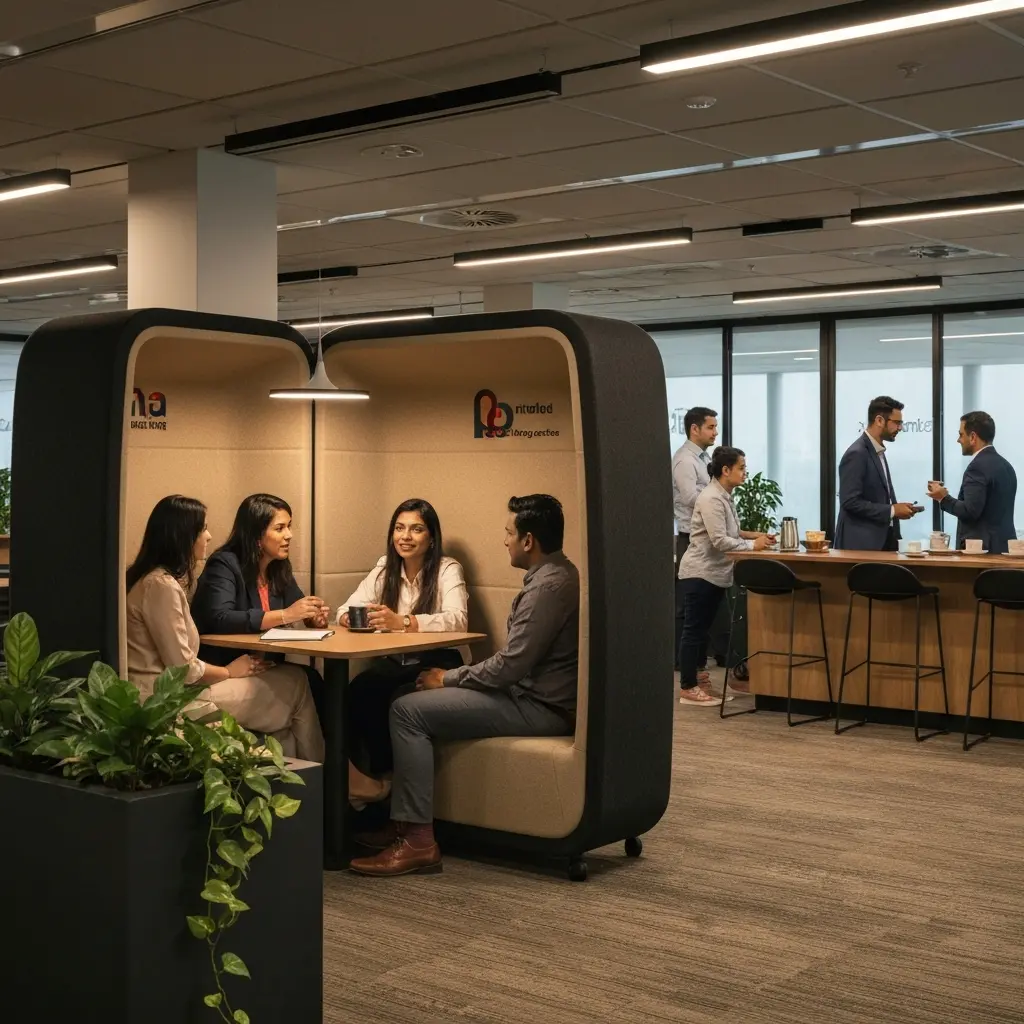
TL;DR: Facing a workspace supply crunch and rising talent demands, growth-focused Indian companies are transforming offices into ‘Internal Brand Experience Centres.’ The goal is to justify presence through high-impact collaboration and mentorship, moving beyond daily desk rentals to foster culture and accelerate business growth.
For Indian founders and branch managers, the fundamental question of ‘why have an office?’ has changed. The traditional answer—providing desks—no longer satisfies teams navigating Chennai’s traffic or justifies the significant capital locked in long-term leases. A new model is emerging, driven by a global supply shortage for premium space and a workforce that seeks purposeful interaction over mandatory attendance. This pivot turns your corporate real estate from a cost centre into a strategic growth engine, an Experiential HQ designed for collective impact.
What is an Experiential HQ?
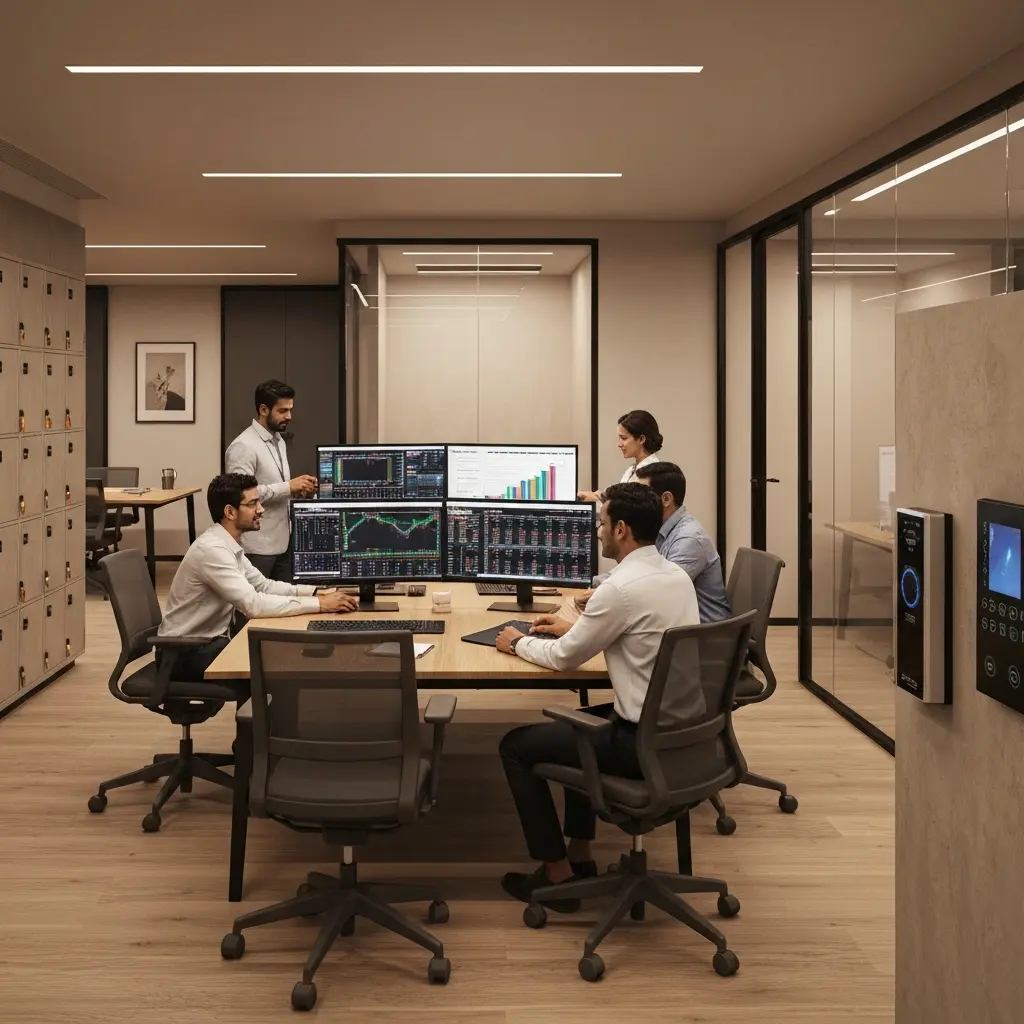
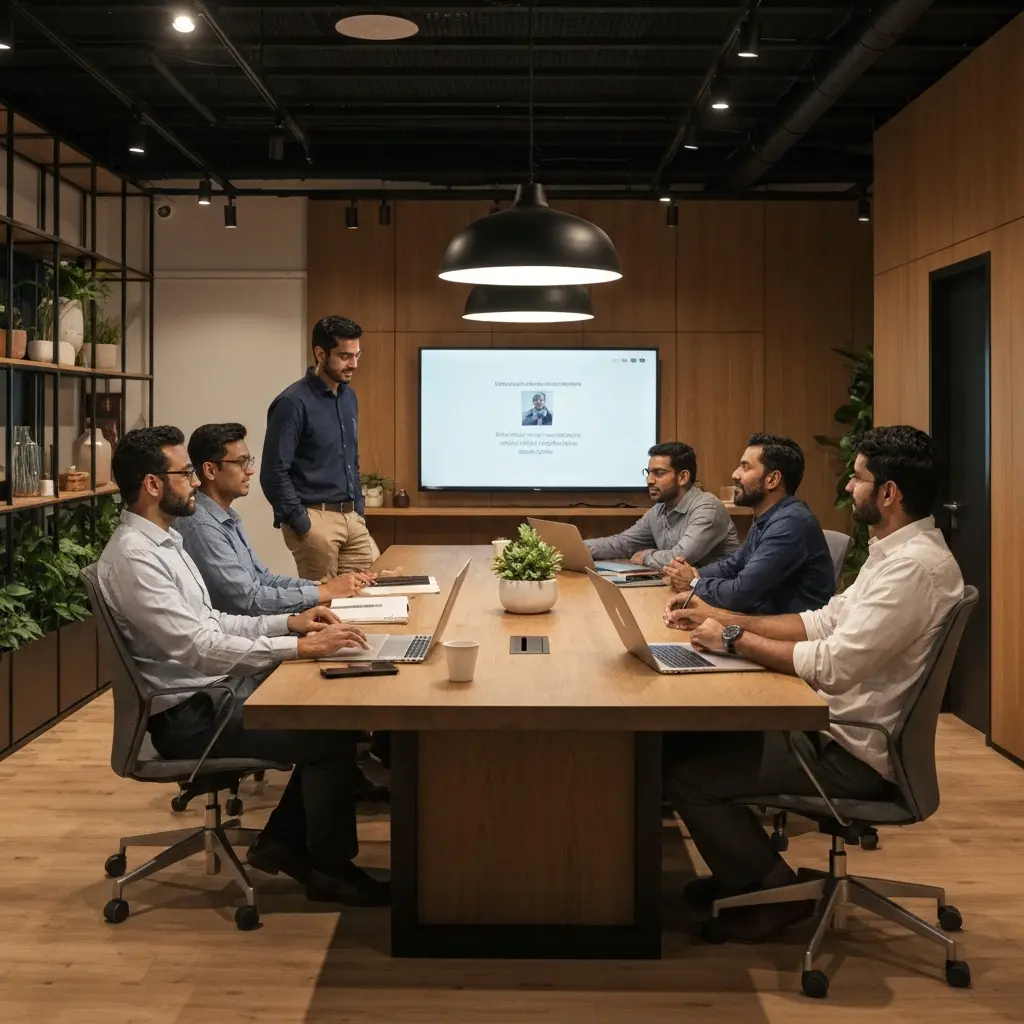
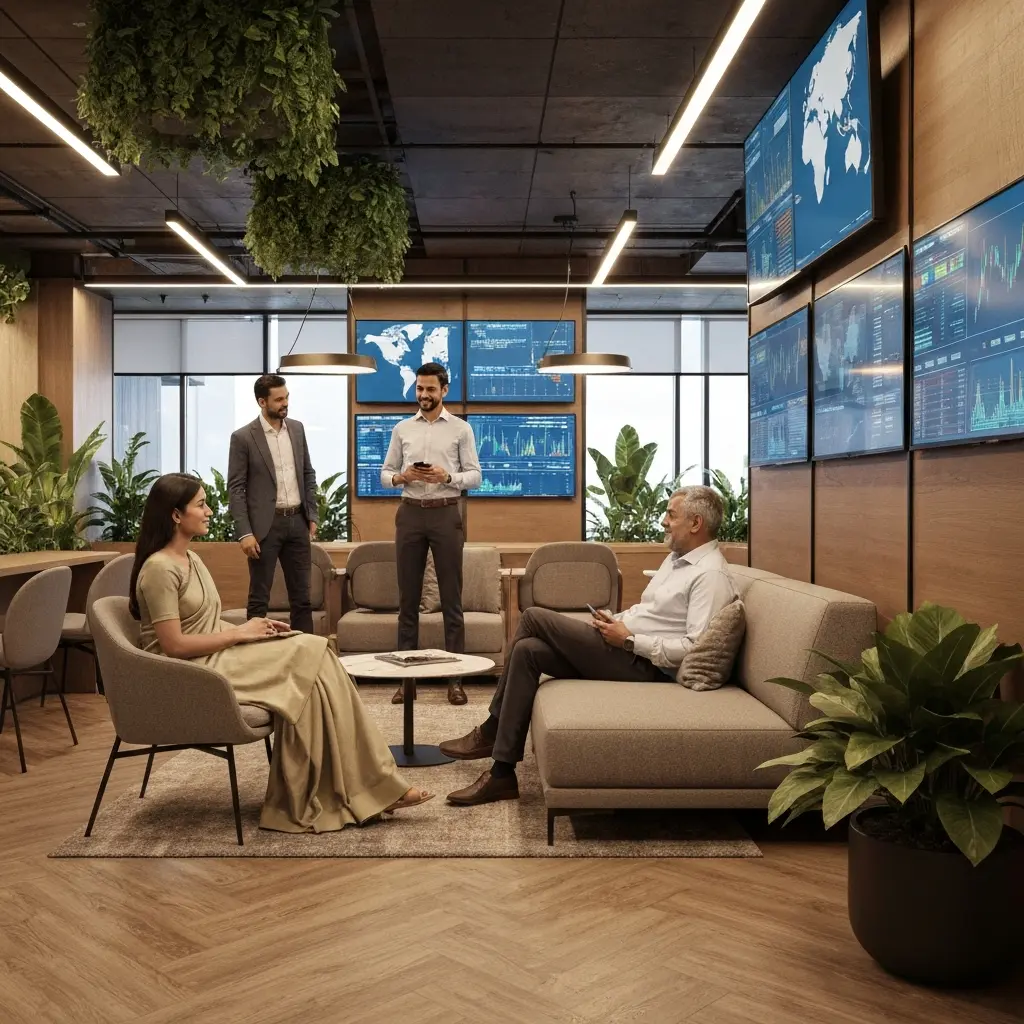
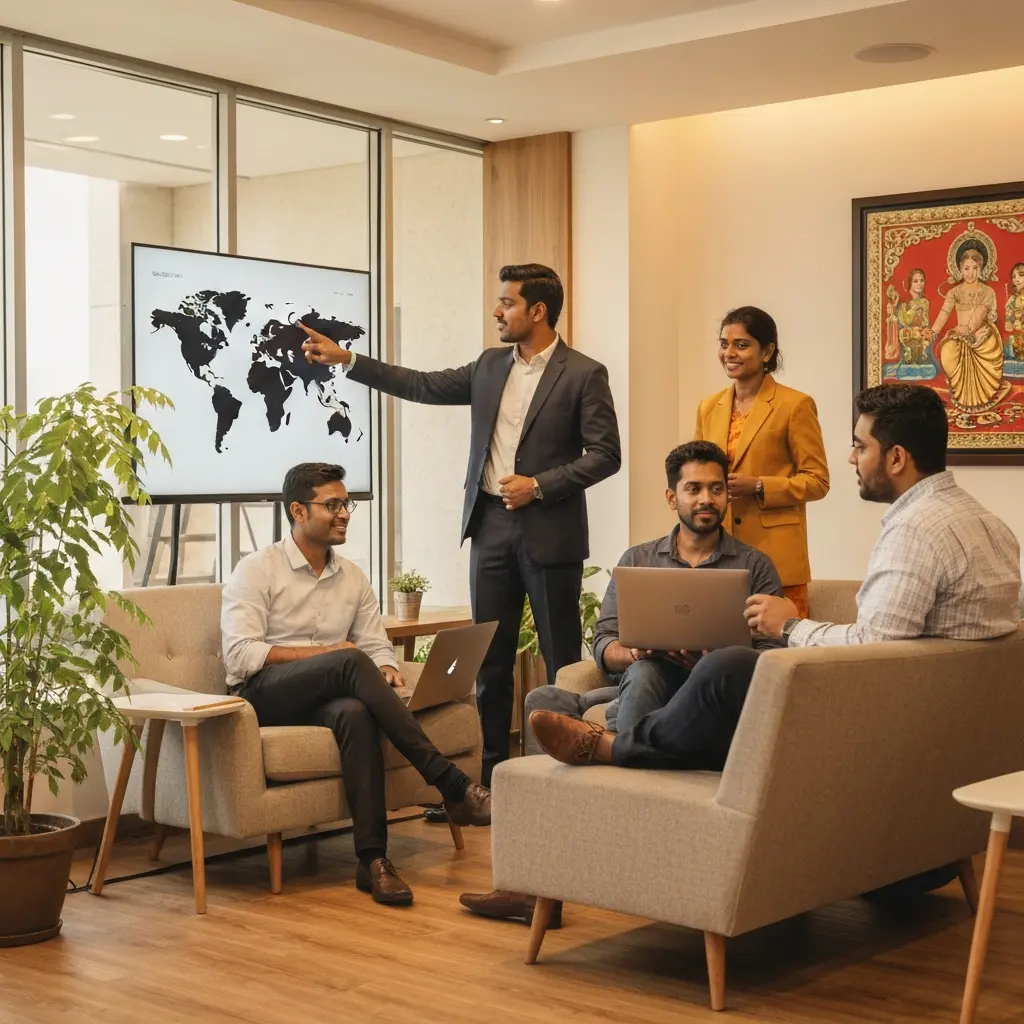
An Experiential HQ is a workspace strategically redesigned to function as an Internal Brand Experience Centre. It moves beyond providing mere square footage to curating high-value, intentional interactions that reinforce company culture, accelerate mentorship, and justify physical attendance. In the Indian context, this means creating a destination that employees choose for its collaborative energy, learning opportunities, and professional networking, rather than being mandated by policy. Success is measured by engagement quality and business outcomes, not daily footfall.
Why the Pivot is Inevitable for Indian Businesses
The data points to a perfect storm converging on corporate real estate strategy. The global construction pipeline for new office space has shrunk dramatically since 2020, creating a supply crunch for the kind of high-quality, experience-ready space this model requires. In India, while vacancy rates may vary by micro-market, the premium segment is tightening. Concurrently, corporate adoption of flexible solutions is mainstream, with over half of major occupiers now using flex space as a core part of their strategy. For an Indian SME, this signals two things: securing a impressive, functional space will become more competitive and costly, and the benchmark for what that space must deliver has been permanently raised.
Crizone Pro Tip: Begin auditing your current office usage. How many hours are spent on solitary tasks versus collaborative sessions, client pitches, or team training? This data is the first step in redesigning your footprint around value, not volume.
A stark ‘Conversion Gap’ further complicates the landscape. Much of the older office inventory in cities is structurally unsuitable for this immersive, tech-enabled pivot. This will widen the rental and prestige gap between premium, experience-ready centres and basic Class B/C buildings. For a growing business, choosing the wrong tier of space could hinder your ability to attract top talent who increasingly view the workplace as a reflection of the company’s ambition and culture.
The New Metrics: From Foot Traffic to Engagement Quality
The old model valued occupancy; the new model values impact. Operators and forward-thinking companies now track ‘dwell time’ in collaboration zones, the relevance of connections made during onsite events, and the success rates of projects incubated through in-person mentorship. This aligns perfectly with the shift in how Indian headquarters are used. Data suggests that by 2026, nearly two-thirds of premium workspace usage will be dedicated to high-value activities like onboarding, strategic decision-making, and leadership development, not individual task work.
For a Chennai-based tech startup, this means your OMR office should be optimised for the weekly product sprint review, the investor showcase, and the new hire integration lunch—not for housing developers who could code more effectively from home. The office becomes an event space for your business’s most critical milestones.
| Traditional Office Metric (Cost Centre) | Experiential HQ Metric (Growth Centre) |
|---|---|
| Cost per square foot (₹) | Return on Experience (ROE) |
| Daily attendance (%) | Quality of collaboration sessions |
| Desk utilisation rate | Mentorship hours delivered |
| Maintenance overheads | Client deals closed onsite |
| Long-term lease liability | Employee retention rate linked to culture |
[Image of a conceptual diagram showing the shift from a traditional cost-centre office model to an Experiential HQ growth-centre model]
Talent Retention: Your Office as a Top-Tier Benefit
Perhaps the most compelling driver for the Experiential HQ is talent strategy. Indian professionals now rank flexibility and office ‘culture-density’ among their primary decision factors, on par with compensation. A significant portion of employees report they would consider leaving a role if forced back to an office that lacks purposeful collaboration. Therefore, internal brand experience design—crafting those meaningful, in-person moments—has become a critical retention tool.
This goes beyond a table tennis table. It’s about creating an environment where serendipitous learning happens, where junior team members can access leaders, and where the company’s values are lived, not just printed on a wall. In a competitive hiring market, your workspace is a tangible expression of your employer brand. A premium flexible workspace like Crizone Business Centre inherently provides this ‘culture-density’ through its professional community and curated environment, saving you the immense capital expenditure of building it yourself.
Is ‘Flex-as-a-Service’ the Sustainable Model for India?
The financial case is strengthening. The ‘Flex-as-a-Service’ model, where companies access premium, experience-rich workspace as an operational expense, is reaching profitability faster by focusing on the premium professional segment. For an Indian business, this model converts the large, unpredictable capital outlay of a traditional lease (security deposits, fit-outs, furniture) into a predictable monthly cost. It also provides the agility to scale team size up or down without penalty—a crucial advantage during project cycles or India’s festive season downtimes.
Consider the cash flow impact for an SME:
| Traditional Office in Chennai (1000 sq. ft) | Flex-as-a-Service Membership (10 Dedicated Desks) |
|---|---|
| Security Deposit: ₹ 5-10 Lakhs (refundable) | Security Deposit: Typically 1 month fee |
| Monthly Rent: ₹ 1.5 - 2.5 Lakhs | All-inclusive Monthly Fee: ~₹ 1.2 - 1.8 Lakhs |
| Fit-out & Furniture: ₹ 10-15 Lakhs (capex) | Premium Fit-out & Furniture: Included |
| Maintenance & AMC: Additional ₹ 20-40k/month | Maintenance, IT, Housekeeping: Included |
| Administrative Overhead: HR/IT to manage | Professional Admin & IT Support: Included |
This operational model directly supports the Experiential HQ by providing a ready-made, high-impact environment. You gain a prestigious address, top-tier meeting rooms for client presentations, and networking opportunities without the burden of operations, allowing leadership to focus entirely on business growth.
The 2026 Outlook for Indian Workspace Strategy
The trajectory for India’s corporate real estate is clear. The flight to quality will intensify, with demand concentrating on spaces that can deliver exceptional experience and flexibility. We predict a sharper divide between basic utility space and premium ‘Experience Centres.’ Indian corporates, especially in tech, finance, and consulting, will lead this charge, repurposing their HQs into hubs for collective value. The role of the branch or satellite office will also evolve, acting as a localised culture and collaboration outpost rather than a full-scale replication of headquarters. Providers that successfully offer this ‘Flex-as-a-Service’ experience, with a focus on community and professional growth, will capture disproportionate market share.
Key Takeaways for Indian Business Leaders
- Redefine your office’s purpose from a place of work to a platform for high-impact interactions: mentoring, onboarding, and strategic collaboration.
- Measure success by engagement quality (deal flow, project velocity) not just seat occupancy.
- Recognise that your workspace is a powerful talent retention and employer branding tool; invest in its experiential quality.
- Consider the ‘Flex-as-a-Service’ model to access premium experiences with financial agility and operational simplicity.
- Start planning now. The supply of suitable premium space is tightening, and early adoption provides a competitive edge in attracting and retaining top talent.
Conclusion
The evolution from a traditional office to an Experiential HQ is not merely a trend; it is a strategic realignment of real estate with business growth and human capital objectives. For the ambitious Indian entrepreneur or branch manager, it represents an opportunity to unlock value, strengthen culture, and build a more resilient organisation. It moves the conversation from cost per square foot to value per interaction. This shift requires a partner that provides not just space, but the infrastructure for meaningful professional experiences. At Crizone Business Centre, we design our environments and communities to be that growth partner, offering Chennai’s businesses a premium, flexible foundation from which to build their own Internal Brand Experience Centre.
Continue your workspace search
Explore the most relevant Crizone pages next
If this article is part of your Chennai workspace research, these pages help you move from reading into comparing live plans, locations, and fit.
Explore coworking plans in Chennai
Compare day passes, dedicated desks, private offices, meeting rooms, and virtual office options from one commercial hub page.
Book a day pass in Chennai
Best fit if you need occasional workspace access, a short productive break from home, or a flexible desk for a single day.
Compare dedicated desk options
A stronger fit for regular monthly use when you want a fixed seat, better routine, and predictable workspace costs.