· Business Growth & Workspace · 6 min read
Asset-Light Strategy: Why Top Indian Firms are Pivoting to Flex Workspaces
Learn how the 2026 balance sheet pivot, driven by rising costs and debt, is making managed flex hubs the smart choice for Indian business growth and agility.
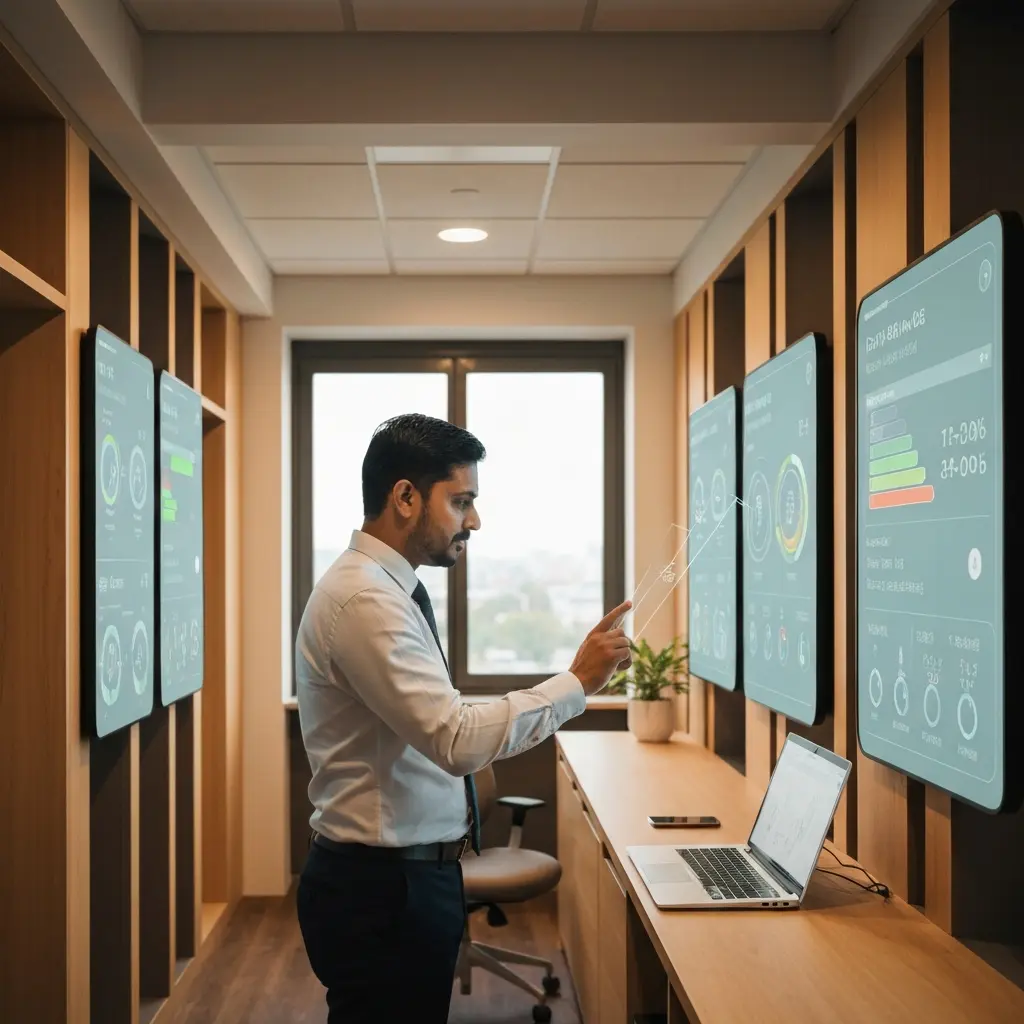
TL;DR: By 2026, rising construction costs and significant commercial debt are compelling businesses to adopt an Asset-Light Real Estate Strategy. This pivot from fixed leases to flexible, managed hubs offers Indian firms crucial agility and 25%+ savings on occupancy costs, enabling smarter growth.
Introduction: The New Calculus for Indian Business Growth
For the ambitious Indian entrepreneur, founder, or branch manager, the traditional office lease has become a strategic bottleneck. The calculus has changed: locking capital into long-term rentals, hefty security deposits, and expensive fit-outs in a city like Chennai restricts cash flow needed for talent, marketing, and innovation. Simultaneously, the global commercial real estate sector faces a ‘perfect storm,’ with $1.5 trillion in debt maturing and construction costs soaring 40% above 2020 levels. This financial pressure is catalysing a decisive shift towards an Asset-Light Real Estate Strategy, where operational agility triumphs over fixed asset ownership. For Indian businesses, this isn’t just a global trend; it’s a local imperative for sustainable growth, allowing leaders to invest resources back into their core business rather than their postal code.
What is an Asset-Light Real Estate Strategy?
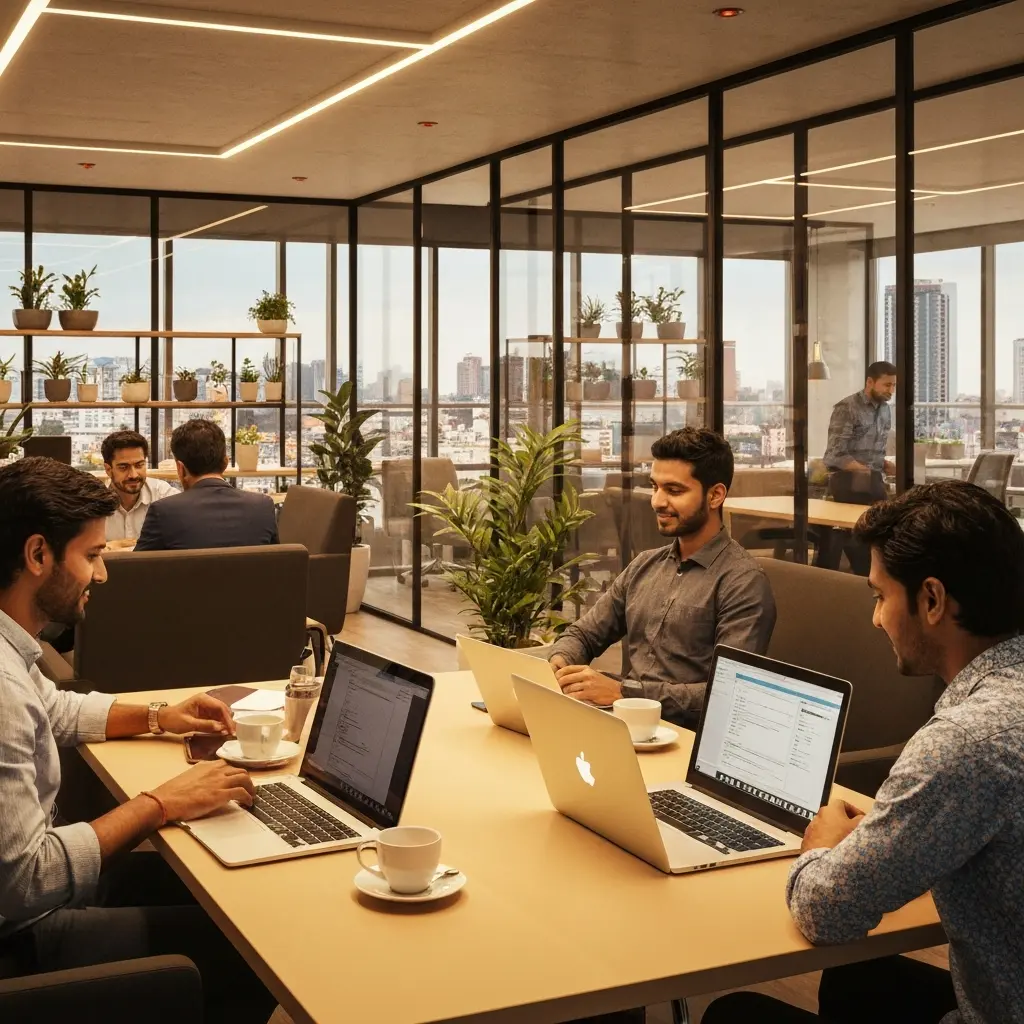
An Asset-Light Real Estate Strategy is a financial and operational model where a company minimises its ownership of long-term, capital-intensive property leases. Instead, it utilises flexible, managed workspace solutions—like premium business centres and coworking hubs—on operational expenditure (OPEX) terms. This approach converts fixed real estate costs into variable, scalable expenses, providing businesses with the agility to expand, contract, or pivot without the burden of traditional 10-year lease commitments and their associated fit-out liabilities.
The Financial Imperative: De-risking Your Balance Sheet
The primary driver for this shift is stark financial logic. Enterprise tenants globally report average savings of 25% on total occupancy costs by opting for flexible terms over traditional leases. For an Indian SME, this directly translates to preserved capital. Consider the upfront costs of a traditional private office in a Chennai business district:
| Cost Factor | Traditional Office (Annual) | Managed Flex Hub (Annual) |
|---|---|---|
| Base Rent & Deposit | ₹ 8-12 Lakhs + 10-month deposit | ₹ 6-9 Lakhs (all-inclusive, no large deposit) |
| Furniture & Fit-Out | ₹ 3-5 Lakhs (CAPEX) | ₹ 0 (Included) |
| Maintenance & AMC | ₹ 1-2 Lakhs | ₹ 0 (Included) |
| Admin & Front Desk | ₹ 4-6 Lakhs (Salary) | ₹ 0 (Included) |
| Total Potential Outlay | ₹ 16-25 Lakhs | ₹ 6-9 Lakhs |
Crizone Pro Tip: An asset-light model isn’t just about saving rupees. It’s about strategic financial de-risking. By avoiding multi-crore, long-term liabilities, you protect your company from market downturns and maintain the liquidity needed to seize new opportunities, whether that’s hiring a key sales head or launching a new service line before Diwali.
Furthermore, with fit-out costs inflating rapidly, the ‘plug-and-play’ nature of a premium managed office becomes the only viable option for rapid, de-risked expansion into new markets like Coimbatore or Hyderabad, without the project management headaches.
The Operational Advantage: Built for the Indian Hybrid Reality
Financials enable the strategy, but operational benefits drive adoption. The modern Indian workplace is hybrid, and talent expects flexibility. A staggering 65% of new enterprise flex memberships now support the ‘work-near-home’ model, with hubs located within a 15-minute commute. This is a powerful tool for talent retention and recruitment in cities like Chennai, where avoiding OMR traffic is a genuine quality-of-life benefit.
[Image of a professional infographic showing a Hub-and-Spoke model: A central ‘Hub’ office connected to several smaller ‘Spoke’ flex spaces across a city map, reducing commute times.]
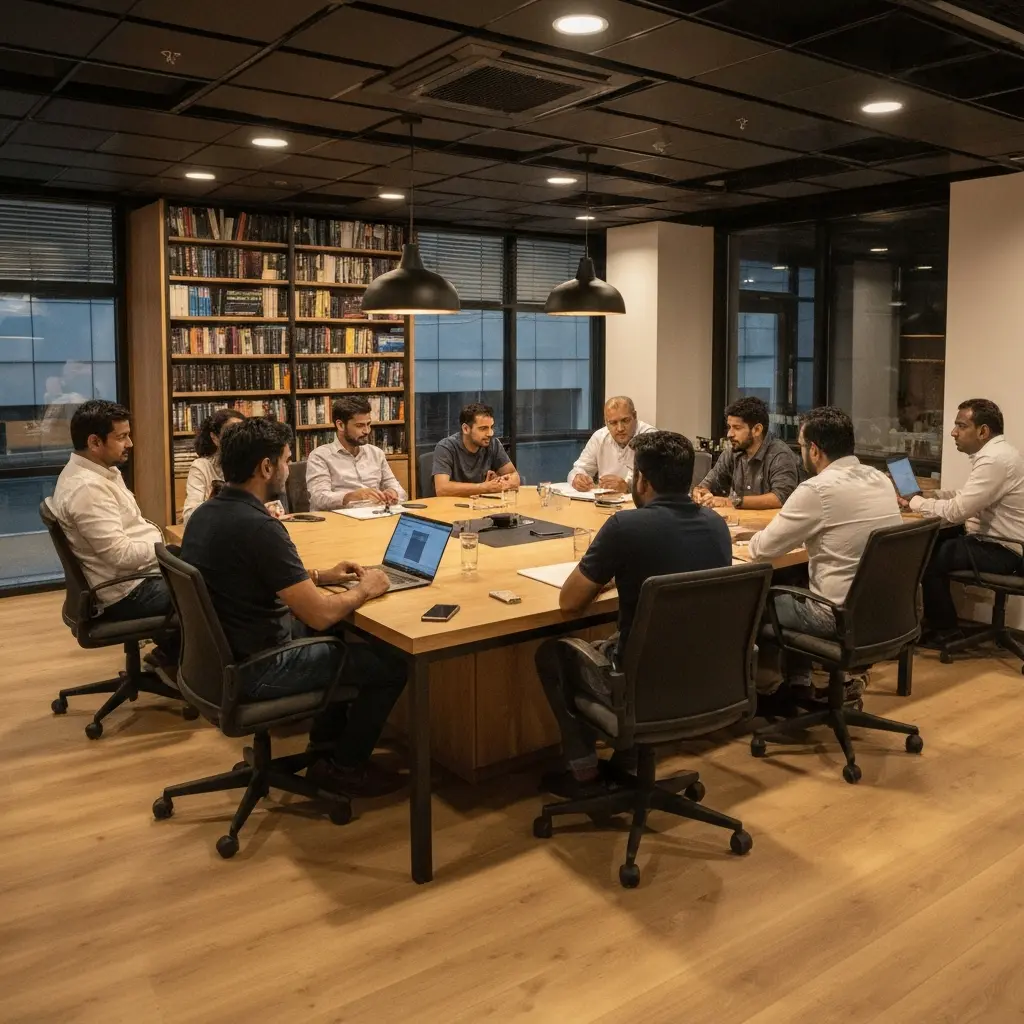
This model also aligns with how teams actually work. Meeting room occupancy in flex hubs has hit 65%, as distributed teams use these professional spaces for crucial ‘synchronization days,’ client meetings, and collaborative workshops that cannot happen effectively over video calls.
Manager Insight: “Our team is scattered, but we need a professional, reliable base in Chennai for client pitches and monthly planning. A managed hub gives us that address and infrastructure on demand, without the fixed cost of an empty office for 25 days a month.” – Tech Startup Founder.
Is an Asset-Light Strategy Right for Your Growth Phase?
This pivot isn’t exclusive to large corporations. Indian SMEs and startups are ideal candidates. The strategy offers precise scaling: you can start with a dedicated desk for your founder, expand to a private team suite as you hire, and even access premium meeting rooms for board discussions—all within the same ecosystem. The demand for private enterprise suites now outpaces open-plan seating 3:1, reflecting the need for security and focus within a vibrant community.
For branch managers of larger firms, it solves the challenge of establishing a light-footprint sales or service office in a new city without navigating local real estate laws, GST implications for commercial property, and the logistical nightmare of setting up utilities and internet in a traditional space.
The 2026 Outlook for Indian Workspaces
The trajectory is clear. The global flexible workspace market, now valued at $29 billion, is propelled by this fundamental shift. In India, we will see this accelerate through 2026. Expect more Grade-A commercial landlords to offer ‘Management Agreements’ to operators of premium business centres, creating a wider network of high-quality, flexible options. The focus will intensify on curated communities, well-being amenities to combat humid weather, and technology integration that makes the physical office an indispensable tool for connection and culture, not just a cost centre.
Key Takeaways for Indian Business Leaders
- Preserve Capital: Convert large, fixed real estate CAPEX into manageable, scalable OPEX, freeing up lakhs for core business investment.
- Gain Strategic Agility: Scale your team up or down with minimal notice period and zero real estate penalty, responding to market cycles.
- Win the Talent War: Offer the ‘work-near-home’ hub model as a key benefit, reducing commute stress and attracting top talent.
- Expand with Confidence: Enter new cities or micro-markets with a turnkey, professional presence, avoiding the risks and delays of traditional lease fit-outs.
- Future-Proof Your Operations: Align your company with the global shift towards flexible, managed portfolios, making your business more resilient and adaptable.
Conclusion
The 2026 balance sheet pivot is more than a trend; it’s a fundamental re-evaluation of real estate as a strategic tool. For the growth-focused Indian business, embracing an asset-light strategy through a premium managed workspace is a decisive step towards efficiency, agility, and smarter scaling. It allows leadership to focus on building their business, not just managing their office. For those looking to make this strategic shift in Chennai, a partner like Crizone Business Centre provides the premium, flexible infrastructure and calm efficiency needed to support your next phase of growth.
Continue your workspace search
Explore the most relevant Crizone pages next
If this article is part of your Chennai workspace research, these pages help you move from reading into comparing live plans, locations, and fit.
Explore coworking plans in Chennai
Compare day passes, dedicated desks, private offices, meeting rooms, and virtual office options from one commercial hub page.
Book a day pass in Chennai
Best fit if you need occasional workspace access, a short productive break from home, or a flexible desk for a single day.
Compare dedicated desk options
A stronger fit for regular monthly use when you want a fixed seat, better routine, and predictable workspace costs.