· Business Growth & Workspace · 5 min read
Coworking 2026: Peer Mentorship & Niche Socials Drive Retention
In 2026, coworking's value lies not in desks but in curated support ecosystems. Learn how peer mentorship and activity-based socials drive retention and growth for Indian businesses.
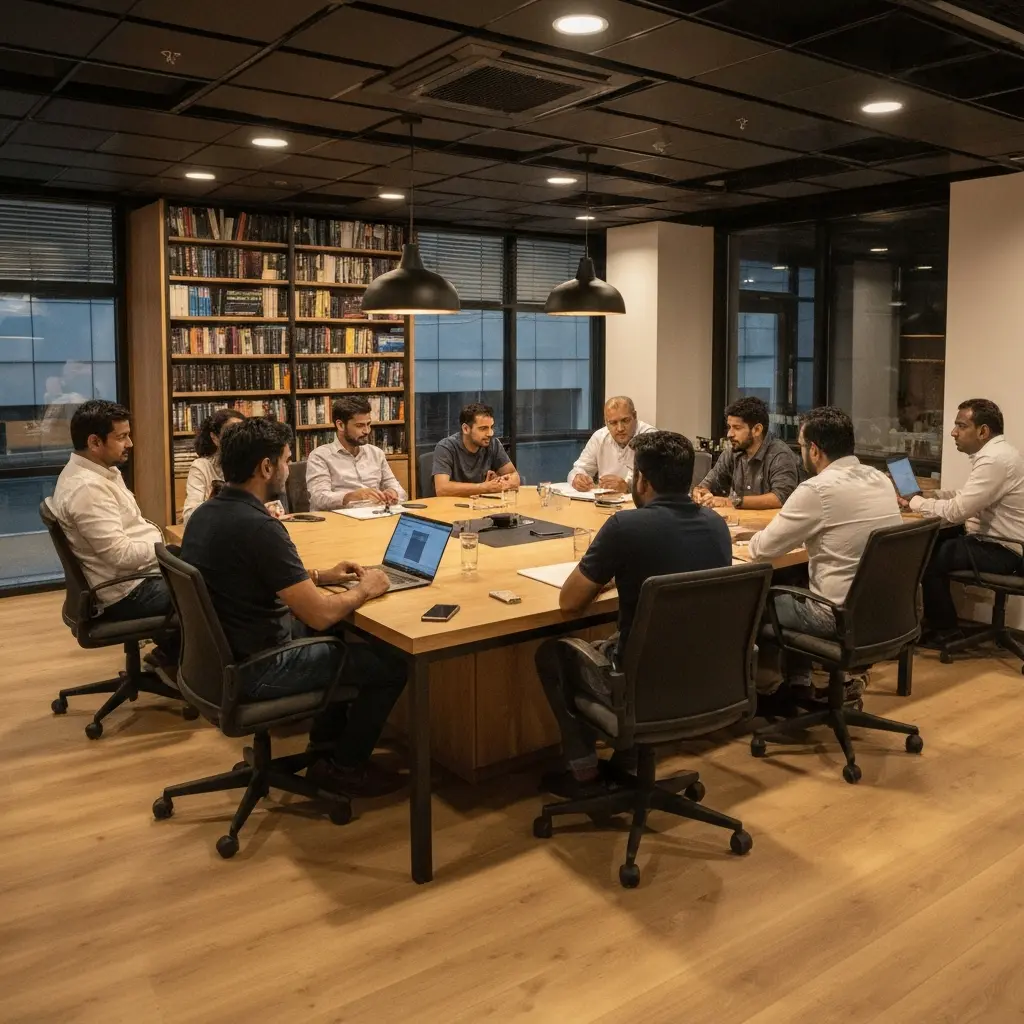
TL;DR: The 2026 workspace standard is a relational support ecosystem, not transactional desk rental. Coworking member retention is driven by curated peer-to-peer mentorship and hyper-niche social programming, directly boosting business growth and reducing churn for Indian entrepreneurs.
For the modern Indian entrepreneur, the workspace equation has fundamentally changed. Beyond escaping OMR traffic or managing GST compliance, the core challenge is sustainable growth in a competitive landscape. The traditional lease locks capital and limits agility, while the early coworking model offered little more than a Wi-Fi-enabled desk. The new demand, especially in cities like Chennai, is for an environment that actively accelerates business outcomes. Members now prioritise high-value professional development and curated networks over mere cost-saving, a trend driving a 22% rise in premium facility demand. The 2026 retention gold standard has pivoted to building intentional support ecosystems.
What is the Support Ecosystem Pivot in Coworking?
The Support Ecosystem Pivot is the strategic shift by workspace operators from providing a transactional commodity (space and utilities) to architecting a relational environment that fosters business growth. It replaces generic networking with curated, peer-to-peer mentorship and hyper-niche, activity-based social programming. The goal is to move beyond occupancy to cultivate member performance, satisfaction, and loyalty by professionally building social capital within the community.
Why Generic Networking Fails and Niche Connections Win
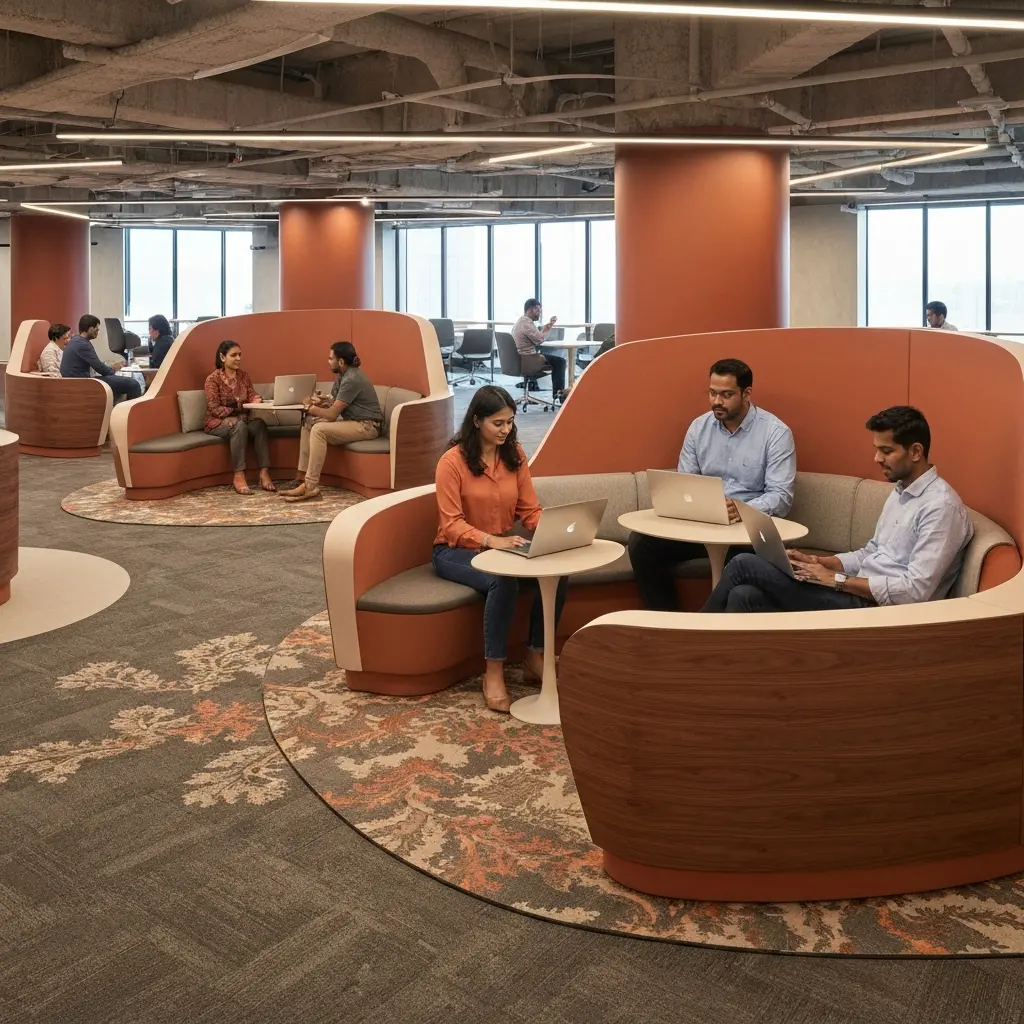
Broad, impersonal mixers in beige conference rooms have diminishing returns. For an SME founder, time spent at an unfocused event is time away from critical business operations. The 2026 landscape favours ‘Activity-Based Socials’ like netwalking in Chennai’s early mornings or dedicated coding sprints, which provide a shared purpose that naturally fosters deeper connections. Hyper-niche events targeting specific groups—such as ‘D2C founders navigating Indian logistics’—report higher attendance and far superior connection quality.
This shift addresses a core Indian business reality: trust is built through shared context and challenges. A referral from a trusted peer within your niche carries immense weight, converting at rates 5x higher than leads from digital ads. For a Crizone member, this means their network isn’t just larger; it’s more relevant and reliable.
Crizone Pro Tip: When evaluating a workspace, ask for their event calendar from the previous quarter. Look for specialised workshops or niche roundtables, not just monthly cocktail mixers. Quality over quantity indicates a mature community strategy.
Measuring Value: From Occupancy Rate to Social Capital ROI
Progressive operators now measure a new metric: Social Capital ROI. This quantifies the financial return generated by a skilled Community Manager—or ‘Social Capital Architect’—through increased retention and referrals. Data shows community-active members have 30% higher retention, directly reducing churn costs and the heavy customer acquisition cost (CAC) burden on Indian startups.
Consider the financial impact. Retaining a member is significantly cheaper than acquiring a new one. When a member refers another high-quality lead, the operator’s sales cost plummets. This financial efficiency allows centres like Crizone to reinvest in better amenities and more curated programming, creating a virtuous cycle of value.
| Cost Factor | Traditional Sales/Advertising Lead | Member-to-Member Referral Lead |
|---|---|---|
| Average Cost per Lead | High (₹₹₹₹) | Negligible |
| Lead Conversion Rate | Industry Standard | Up to 5x Higher |
| Member Quality & Fit | Variable | Typically High |
| Long-term Retention Potential | Standard | Significantly Enhanced |
Building a Support Ecosystem: The Role of Peer Mentorship
Major global operators now structure mentorship into their value proposition. This is crucial in India, where navigating regulations, funding, and scaling presents unique hurdles. Peer mentorship within a workspace provides real-time, empathetic support that generic business advice cannot. Research confirms that this social support directly boosts member performance satisfaction, especially under the high pressure of tight deadlines or funding rounds.
The community manager’s role evolves from event planner to connector, strategically introducing members who can solve each other’s problems—be it a legal query, a software recommendation, or a market entry strategy. This curated support network becomes an invaluable, non-billable resource for every member, embedding their business success within the fabric of the workspace itself.
[Image of a conceptual diagram showing Social Capital ROI] An illustration showing inputs (Community Manager effort, curated events) leading to outputs (higher retention, quality referrals) and the ultimate business outcome of reduced CAC and increased revenue.
The 2026 Outlook for Indian Workspaces
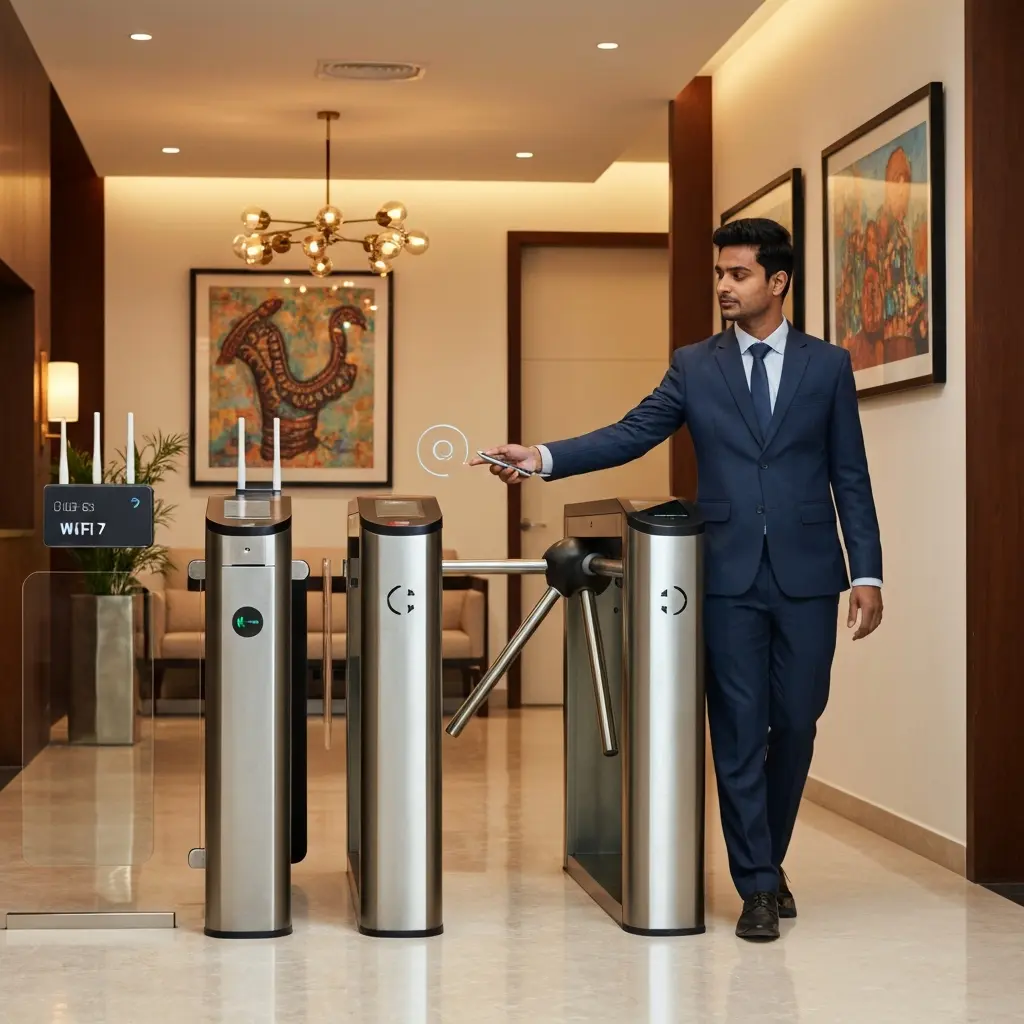
The Indian flexible workspace market will deepen its segmentation in 2026. While budget options will exist, growth will concentrate on premium operators who master the ecosystem model. Expect hyper-niche programming to become commonplace, and hybrid networking—integrating digital tools like NFC business cards for those in hybrid work models—to be seamless. The workspace will be judged not on its coffee, but on the calibre of its connections and the tangible growth support it provides. Operators who fail to professionalise community building will compete solely on price, a race to the bottom.
Key Takeaways for Indian Business Leaders
- Evaluate Community, Not Just Chairs: Prioritise workspaces that demonstrate a curated, active community with niche events over those with only generic networking.
- Seek Structured Serendipity: The best connections are facilitated, not left to chance. Look for operators with community managers who actively connect members.
- Calculate Total Value: Factor in the potential revenue from high-conversion referrals and the cost savings from increased team retention when comparing workspace options.
- Demand Hybrid-Ready Spaces: Ensure your chosen centre can seamlessly integrate digital touchpoints for networking, catering to your hybrid or remote team members.
- Think Ecosystem, Not Expense: View your workspace membership as an investment in your company’s support network and growth infrastructure, not just a real estate cost.
Conclusion
The trajectory is clear: the highest-value workspaces of 2026 will be those that consciously build social capital and function as a growth partner for their members. It is a shift from providing a service to cultivating an ecosystem where business challenges are met with peer-supported solutions. For founders, freelancers, and managers in Chennai, this means choosing a workspace that understands this pivotal role. At Crizone Business Centre, we are architecting this precise support ecosystem, curating the connections and mentorship opportunities that transform a workplace into a launchpad for your next phase of growth. Discover a community designed for your success.
Continue your workspace search
Explore the most relevant Crizone pages next
If this article is part of your Chennai workspace research, these pages help you move from reading into comparing live plans, locations, and fit.
Explore coworking plans in Chennai
Compare day passes, dedicated desks, private offices, meeting rooms, and virtual office options from one commercial hub page.
Book a day pass in Chennai
Best fit if you need occasional workspace access, a short productive break from home, or a flexible desk for a single day.
Compare dedicated desk options
A stronger fit for regular monthly use when you want a fixed seat, better routine, and predictable workspace costs.