· Business Growth & Workspace · 7 min read
Autonomous Facility Intelligence: The 2026 Workspace Growth Engine
Discover how Autonomous Facility Intelligence and Edge IoT are transforming workspaces into intelligent growth partners, offering Indian businesses unprecedented efficiency, security, and scalability in 2026.
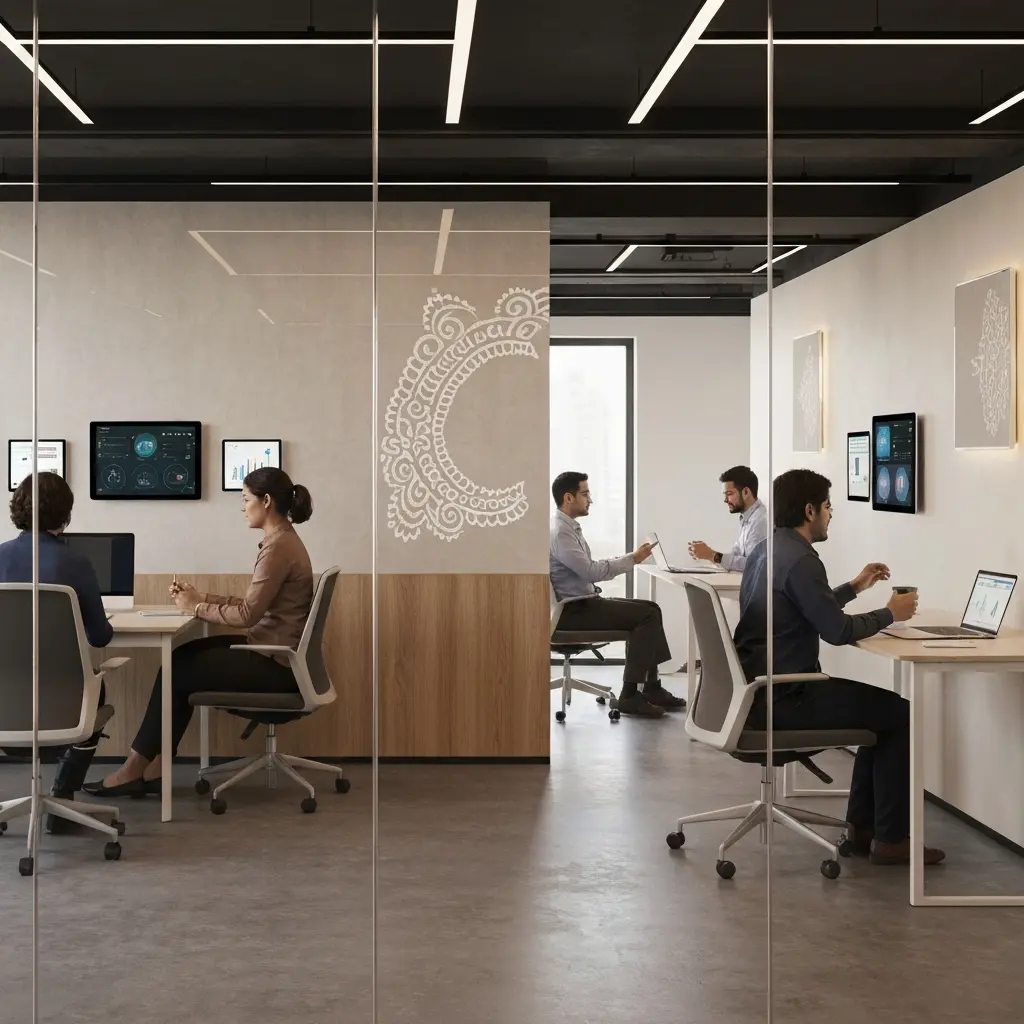
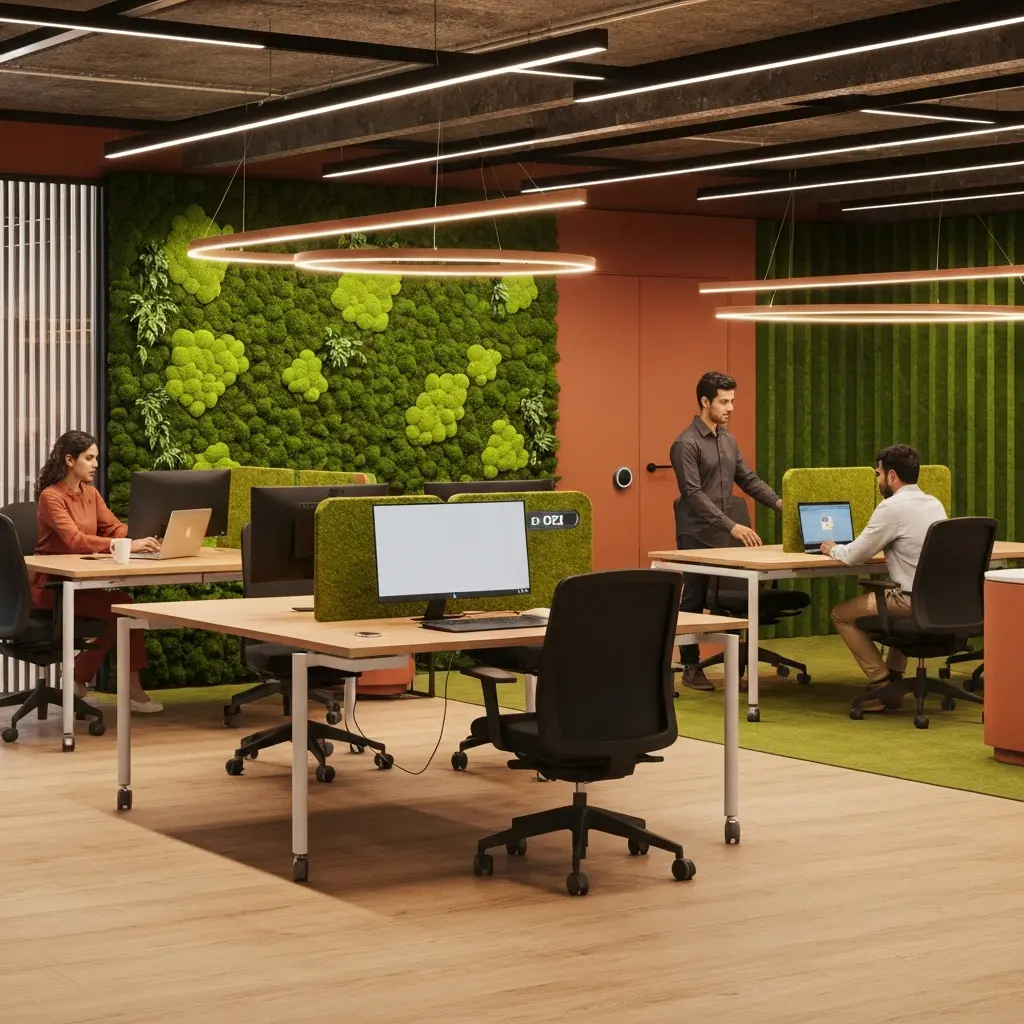
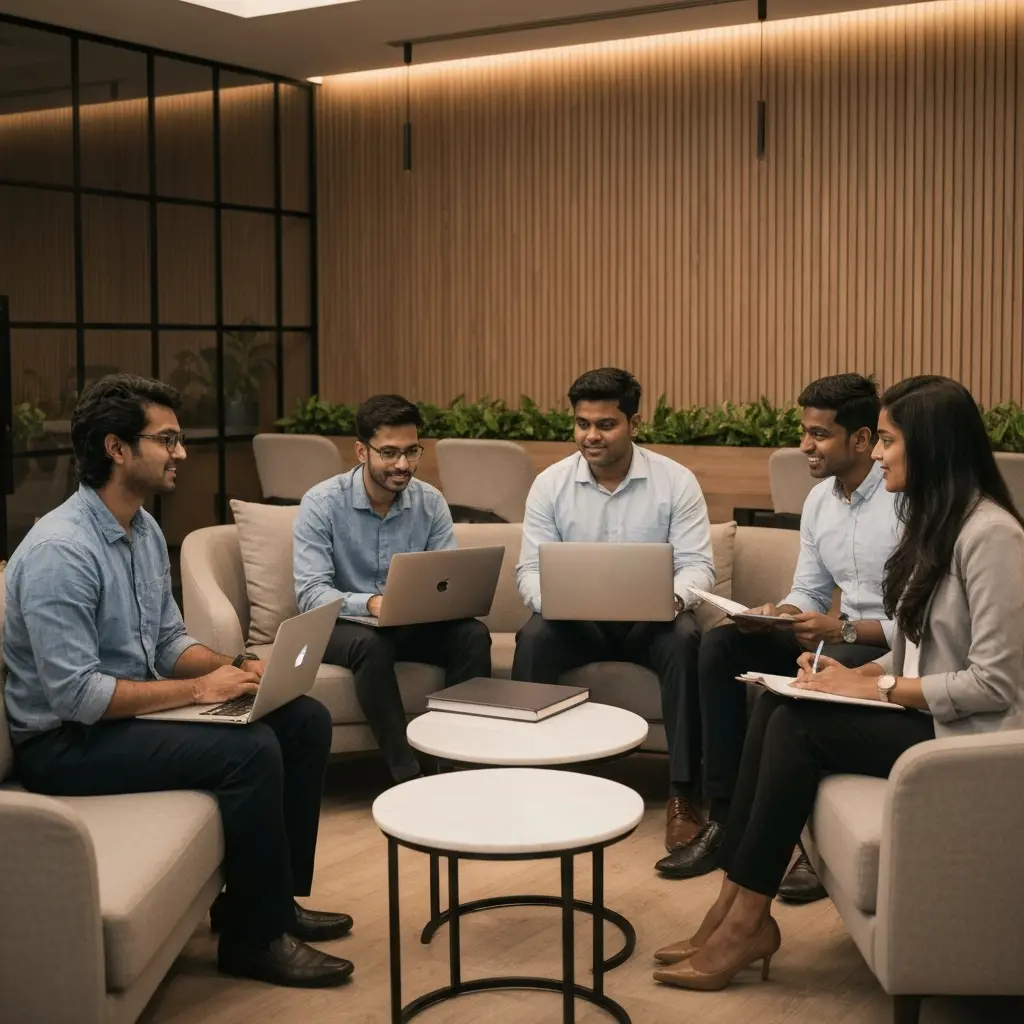
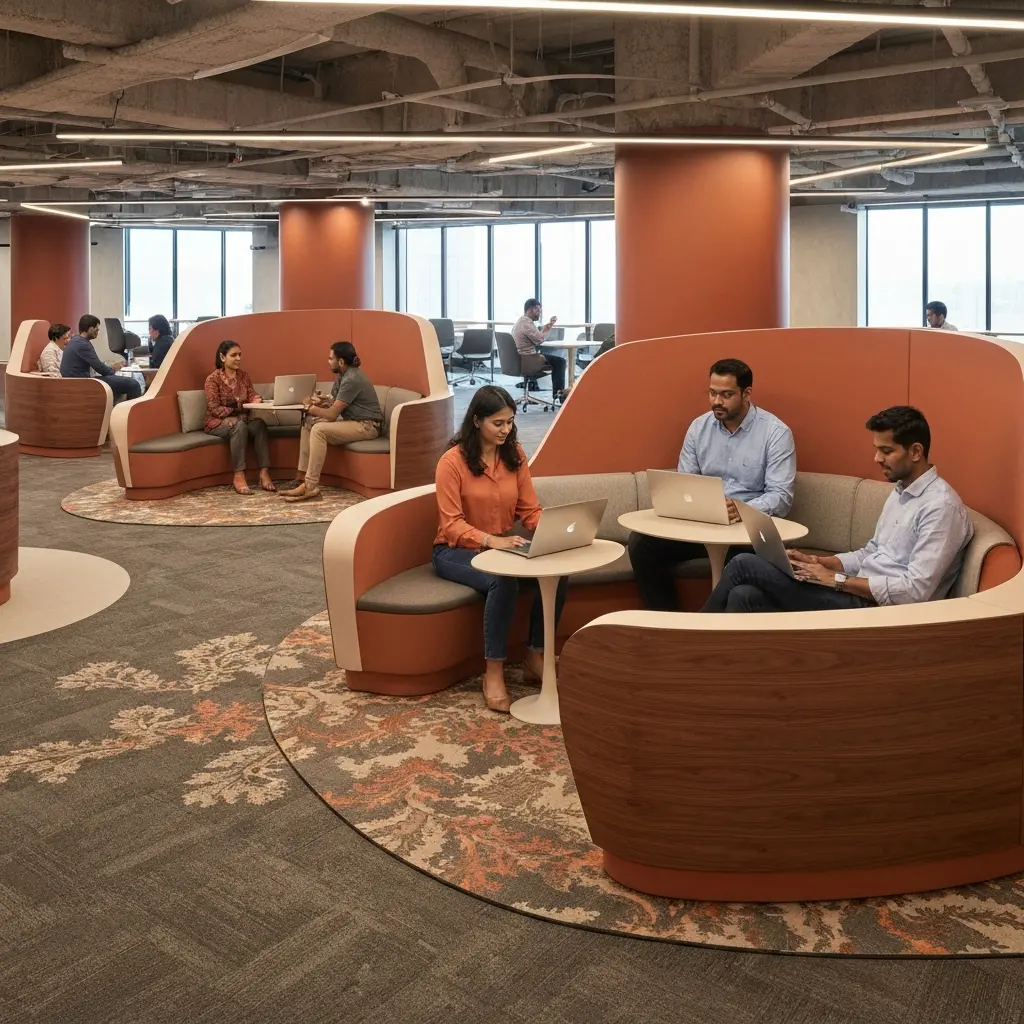
TL;DR: The 2026 workspace is defined by Autonomous Facility Intelligence (AFI), a self-optimising system using Edge IoT to manage everything from security to energy. This shift, driven by a 30% technical skills gap, creates predictable costs, seamless scalability, and stronger security, making workspaces intelligent partners in business growth.\n\nThe operational overhead of a traditional office is a well-known friction point for growing Indian businesses. Between navigating Chennai’s OMR traffic, managing opaque utility bills, and handling GST-compliant vendor payments for facility upkeep, valuable energy is diverted from core business priorities. This friction is why 55% of corporations globally now treat flexible workspace as a core real estate strategy. The market is shifting from providing mere space to offering a frictionless flex—a seamless, intelligent environment where operational burdens are managed autonomously. In 2026, this intelligence is no longer aspirational; it is operational, driven by Autonomous Facility Intelligence.\n\n## What is Autonomous Facility Intelligence?\n\nAutonomous Facility Intelligence (AFI) is an integrated ecosystem of prescriptive AI, Edge IoT sensors, and automated workflows that manages a workspace’s core operations—energy, security, maintenance, and space utilisation—with minimal human intervention. Think of it as an intelligent, self-healing nervous system for your business environment. It moves beyond simple automation by learning patterns, predicting failures before they happen, and prescribing actions, all processed locally on-site for speed and security. For the Indian business owner, this means the workspace itself becomes a predictable, efficient asset that actively supports growth rather than creating administrative drag.\n\n## How Does This Directly Cut Costs and Create Predictability?\n\nFor Indian SMEs and founders, financial predictability is paramount. AFI directly tackles the largest and most volatile operational cost centres. Occupancy-linked IoT systems now reduce utility overheads by an average of 22% by ensuring lighting and air conditioning operate optimally only where and when needed—a critical saving as energy prices rose 4% year-over-year into late 2025. Predictive maintenance, powered by AI analysis of equipment data, schedules repairs before breakdowns occur, avoiding costly downtime and emergency technician calls, especially during peak Chennai summer months.\n\n> Manager Insight: “The most significant cost for a traditional office isn’t just the rent; it’s the hidden tax of management time. AFI converts that variable cost into a fixed, predictable operational expense, freeing founders to focus on revenue.”\n\nThis operational efficiency is a key driver behind the sector’s improved financial health, with 54% of spaces globally now reporting consistent profitability. The financial contrast between a traditional setup and an intelligently managed flexible space is stark.\n\n| Cost Factor | Traditional Chennai Office (500 sq. ft) | Intelligent Flexible Workspace Solution |\n| :--- | :--- | :--- |\n| Monthly Base Rent | ₹ 65,000 - ₹ 85,000 + 18% GST | From ₹ 25,000 for a dedicated desk (all-inclusive) |\n| Security Deposit | 6-10 months rent (₹ 4-8 Lakhs, locked capital) | Typically 1 month’s fee |\n| Maintenance & AMC | ₹ 8,000 - ₹ 15,000/month (variable, separate contracts) | Included in membership fee |\n| Utilities (AC/Power) | ₹ 12,000 - ₹ 20,000/month (fluctuates with usage) | Included in membership fee |\n| Admin/Management Time | High (dealing with landlords, vendors, bills) | Minimal to none (managed by AFI) |\n\n[Image of Cost Comparison Graph: Traditional Office vs. AFI-Managed Flex Space showing 12-month total cost of ownership]\n\n## Does “Elastic” Space Strategy Offer Real Agility?\n\nAbsolutely. Growth for Indian businesses is rarely linear; it spikes during project deliveries, festive season campaigns, or after funding rounds. Elastic Portfolio Strategies allow enterprise tenants to dynamically adjust their occupied footprint by 15-20% during peak months using real-time spatial data. This means a team of 10 can seamlessly access resources for 12 without renegotiating leases or committing to long-term square footage they don’t need.\n\nThis agility is powered by Intent-Based Scheduling. With member consent, AI analyzes project calendars to suggest optimal days for cross-team collaboration in meeting rooms or to block out quiet hours for deep work, maximising the productivity of the space itself. Furthermore, Digital Key systems for self-guided tours have increased conversion rates by 25%, allowing prospects to experience the space on their schedule, removing the friction of coordinating with a community manager—a boon for busy founders.\n\n> Crizone Pro Tip: “When evaluating a workspace, ask about their technology stack’s flexibility. Can it scale with you during a product launch? True flexibility is measured in digital, not just physical, terms.”\n\n## Why is Edge IoT the New Baseline for Security & Reliability?\n\nIn an era of increasing cyber threats, data security is non-negotiable. Edge IoT processing has become the 2026 baseline. By moving access control and sensor data processing from the cloud to local devices (like the door reader itself), entry latency is reduced to under 100ms, and sensitive data never traverses the public internet, significantly mitigating breach risks. This local processing also ensures operations continue uninterrupted during internet outages—critical for maintaining professionalism during client meetings or product demos.\n\nThe adoption of universal protocols like ‘Matter’ in over 30% of new fit-outs ensures all smart devices (lighting, HVAC, sensors) speak the same language, regardless of manufacturer. This eliminates vendor lock-in and simplifies future upgrades. Combined with innovations like on-site 3D-printed maintenance components—which can reduce equipment downtime by 40%—the entire facility becomes more resilient and self-sufficient, a perfect metaphor for the modern, agile Indian business.\n\n## The 2026 Outlook for the Indian Workspace Market\n\nThe trajectory is clear. The global coworking management software market, valued at $1.58 billion in early 2026, is projected to grow at 12.6% CAGR, signalling heavy investment in this Predictive PropTech. For India, this means the premium workspace segment will increasingly compete on intelligence, not just interior design. We will see a sharper divide between basic co-working and Flex-as-a-Service hubs offering integrated business solutions. Operators who leverage AFI will deliver unmatched reliability and cost predictability, making them the partners of choice for scaling Indian startups and the in-country branches of global firms seeking a seamless, secure, and smart Indian footprint. The workspace of 2026 isn’t a cost centre; it’s a competitive advantage.\n\n## Key Takeaways\n\n* Seek Operational Predictability: Prioritise workspaces that offer all-inclusive pricing powered by AFI, converting variable overheads into a fixed, manageable cost.\n* Demand Elastic Scalability: Your contract should allow you to dynamically adjust your team’s access to space and meeting rooms to match project cycles, not just annual budgets.\n* Verify Security Architecture: Ensure the provider uses local Edge AI processing for access control to guarantee sub-second entry and enhanced data security.\n* Value Automated Efficiency: Tools like Intent-Based Scheduling and digital tour keys are not gimmicks; they directly save your team’s time and accelerate onboarding.\n* Think Long-Term Ecosystem: Choose a space built on open standards (like Matter) to ensure its technology can evolve with your business needs over the next 3-5 years.\n\nThe evolution from a passive rented space to an active, intelligent growth platform is the defining shift of this decade. For the Indian entrepreneur, this means the very environment you work in can now be engineered to remove friction, mitigate risk, and adapt fluidly to opportunity. It transforms real estate from a complex liability into a simple, strategic tool. At Crizone Business Centre, we are integrating these very principles of Autonomous Facility Intelligence and Edge IoT to craft workspaces in Chennai that do more than house your team—they actively empower your ambition with calm, reliable efficiency. Discover how a frictionless environment can accelerate your next phase of growth.
Continue your workspace search
Explore the most relevant Crizone pages next
If this article is part of your Chennai workspace research, these pages help you move from reading into comparing live plans, locations, and fit.
Explore coworking plans in Chennai
Compare day passes, dedicated desks, private offices, meeting rooms, and virtual office options from one commercial hub page.
Book a day pass in Chennai
Best fit if you need occasional workspace access, a short productive break from home, or a flexible desk for a single day.
Compare dedicated desk options
A stronger fit for regular monthly use when you want a fixed seat, better routine, and predictable workspace costs.