· Business Growth & Workspace · 6 min read
Zero-Trust Access Control: The 2026 Workspace for Secure Indian Growth
Learn why 2026's Zero-Trust Workspace, featuring UWB keyless entry and wallet-first access, is essential for secure, efficient business growth in India's competitive landscape.
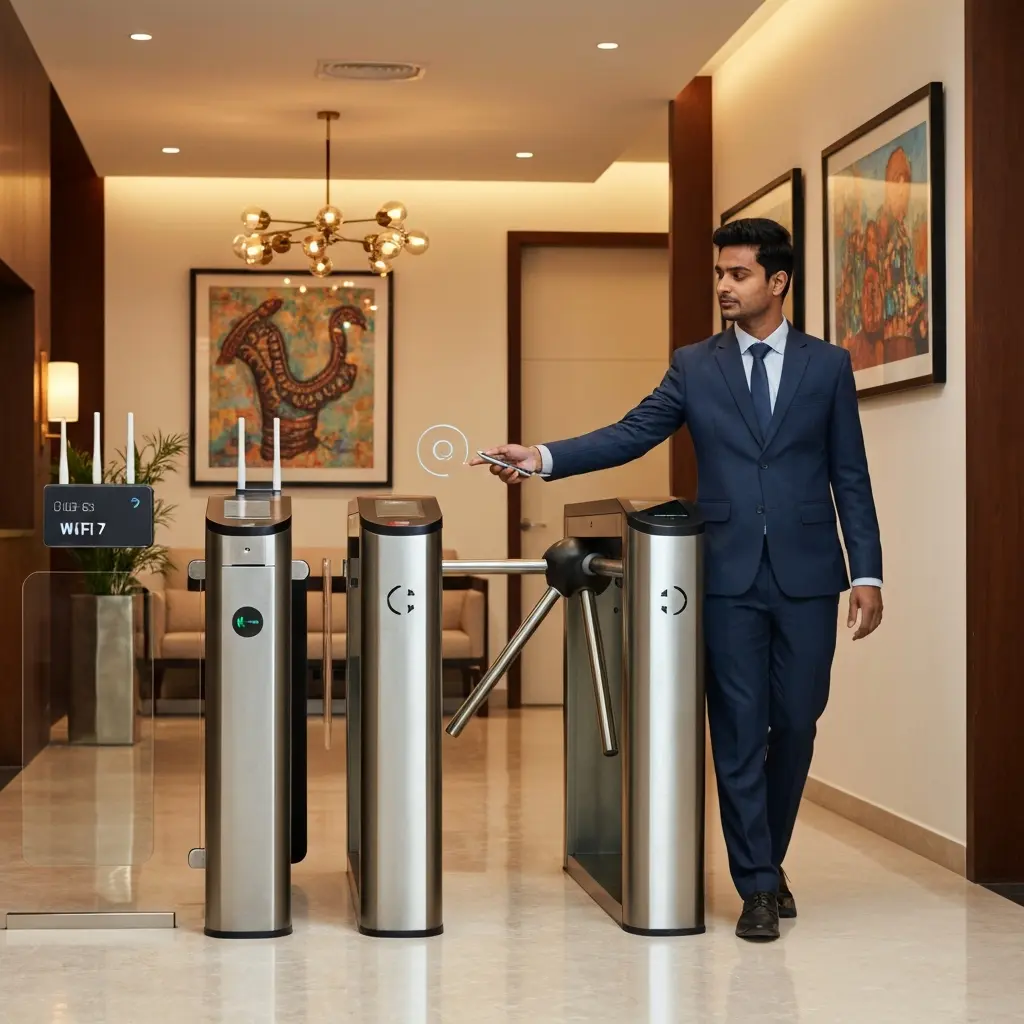
TL;DR: By 2026, a secure workspace is defined by Zero-Trust Access Control, where every device is verified. The shift is to wallet-first credentials and UWB keyless entry, moving beyond aesthetics to infrastructure reliability—critical for Indian businesses handling sensitive data and demanding seamless operations.
Introduction
Choosing a workspace is no longer just about location and rent. For Indian entrepreneurs and growing teams, it is a strategic decision impacting data security, operational efficiency, and talent attraction. The traditional 3-year lease in Chennai or Bangalore, with its fixed costs and security limitations, struggles to meet modern demands for agility and digital safety. The flexible workspace market has matured beyond bean bags and coffee. It now integrates deeply with a company’s digital infrastructure, demanding a fundamental shift in how physical access is managed—a shift defined by the principle of Zero-Trust Access Control.
What is Zero-Trust Access Control?
Zero-Trust Access Control is a security framework that eliminates implicit trust within a physical environment. It mandates that every person, device, and system—from the lobby door reader to a meeting room sensor—must be continuously verified before granting access, regardless of location. In a workspace context, it treats the office as a secure, untrusted node that must prove its integrity, creating a seamless yet highly secure boundary for businesses.
Crizone Pro Tip: When evaluating a workspace, ask about their access control philosophy. A modern centre should explain how they verify not just people, but every connected device in their ecosystem.
Why Infrastructure Reliability Now Trumps Aesthetic Marketing
Operational maturity has decisively replaced aesthetic marketing as the primary driver for member retention. Data from 2026 indicates businesses choose—and stay with—providers based on ‘infrastructure reliability’. This includes redundant power and internet lines, advanced security layers, and deterministic connectivity. While a vibrant design is welcome, it cannot compensate for a dropped video call during a crucial client pitch or a security concern. For an Indian SME, this reliability translates directly to professional credibility and uninterrupted workflow, especially during India’s frequent festive seasons when teams may be distributed.
| Traditional Office Concern (Chennai) | 2026 Flexible Workspace Solution |
|---|---|
| Single internet line failing during monsoon | Wi-Fi 7 with Multi-Link Operation (MLO) & backup 5G RedCap IoT grid for failover connectivity |
| Manual guest logbooks with privacy risks | Zero-Trust verified guest portals; access logs never leave the premises |
| Physical key management for multiple rooms | UWB Keyless Entry via smartphone wallet for ‘street-to-seat’ hands-free access |
| High capex for security & IoT systems | OPEX model with Smart Office IoT (air quality, occupancy sensors) included |
The projected $2.21 billion coworking management software market by 2026 is fueled by this demand for deep, AI-driven operational layers that orchestrate this reliable infrastructure, moving far beyond simple booking tools.
[Image of a flowchart titled “The Zero-Trust Journey: Street to Seat”] A visual flowchart showing: 1) User approaches building with credential in digital wallet -> 2) UWB beacon initiates secure handshake -> 3) Zero-Trust policy engine verifies user, device, and time -> 4) Access granted to turnstile, then specific elevator floor, then assigned enclave or desk -> 5) Local Edge AI processes camera data, no raw footage to cloud.
The End of App Fatigue: Wallet-First Identity and UWB
By 2026, 85% of premium operators have migrated from proprietary apps to a ‘Wallet-First’ baseline. Credentials now live in Apple Wallet or Google Wallet, drastically reducing friction and app fatigue for users. This is paired with Ultra-Wideband (UWB) technology as the high-end standard. UWB enables precise, hands-free access—your office door or elevator recognises your approved device as you approach, without needing to wake your phone. For the Indian professional skipping OMR traffic, this means walking directly from the parking lot or metro into a prepared, secure workspace. The ‘Wallet-First’ model, combined with UWB, creates a calm, efficient entry experience that respects the member’s time and digital real estate.
Manager Insight: “Security should be effortless for the user. Our members value walking into a cooled, lit private office that knows they’re coming, secured by enterprise-grade protocols they don’t have to think about.”
Is Your Workspace Ready for AI-Heavy and Sensitive Workflows?
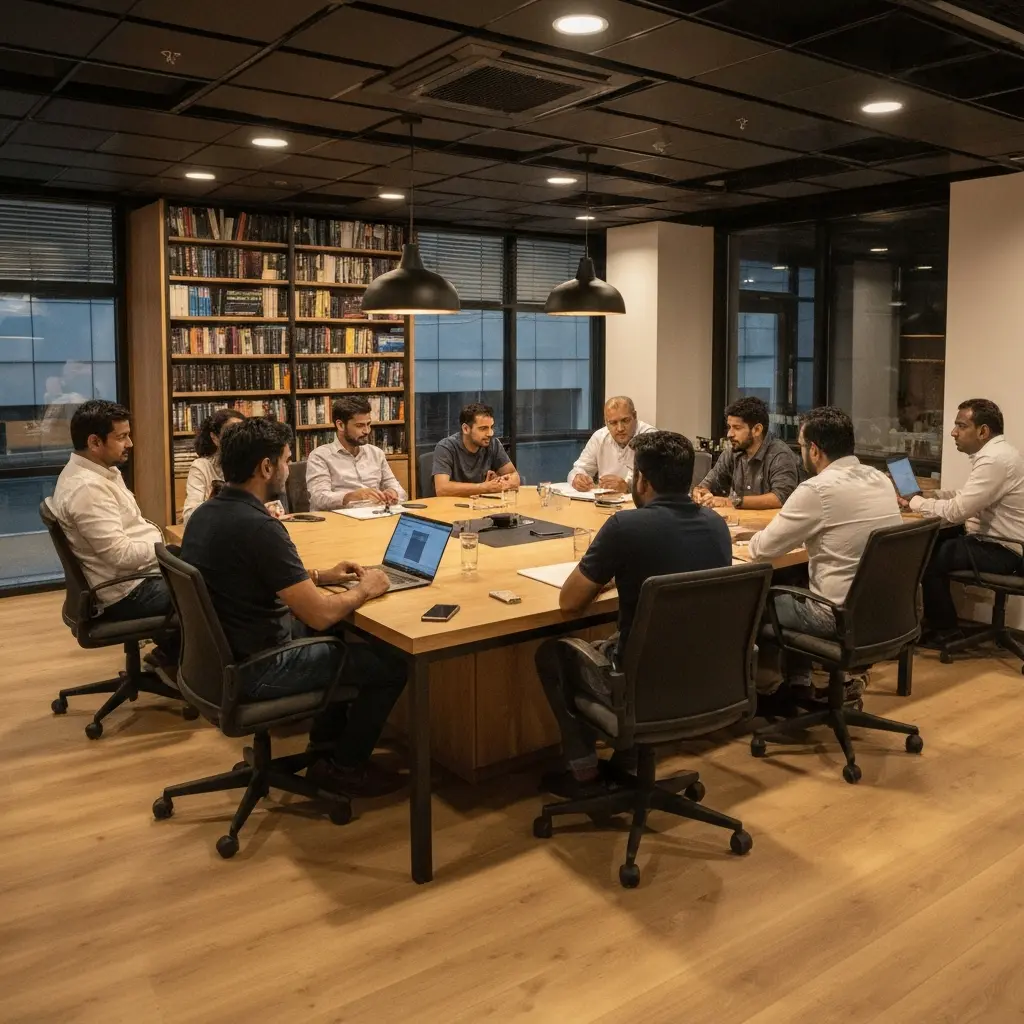
Two technological shifts are defining workspace capability in 2026. First, Wi-Fi 7 is in its breakout year. Its Multi-Link Operation (MLO) feature allows devices to use multiple radio bands simultaneously, providing ‘deterministic’ connectivity essential for AI model training, large data transfers, and lag-free video conferences. Second, the market shows a 45.6% preference for Enclosed Offices, as corporate teams prioritise physical acoustical privacy for sensitive calls and focused work. This reflects a nuanced understanding of ‘flexibility’—it’s not just about open plans, but about having the right, secure space for the right task. A Coworking CMS 2026 platform intelligently matches these needs with available resources.
The 2026 Outlook for Indian Workspaces
The Indian flex workspace market will deepen its bifurcation. Large portfolios will leverage ‘Portfolio-First’ tools for institutional management, while premium centres competing for discerning clients will adopt ‘Hospitality-First’ platforms that automate member experience atop a Zero-Trust foundation. Expect 5G RedCap to enable cost-effective, massive IoT deployments for monitoring building health. Crucially, compliance with evolving data sovereignty norms will be non-negotiable. Edge AI processing in security cameras, which avoids sending raw footage to the cloud, will become standard to meet these requirements, offering Indian businesses peace of mind regarding their operational data.
Key Takeaways
- Prioritise Security Architecture: Choose a workspace that can articulate its Zero-Trust Access Control policies, not just its door lock brand.
- Demand Connectivity Assurance: For AI and development work, inquire about Wi-Fi 7 deployment and backup internet strategies to ensure deterministic uptime.
- Embrace Frictionless Access: UWB Keyless Entry and wallet-first credentials are signs of a mature operator focused on member efficiency.
- Value Enclosed Privacy: For sensitive work, an Enclosed Office within a flex centre offers the ideal blend of security, privacy, and community access.
- Audit for Future-Readiness: Ensure your provider’s Smart Office IoT and data handling practices (like Edge AI) align with India’s growing data privacy expectations.
Conclusion
The workspace has evolved from a cost centre to a critical growth infrastructure. For Indian businesses scaling amidst competition and complexity, the 2026 standard offers a foundation of security, reliability, and seamless technology that empowers teams rather than hindering them. It’s about choosing a partner that provides not just a desk, but a competitive advantage through calm, assured operational excellence. Explore how Crizone Business Centre integrates these forward-looking principles of security and seamless technology to support your business growth in Chennai.
Continue your workspace search
Explore the most relevant Crizone pages next
If this article is part of your Chennai workspace research, these pages help you move from reading into comparing live plans, locations, and fit.
Explore coworking plans in Chennai
Compare day passes, dedicated desks, private offices, meeting rooms, and virtual office options from one commercial hub page.
Book a day pass in Chennai
Best fit if you need occasional workspace access, a short productive break from home, or a flexible desk for a single day.
Compare dedicated desk options
A stronger fit for regular monthly use when you want a fixed seat, better routine, and predictable workspace costs.