· Business Growth & Workspace · 7 min read
Enterprise Flex Strategy 2026: The New Corporate Growth Model for India
Global reports reveal a structural shift as enterprises adopt flexible workspace for portfolio liquidity and talent. This post explains why an enterprise flex strategy 2026 is vital for Indian business growth.
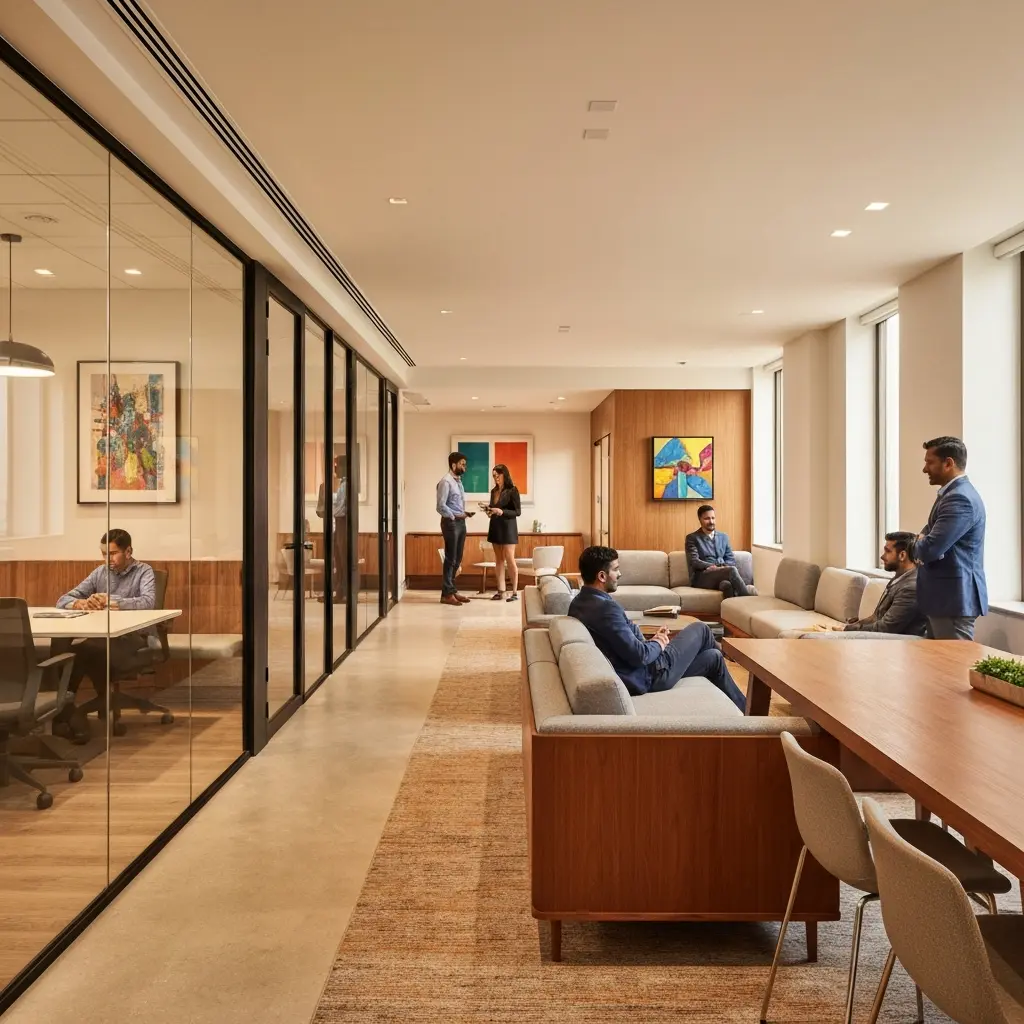
TL;DR: By 2026, a new corporate model dominates: the Enterprise Flex Strategy. It replaces rigid, long-term leases with agile, network-based portfolios. For Indian businesses, this isn’t a trend but a structural necessity for liquidity, talent retention, and unlocking faster growth. The future is flexible.
For the Indian founder or branch manager, the traditional office is a paradox. It demands significant capital commitment while offering little operational agility. Global data for 2026 confirms what savvy Indian leaders already sense: the old model is broken. The new imperative is Enterprise Flex Strategy 2026, a fundamental shift where workspace is a dynamic, on-demand resource, not a fixed, long-term liability. This strategy moves beyond simple remote work. It is a calculated approach to portfolio management, enabling businesses to scale up or down with market cycles, enter new cities with minimal risk, and design environments that actually attract talent. In India, with its unique pressures—from OMR traffic to festive season project deadlines—this elasticity is not a luxury but a critical premium for survival and success. Crizone Business Centre embodies this next-generation model, providing the infrastructure for growth without the anchors of the past.
What is an Enterprise Flex Strategy 2026?
An Enterprise Flex Strategy 2026 is a corporate portfolio approach that prioritises agility and network access over fixed, long-term real estate commitments. It strategically uses managed flexible workspace, serviced offices, and coworking memberships to create an ‘elastic’ operational footprint. This model allows companies to rebalance their portfolio rapidly, deploy talent where opportunity exists, and convert capital expenditure into variable operational cost. The core goal is achieving portfolio liquidity and ‘network reach’ to drive faster revenue growth.
From Niche to Core: Why Flexibility is the New Corporate Standard
Recent reports from CBRE and JLL indicate a tipping point. Flexible workspace is no longer a niche solution for startups but a core component of corporate real estate. As of 2026, 58% of large corporations allocate over 10% of their portfolio to flexible solutions, a sharp rise from 42% just two years prior. This signals a permanent, structural change in how businesses view their physical presence. For the Indian SME, this trend is a powerful enabler. Consider the challenge of launching a satellite team in a new city like Coimbatore or Hyderabad. A traditional lease involves a multi-year commitment, hefty security deposits, and months of setup. A managed flex strategy allows you to establish a professional, fully operational office in weeks, not months, with a predictable monthly fee. This dramatically reduces entry risk and accelerates time-to-market.
Crizone Pro Tip: Treat your workspace as a variable cost, not a fixed one. Start with a flexible membership to establish a prestigious Chennai address. Scale your dedicated team rooms up or down quarterly based on project pipelines, protecting your cash flow during slower business cycles.
| Traditional Office in Chennai (3-Year Lease) | Managed Flexible Suite at Crizone |
|---|---|
| Locked-in Capital: ₹15-25 Lakhs (Deposit + Fit-out) | Minimal Setup Cost: Standard Security Deposit |
| Fixed Cost: High, regardless of utilisation | Variable Cost: Scales with team size & needs |
| Long Lead Time: 4-6 months for setup | Rapid Deployment: Move-in ready in days |
| Inflexible: Difficult to exit or downsize | Fully Elastic: Easy to expand or contract |
| Management Overhead: HR, IT, Admin, Maintenance | Fully Managed: Services, maintenance, and support included |
The Growth Dividend: How Elastic Portfolios Drive Revenue
A joint 2026 study by BCG and the Flex Index revealed a compelling statistic: ‘Fully Flexible’ firms grow revenue 1.7 times faster than their peers clinging to mandate-driven, fixed-office models. This ‘Elasticity Premium’ stems from several factors. Financially, capital not tied up in real estate can be redirected to R&D, sales, or marketing. Operationally, teams can be deployed closer to clients or talent pools without the drag of a long lease. The Indian context makes this even more potent. A tech SME can house its core developers in a secure, managed suite at Crizone on OMR while using day passes or meeting rooms in flex spaces in Bengaluru or Pune for client workshops. This ‘network reach’ strategy, once the domain of Fortune 500s, is now accessible. Furthermore, the global shift towards ‘Deskless Office’ design—where 60% of space is for collaboration—aligns perfectly with India’s collaborative business culture, fostering innovation that directly impacts the bottom line.
Is a Managed Office Suite the Right Choice for Your Core Team?
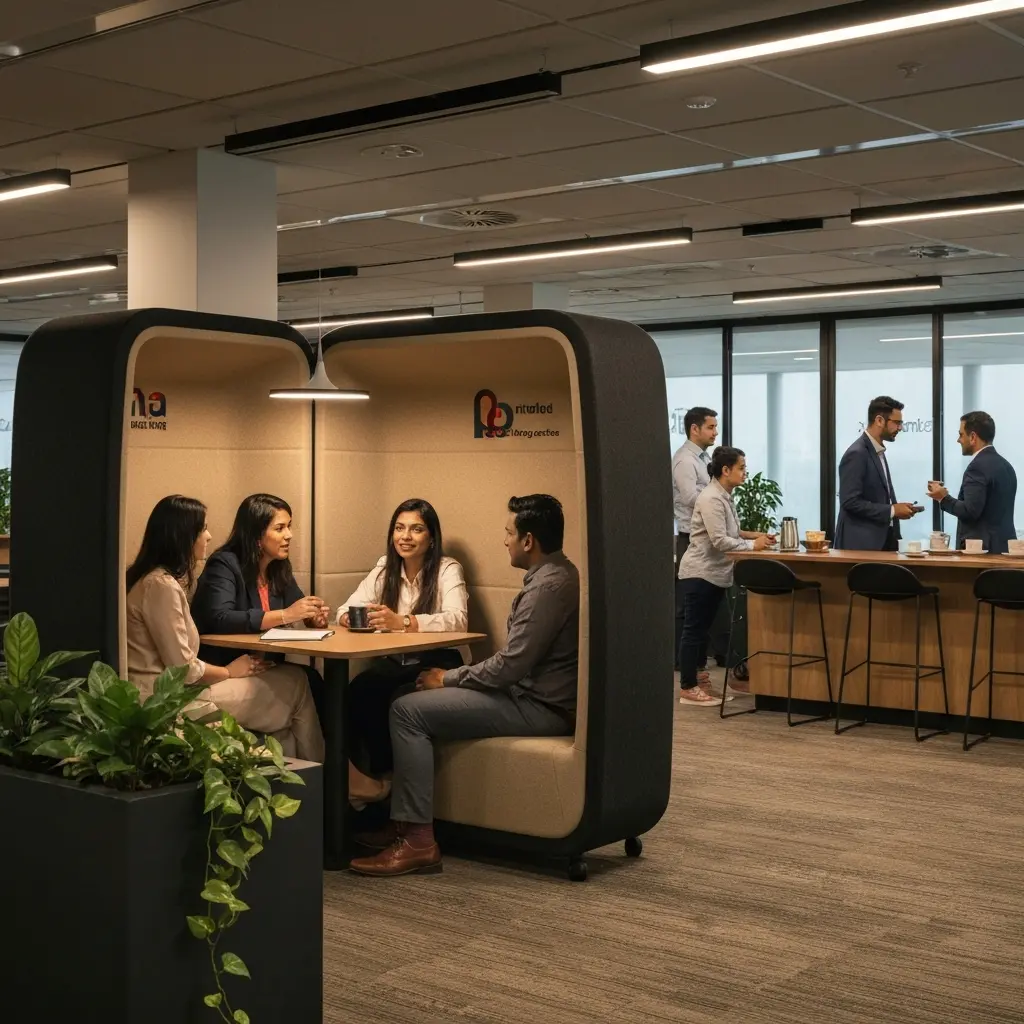
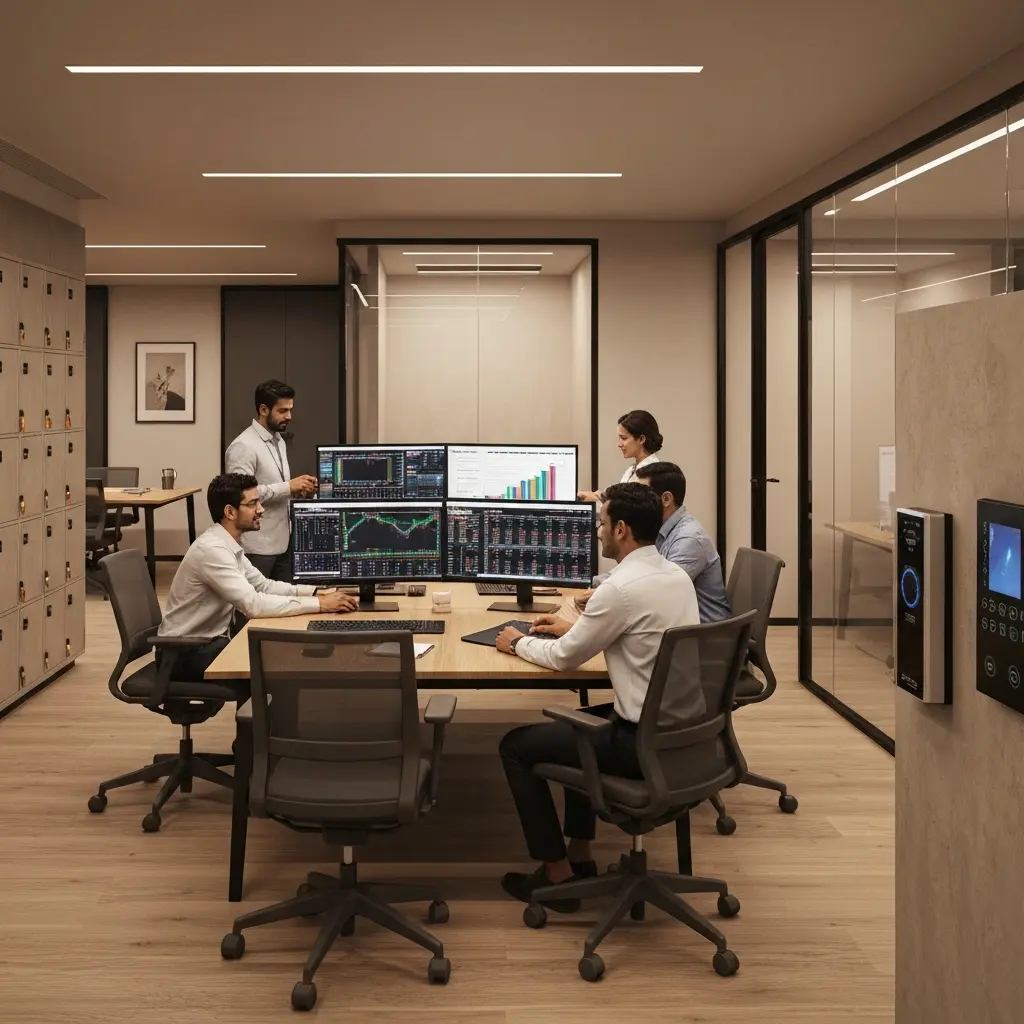
As enterprises move away from open-plan coworking, managed ‘Dedicated Spaces’ now command 47% of the flex market. These are private, high-security, branded suites within a premium flex building. They offer the privacy and cultural cohesion of a traditional office with all the benefits of flexibility. This is particularly relevant for sectors like BFSI (Banking, Financial Services, Insurance), the fastest-growing vertical for flex, where data security and client confidentiality are paramount. For an Indian company’s headquarters or critical team, a managed suite provides the perfect balance. You have your own branded space with customisable layouts, but you avoid the burden of facility management. The building’s landlord or operator, like Crizone, handles everything from HVAC maintenance in Chennai’s humid climate to high-speed internet and GST-compliant billing. It turns real estate from a distraction into a seamless service, allowing leadership to focus purely on business growth.
[Image of an enterprise strategy diagram] A visual flowchart showing how capital is diverted from fixed real estate (traditional lease) into growth drivers (sales, R&D) under a flexible model, with arrows indicating ‘portfolio agility’ and ‘network access’ boosting revenue.
The 2026 Outlook for the Indian Workspace Market
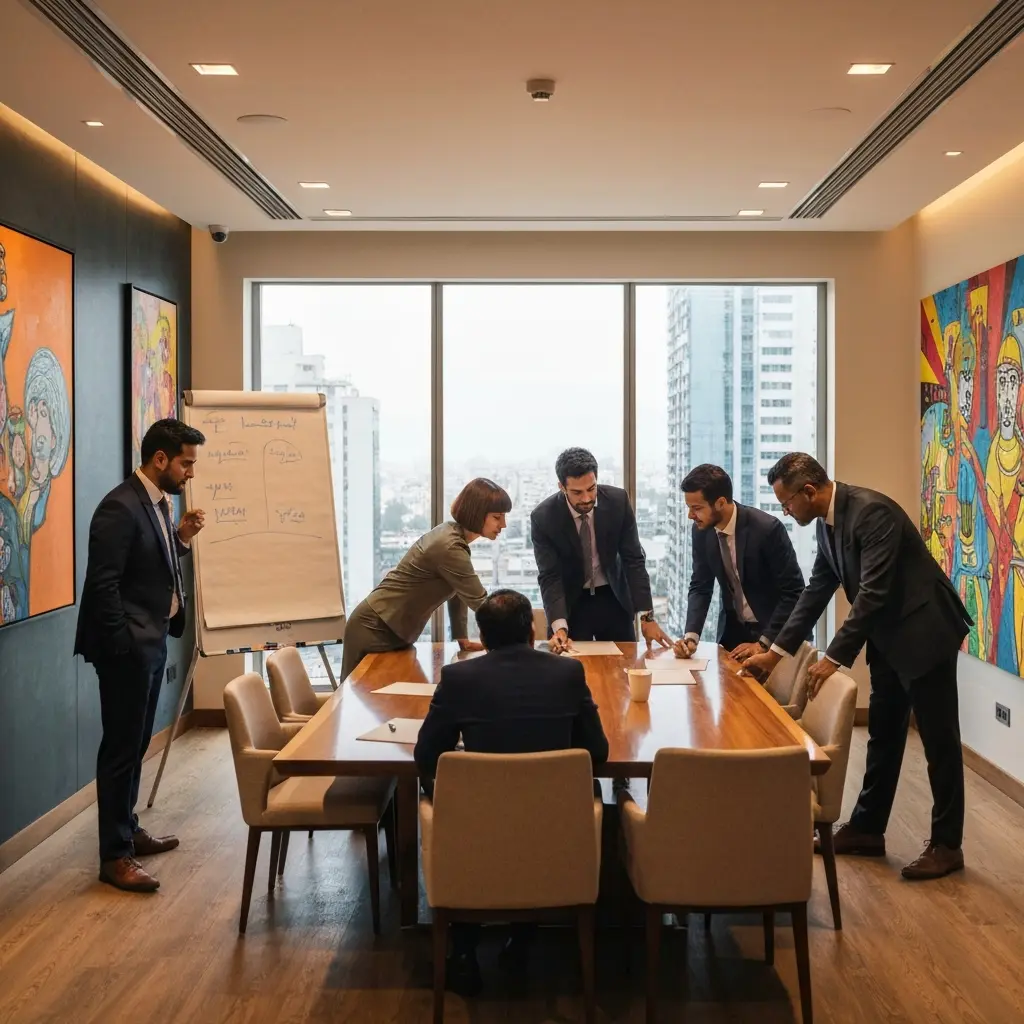
By 2026, the Indian flexible workspace market will mature significantly, mirroring global trends but with local characteristics. We will see aggressive growth in secondary cities—akin to Jacksonville and Richmond’s boom—as companies seek talent and cost advantages beyond Bengaluru and the NCR. Lease terms for providers will shorten, enabling even faster portfolio rebalancing for their corporate clients. In Chennai, expect premium flex centres to evolve into true business ecosystems. The ‘Deskless Office’ trend will manifest in more project rooms, immersive tech booths for virtual client demos, and formal collaboration suites. The focus will shift from merely providing a desk to facilitating connections, knowledge sharing, and serendipitous meetings that can lead to new contracts or partnerships. Workspace will be measured not by square footage, but by its ability to generate business outcomes.
Key Takeaways
- Adopt an Agile Mindset: View workspace as a variable operational tool, not a fixed capital asset. Start with flexibility to preserve liquidity.
- Target the ‘Elasticity Premium’: Redirect capital saved from traditional leases into revenue-generating activities like sales, marketing, or product development.
- Prioritise ‘Network Reach’: Use a network of quality flex spaces to place talent near clients or opportunities in multiple cities with minimal risk.
- Choose Managed Suites for Core Teams: For headquarters or sensitive operations, opt for private, managed office suites that offer security, branding, and full-service management.
- Design for Collaboration, Not Just Attendance: Seek spaces where most of the floorplate is designed for meetings, brainstorming, and client engagement, aligning with the ‘Deskless Office’ future.
Conclusion
The data is unequivocal. The Enterprise Flex Strategy 2026 is the new corporate operating system for growth. It replaces the rigidity of the past with the liquidity and network access required to thrive in a volatile economy. For Indian entrepreneurs and corporate leaders, the question is no longer if to adopt flexibility, but how quickly it can be integrated into their growth plans. It is the strategic lever to unlock faster revenue, attract top talent, and build a resilient, future-proof business. This is precisely the growth-partner model we have built at Crizone Business Centre in Chennai. Our premium managed offices and flexible memberships are designed to provide your business with the elasticity, professional ecosystem, and calm efficiency needed to focus on what you do best: scaling your venture. Let us help you build your 2026 strategy today.
Continue your workspace search
Explore the most relevant Crizone pages next
If this article is part of your Chennai workspace research, these pages help you move from reading into comparing live plans, locations, and fit.
Explore coworking plans in Chennai
Compare day passes, dedicated desks, private offices, meeting rooms, and virtual office options from one commercial hub page.
Book a day pass in Chennai
Best fit if you need occasional workspace access, a short productive break from home, or a flexible desk for a single day.
Compare dedicated desk options
A stronger fit for regular monthly use when you want a fixed seat, better routine, and predictable workspace costs.