· Business Growth & Workspace · 6 min read
Right to Disconnect 2026: How Compliance Drives Flex Space Growth
New 2026 'Right to Disconnect' laws transform flexible workspaces from a perk to a vital compliance tool for Indian businesses aiming to avoid liability and foster sustainable growth.
TL;DR: New 2026 labour laws mandating a ‘Right to Disconnect’ make flexible workspaces a strategic compliance asset. For Indian businesses, they offer a legal framework to manage boundaries, boost productivity, and retain talent, turning a regulatory requirement into a competitive growth advantage.
Introduction
Indian entrepreneurs and SME founders face a complex challenge: balancing growth with rising operational burdens. Traditional five-day office leases in Chennai’s prime locations demand significant capital lock-in, while rigid mandates risk alienating top talent. Simultaneously, global ‘Right to Disconnect 2026’ legislation is reshaping employer liabilities, making unchecked after-hours digital communication a legal and financial risk. The demand is no longer just for a desk, but for a workspace that actively supports legal compliance, employee well-being, and operational agility. In this new era, the premium flexible workspace evolves from a convenient option into an essential, growth-oriented business tool.
What is the ‘Right to Disconnect 2026’?
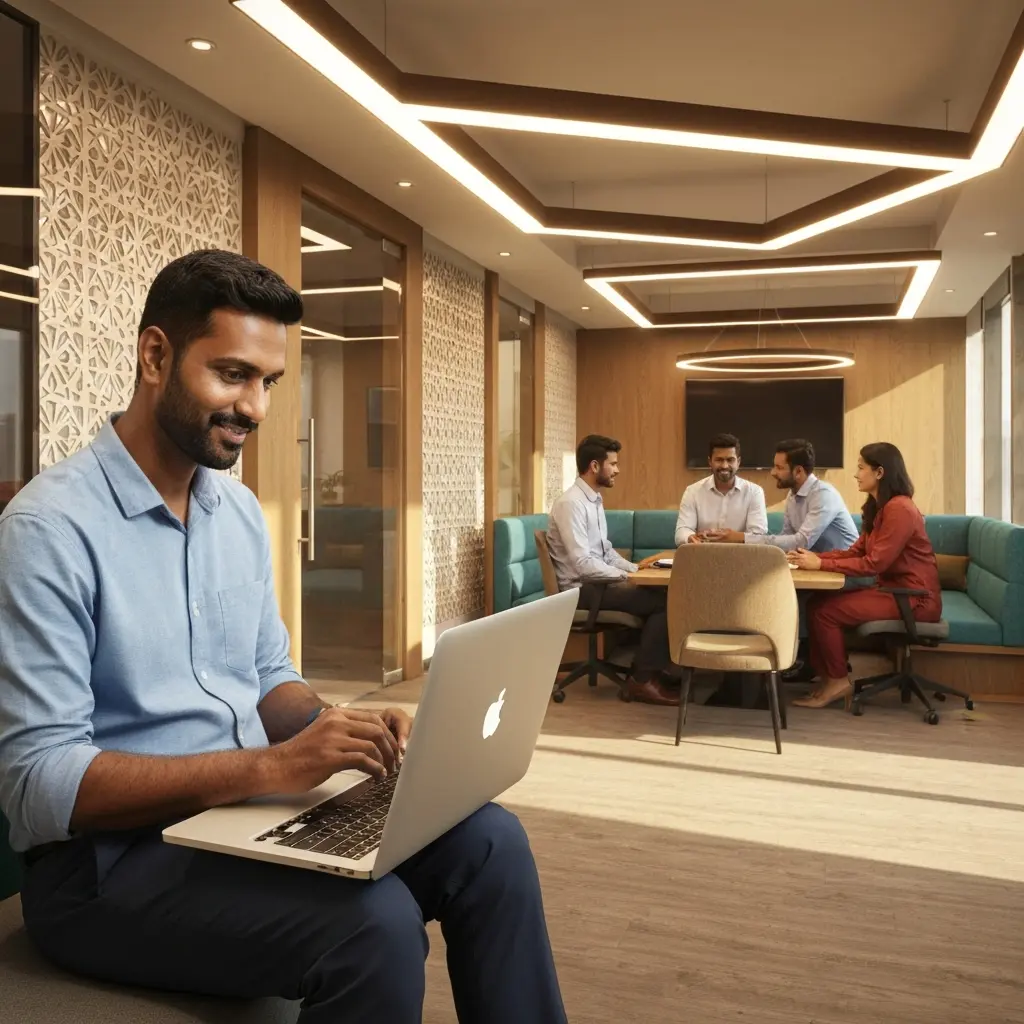
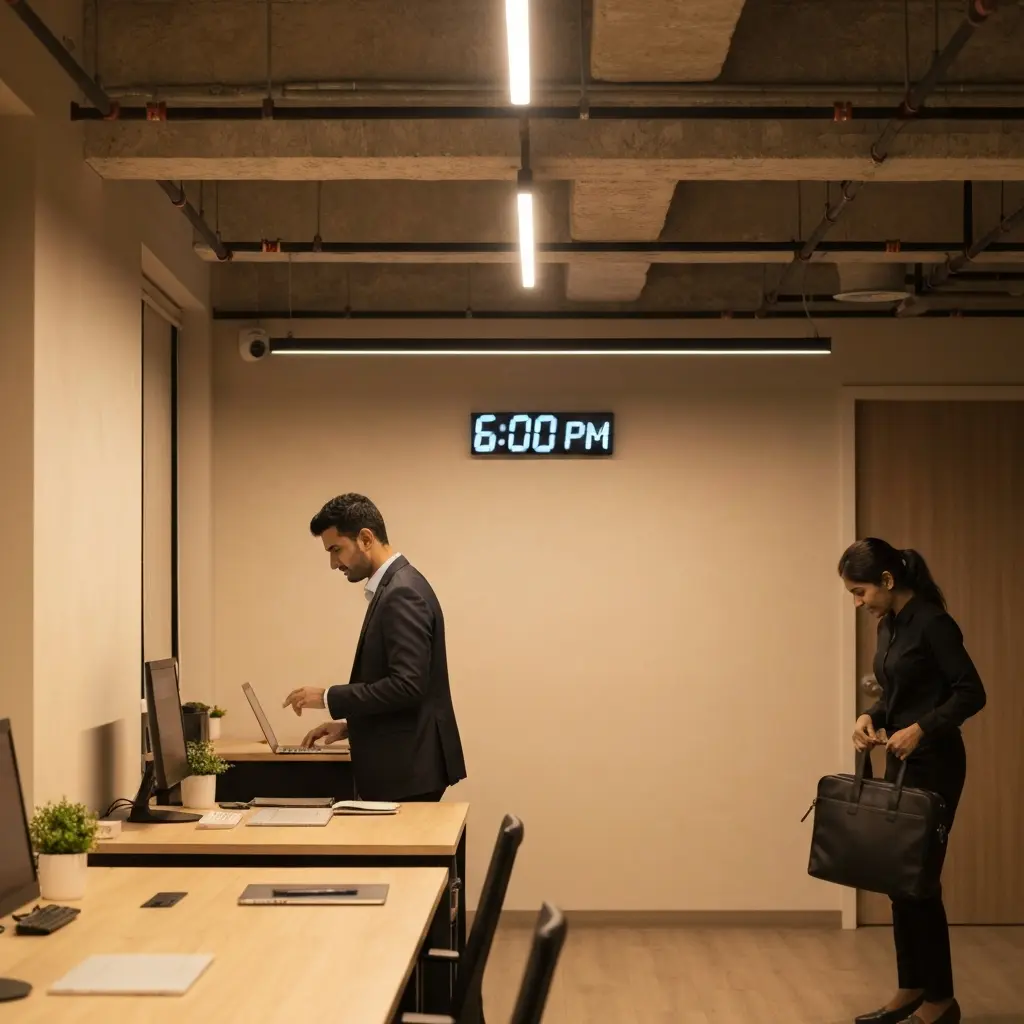
The ‘Right to Disconnect 2026’ refers to a growing body of global labour laws that empower employees to legally disengage from work-related digital communications outside of official working hours. These laws, now active in over 25 countries, aim to combat burnout and protect personal time. For employers, especially in India’s increasingly globalised business environment, this creates a compliance imperative. Providing a dedicated physical workspace becomes a clear, demonstrable method to establish and respect these legally required work-life boundaries.
From Legal Liability to Strategic Advantage
Forward-thinking Indian companies are pivoting from viewing these laws as a burden to leveraging them for growth. A 2026 macro-analysis found firms in such jurisdictions saw a 5.7% higher return on assets. The logic is clear: enforced boundaries reduce burnout, leading to sharper focus and higher quality output during core hours. For an Indian SME, this translates to better project delivery and improved client satisfaction without extending the workday.
A key strategy is the use of ‘Certified Compliance Hubs’—flexible spaces that legally count as ‘in-office’ time. This satisfies both the employee’s need for structured presence and the company’s duty of care. It directly addresses the ‘Visibility Bias’ concern, where 25% of workers fear missing promotions without physical presence. A localised flex hub in Chennai, like those on OMR or near Metro stations, allows teams to be ‘seen’ by management without enduring gruelling commutes daily.
Crizone Pro Tip: Use your flexible workspace membership as a core part of your HR policy. Document that the office provides the primary, official place of work, making after-hours communication the exception, not the expectation. This is a powerful shield in any compliance audit.
The Financial and Talent Retention Imperative
The economic case for a compliance-led flex strategy is compelling. Companies with flexible policies have seen 21% higher revenue growth than those with rigid office mandates. For an Indian business, the savings extend beyond avoiding potential legal penalties.
| Cost Factor | Traditional Chennai Office Lease (Annual) | Premium Flexible Workspace Solution |
|---|---|---|
| Prime Location Rent | ₹8-15 Lakhs + 10% annual escalation | Included in monthly membership |
| Furniture & IT Capex | ₹3-5 Lakhs one-time | Fully managed, zero capex |
| Maintenance & Utilities | ₹1.5-2.5 Lakhs + variable charges | Single, predictable invoice |
| Compliance & HR Overhead | High (managing logs, audits) | Reduced via automated systems |
| Talent Attrition Cost | Significant (65% of Gen Z demand boundaries) | Mitigated, enhancing retention |
The talent angle is critical. Eighty percent of Fortune 500 companies lost top talent to rigid mandates in 2025. In 2026, 65% of Gen Z employees demand a ‘managed physical boundary,’ viewing 100% WFH as a risk to mental health and career progression. Offering access to a professional, well-equipped flex space directly addresses this, making your firm more attractive in a competitive talent market.
Is Your Workspace Strategy Compliance-Ready for 2026?
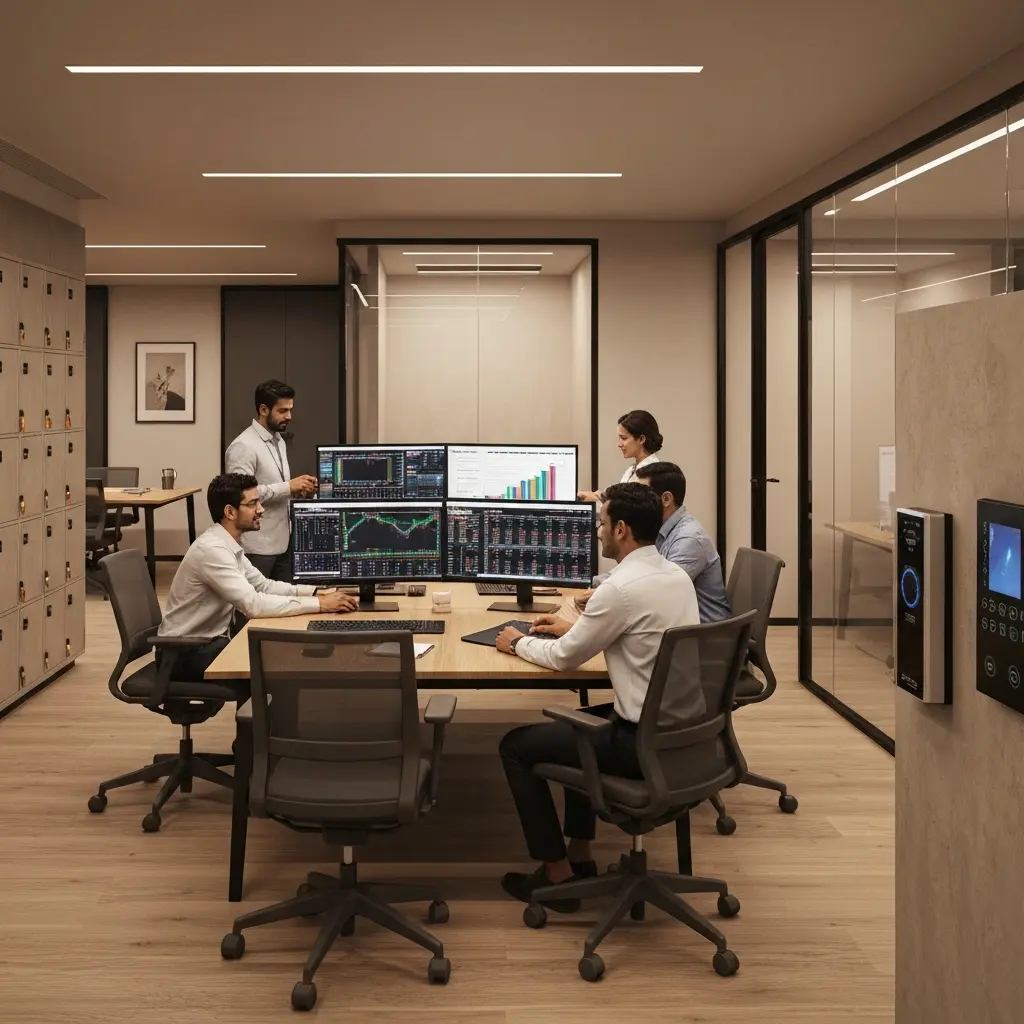
Operators are now integrating technology that turns the workspace into an active compliance partner. Concepts like ‘Geofenced Work-Life Buffers’ are emerging, where corporate app access is muted upon leaving the workspace Wi-Fi. Premium contracts include ‘Labour Law Compliance Modules,’ providing HR with automated, non-invasive attendance logs to prove disconnection.
This shift is moving Commercial Real Estate (CRE) budgets from fixed leases to ‘Compliance-as-a-Service’ flex licenses. For a branch manager in Chennai, this means de-risking against burnout lawsuits while gaining the agility to scale seats up or down based on project needs or festive season workflows. The workspace itself becomes a strategic asset on the balance sheet.
[Image of a conceptual diagram showing a ‘Geofenced Work-Life Buffer’] Conceptual diagram: A smartphone screen shows work apps active inside a geofenced ‘Workspace Zone’ (like a flex centre) and automatically switching to ‘Do Not Disturb’ mode once the user leaves the zone, visually representing the digital boundary.
Manager Insight: The goal isn’t to monitor employees, but to empower them. A professional environment that clearly defines ‘work mode’ allows for genuine ‘off mode.’ This is the foundation of sustainable performance, especially during high-pressure quarters preceding financial year-ends.
The 2026 Outlook for Indian Workspaces
The Indian flexible workspace market is poised for a compliance-driven evolution. We will see a sharp rise in demand for spaces that offer ‘Digital Wellness’ certifications and dedicated ‘offline zones.’ Office utilization will grow, but concentrated in hubs that support this new legal and cultural paradigm. Providers that offer seamless, tech-integrated environments with strong HR partnership frameworks will lead. For Chennai, this means spaces offering not just connectivity, but clear disconnection protocols, will become the standard for responsible, growth-focused companies.
Key Takeaways
- View compliance as an opportunity: New ‘Right to Disconnect’ laws can be leveraged to structure a more productive, focused, and legally sound work culture.
- Shift from cost centre to growth asset: Budget for flexible workspace as ‘Compliance-as-a-Service,’ providing agility and de-risking talent retention.
- Address the visibility bias: A localised flex hub satisfies the need for physical presence without the drain of a full-time commute, crucial for career progression.
- Meet Gen Z expectations: The next generation of talent prioritises managed boundaries; a professional flex space is a powerful recruitment and retention tool.
- Future-proof with technology: Choose partners that offer integrated systems for attendance and digital boundary management, simplifying HR oversight.
Conclusion
The business landscape is shifting from where work happens to how work is legally and culturally structured. The ‘Right to Disconnect 2026’ is not a fringe trend but a fundamental reset, turning the flexible workspace into a boardroom-level strategy for risk management and human capital optimization. It provides the physical ‘container’ for productive work, ensuring growth is sustainable for both the business and its people. For companies in Chennai looking to navigate this new reality, a partner like Crizone Business Centre provides the compliant, growth-oriented environment where professional focus and personal well-being are seamlessly integrated.
Continue your workspace search
Explore the most relevant Crizone pages next
If this article is part of your Chennai workspace research, these pages help you move from reading into comparing live plans, locations, and fit.
Explore coworking plans in Chennai
Compare day passes, dedicated desks, private offices, meeting rooms, and virtual office options from one commercial hub page.
Book a day pass in Chennai
Best fit if you need occasional workspace access, a short productive break from home, or a flexible desk for a single day.
Compare dedicated desk options
A stronger fit for regular monthly use when you want a fixed seat, better routine, and predictable workspace costs.