· Business Growth & Workspace · 6 min read
Secondary Nomad Hubs 2026: A Growth Blueprint for Indian Businesses
Explore how the global shift towards Secondary Nomad Hubs in 2026 presents strategic talent acquisition, market expansion, and operational flexibility opportunities for Indian entrepreneurs.
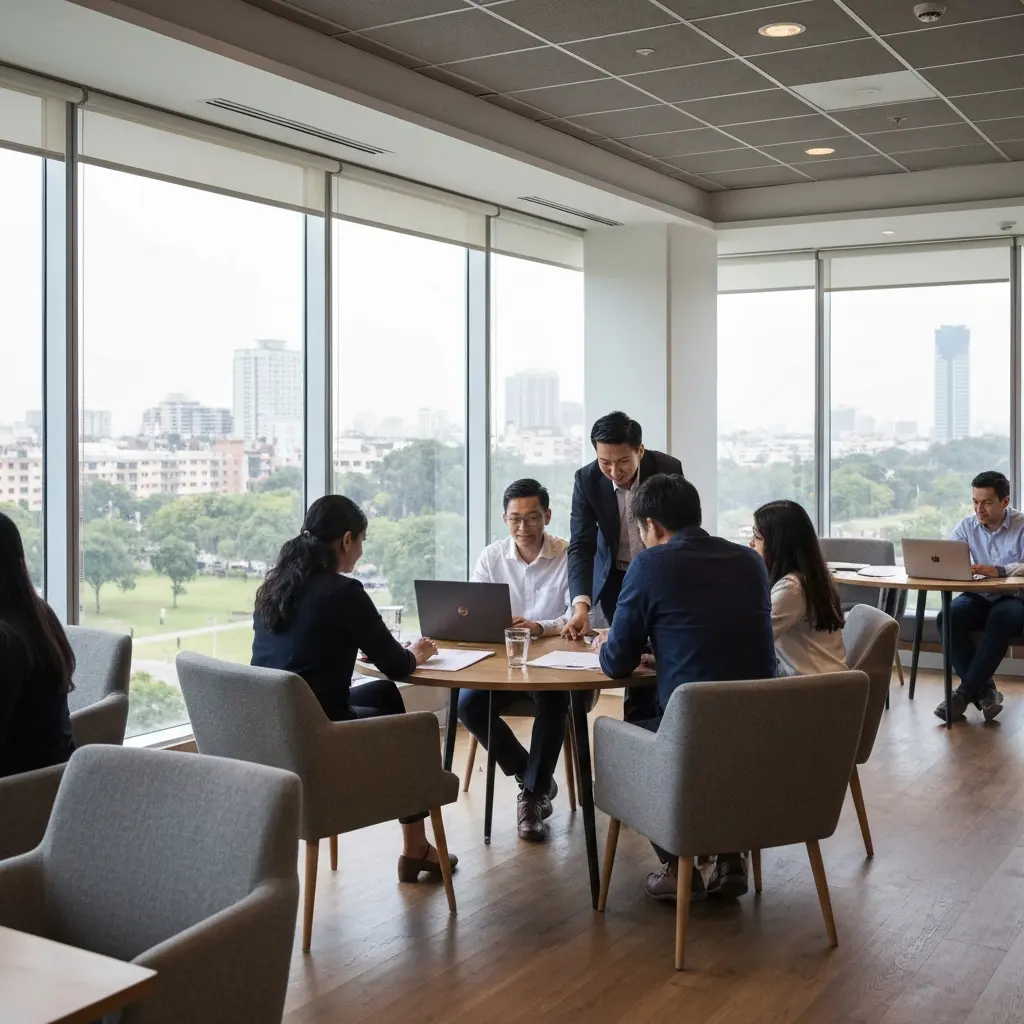
TL;DR: By 2026, global mobility will focus on affordable, high-infrastructure Secondary Hubs. For Indian businesses, this represents a direct channel to global talent and a model for attracting top-tier remote professionals to Chennai through superior, community-driven work-stay ecosystems.
Introduction: Your Competition for Talent is Now Global
As a business leader in Chennai, you are no longer competing only with the startup in Guindy or the MNC on OMR. The battle for skilled professionals is now borderless. The rising cost of traditional office leases in central Chennai, compounded by traffic and talent attrition, creates a significant operational drag. Meanwhile, a global cohort of 40 million digital professionals now operates with unprecedented freedom, choosing their location based on infrastructure, community, and lifestyle.
This shift from fixed leases to fluid, talent-centric operations isn’t just a trend; it’s a strategic imperative for growth. The 2026 pivot towards secondary nomad hubs 2026 offers a clear roadmap. By understanding this movement, Indian SMEs and founders can unlock new talent pools, inspire innovation, and build more resilient, globally-connected operations.
What Are Secondary Nomad Hubs?
A Secondary Nomad Hub is a city that has emerged as a premier destination for location-independent professionals, distinct from oversaturated primary hubs like Lisbon or Bali. By 2026, these hubs are defined by formalized national visa programs, superior digital infrastructure as a baseline, a cost of living conducive to long-term stays, and a mature focus on professional community building. They are the strategic nodes in a new global network where work, life, and economic contribution intersect seamlessly.
The Strategic Imperative for Indian Businesses
From Backpackers to Business Partners: A Mature Talent Pool
The digital nomad demographic has matured. In 2026, the average age is 36, with nearly half in the 30-39 bracket. This cohort isn’t seeking a beachside Wi-Fi connection; they require professional-grade amenities, reliable compliance frameworks, and opportunities for meaningful work integration. For an Indian tech startup or a Chennai-based marketing agency, this represents a profound opportunity.
You can now tap into a global freelance or remote employee base that values stability and professional growth. The key is offering a workspace environment that matches their expectations—high-speed fibre, flawless acoustics for client calls, and a professional address that builds trust. This is the exact shift Crizone has anticipated, moving from a basic seat provider to a growth partner facilitating these global connections.
Growth Insight: To attract this global talent, your workspace must signal professionalism and reliability. It’s not just about a desk; it’s about providing the infrastructure that allows a cybersecurity expert in Tbilisi or a data analyst in Da Nang to seamlessly integrate with your Chennai-based team.
The Economics of Global Mobility: A Cost-Benchmarking Lens
The rise of secondary hubs is fundamentally an economic story. Cities like Asunción or Tbilisi attract professionals with costs under $1,000 monthly and extended visa stays. This creates a powerful benchmark for Indian businesses considering international talent or planning their own strategic retreats.
| Cost Factor | Traditional Talent Hub (e.g., Central Bangalore Office + Local Hire) | Secondary Hub Strategy (e.g., Remote Hire in Georgia + Crizone Hub in Chennai) |
|---|---|---|
| Monthly Workspace Cost | ₹ 2.5 Lakh+ for a 10-person private office lease, plus maintenance | ₹ 75,000 for 10 dedicated flexi-desks at a premium business centre |
| Talent Acquisition | High competition, steep salary expectations, relocation costs | Access to a global pool, competitive rates based on international cost of living |
| Operational Flexibility | Locked into 36-month lease; costs persist during lean periods | Scale your team up or down monthly, aligning cost directly with revenue |
| Global Connectivity | Limited to local network; international calls/logistics complex | Built-in international courier services, global teleconferencing suites, and networking events |
As highlighted in a recent JLL India report on ‘Flexible Workspace 2.0,’ the shift is from managing a capital-intensive real estate asset to procuring a scalable ‘talent enablement service.’ This model directly de-risks expansion.
[Image of a global map highlighting primary vs. secondary hubs]
Is “Community-as-a-Service” Your Missing Growth Lever?
Perhaps the most significant 2026 trend is the formalisation of Community-as-a-Service (CaaS). For 37% of nomads, structured programming—think expert workshops, founder roundtables, and industry mixers—is more decisive than physical location. For Indian businesses, this is a revelation.
Your workspace should actively curate connections. It transforms from an overhead cost into a business development engine. The chance encounters in a well-curated lounge can lead to a new client, a critical vendor, or even a co-founder. In Chennai’s evolving ecosystem, being at the centre of such a community positions your SME for serendipitous growth that a siloed office in a traditional building cannot match.
Crizone Pro Tip: Evaluate your workspace not on price-per-square-foot, but on potential-per-connection. The ROI of a single partnership forged in a vibrant business community can outweigh years of saved rent.
The 2026 Outlook: Chennai on the Global Work Map
The trends defining global secondary hubs will directly influence Chennai’s commercial landscape. We predict a surge in demand for ‘hybrid-hostel’ models catering to the rising segment of family nomads. Expect premium workspace providers to integrate more lifestyle amenities, recognising that the professional in 2026 seeks a holistic work-stay experience, especially during Chennai’s humid summer months. Furthermore, as ASEAN and other regions develop ‘Remote Work Corridors,’ Indian businesses using globally-connected hubs will find it easier to deploy teams across Southeast Asia, turning regional expansion from a logistical nightmare into a manageable strategy.
Key Takeaways for Founders and Managers
- Reframe Workspace Cost: View it as an investment in talent access and business development, not just a real estate expense.
- Design for Global Standards: Ensure your operational base (or the flexible centre you use) offers infrastructure—like +500 Mbps fibre—that meets international remote-worker expectations.
- Prioritise Community Curation: Choose a workspace that actively builds networks. The quality of your business neighbours is a strategic asset.
- Leverage the Hybrid Model: Use a core, professional address in Chennai to maintain a local presence while freely engaging global talent that operates from secondary hubs abroad.
- Plan for Seasonal Mobility: Consider 3-6 month pilot projects with international contractors or planning team offsites in emerging hubs to foster innovation and global perspective.
Conclusion: Positioning for a Borderless Future
The 2026 shift to secondary nomad hubs is not a distant phenomenon; it is a current strategic reality reshaping how and where business gets done. For the ambitious Indian entrepreneur, this global movement offers a template: reduce fixed costs, access world-class talent, and build a business that is as fluid and dynamic as the market itself. The businesses that thrive will be those that master the art of providing stability and community to a mobile professional class.
This philosophy of enabling growth through intelligent, flexible infrastructure and curated community is at the core of what we do. At Crizone Business Centre in Chennai, we provide the globally-benchmarked professional ecosystem that allows your business to connect, scale, and compete—both locally and on the world stage.
Continue your workspace search
Explore the most relevant Crizone pages next
If this article is part of your Chennai workspace research, these pages help you move from reading into comparing live plans, locations, and fit.
Explore coworking plans in Chennai
Compare day passes, dedicated desks, private offices, meeting rooms, and virtual office options from one commercial hub page.
Book a day pass in Chennai
Best fit if you need occasional workspace access, a short productive break from home, or a flexible desk for a single day.
Compare dedicated desk options
A stronger fit for regular monthly use when you want a fixed seat, better routine, and predictable workspace costs.