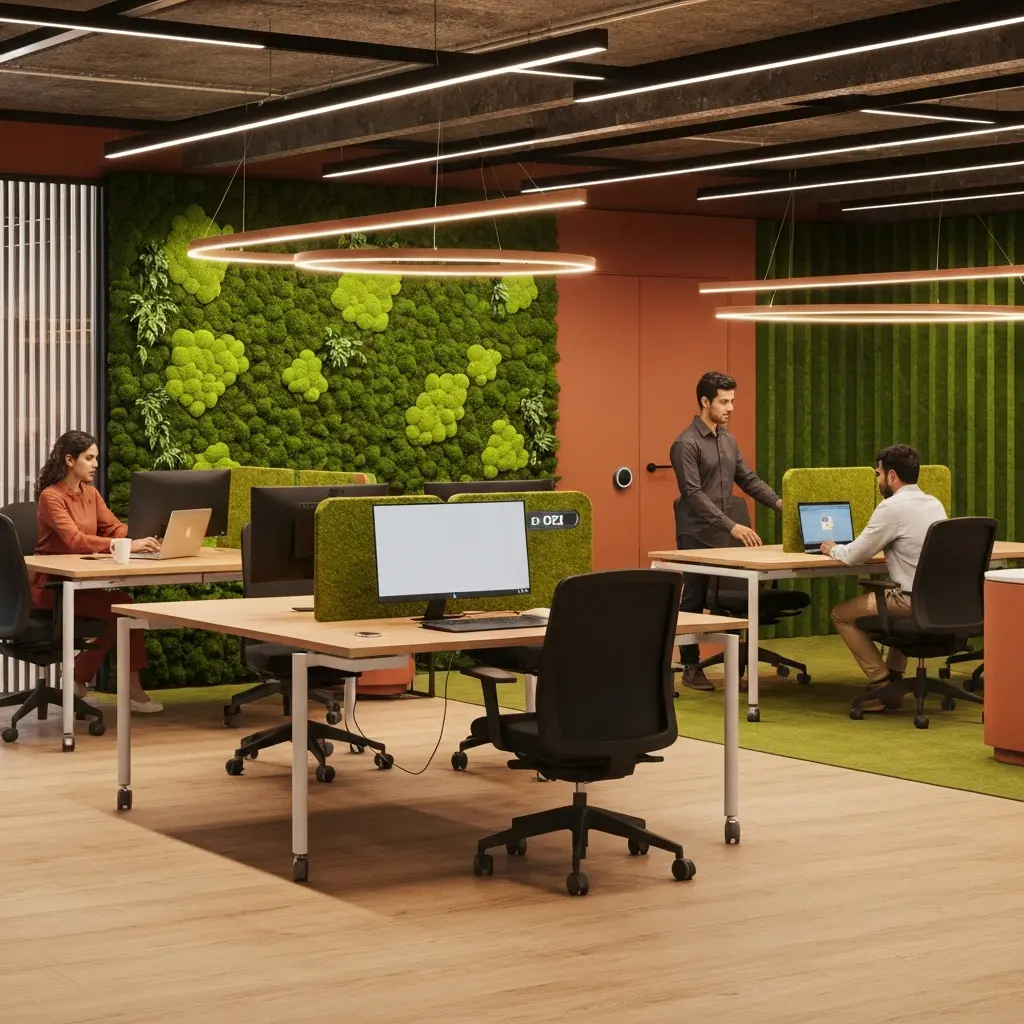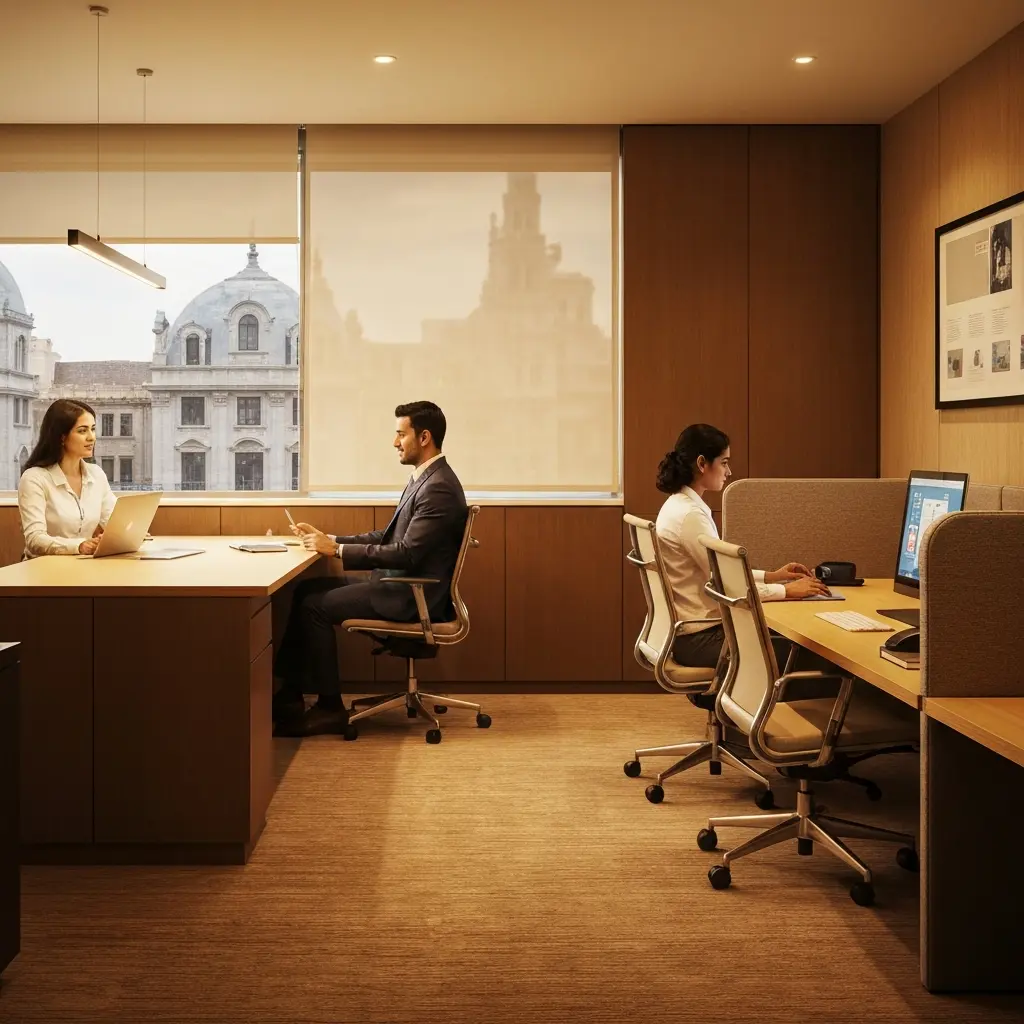
· Business Growth & Workspace · 6 min read
Overcome the 111% Allocation Paradox with Strategic Flex Space in India
The 111% desk allocation paradox is a real challenge for Indian firms enforcing RTO. Discover how flexible workspace provides the strategic overflow capacity needed for growth.
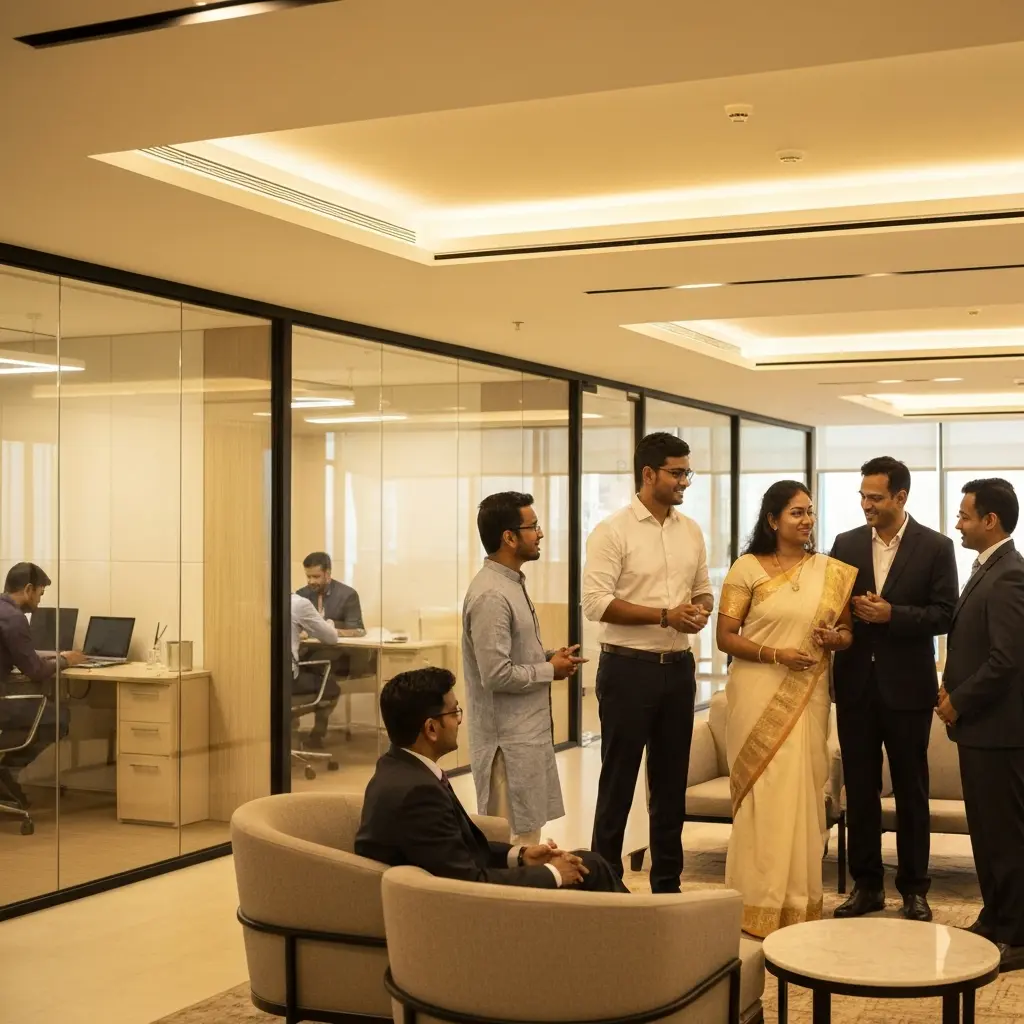
TL;DR: Indian businesses enforcing 5-day office mandates now face a 111% desk allocation paradox. To avoid costly under- or over-provisioning, forward-thinking firms are using premium flexible workspaces for strategic overflow. This approach optimises costs, maintains employee satisfaction, and provides agile growth capacity in Chennai’s dynamic market.
Introduction
For the Indian business leader today, managing physical office space is a complex equation of cost, culture, and compliance. The push for a structured Return to Office (RTO) collides with the realities of Chennai’s commercial real estate: premium spaces on OMR command steep rents, while talent seeks convenience and modern amenities. A traditional long-term lease locks you into a fixed footprint, unable to flex with project cycles or seasonal headcount changes. This rigidity is now amplified by a global trend—the Capacity Planning crisis known as the 111% Allocation Paradox. It reveals that enforcing office mandates without the right space strategy can stifle productivity and growth.
What is the 111% Allocation Paradox?
The 111% Allocation Paradox describes the critical mismatch where an organisation has assigned more employees (111%) to its corporate office than there are physical desks available. This occurs when aggressive five-day RTO mandates meet right-sized, cost-optimised real estate portfolios. The result is mid-week gridlock, where teams lack proper workspace, forcing a scramble for overflow solutions. For Indian SMEs, this paradox translates to overcrowded meeting rooms, diminished focus, and ultimately, compromised output, all while paying for an office that cannot fully serve its purpose.
The New Arithmetic of Office Capacity
Globally, the employee-to-desk ratio has reached 111%, a statistic from 2026 data by firms like CBRE. In practical terms, for every 100 desks in your Chennai office, you have effectively mandated 111 employees to be present. This is not mere overcrowding; it is a systematic Capacity Planning failure that peaks mid-week. Consider Tuesdays and Wednesdays in a Grade A building in Guindy or Perungudi—occupancy can hit 95%, creating a bottleneck that disrupts workflows.
For an Indian founder, this paradox forces a choice: lease a larger, more expensive permanent office to accommodate peak attendance, or find a smarter solution. The latter involves accepting that your core office is for baseline capacity and securing flexible “overflow” space for peak demand. This model is particularly relevant during project sprints, festival seasons post-Pongal or Diwali when teams regroup, or during critical client audits when focused, private space is paramount.
Crizone Pro Tip: Map your team’s weekly in-office attendance. If your core space hits >85% occupancy on two or more days, you have entered the paradox zone. A block of dedicated desks or a private cabin at a flexible centre like Crizone can relieve this pressure instantly.
| Scenario | Traditional Office Solution (Chennai) | Flexible Overflow Solution |
|---|---|---|
| Accommodating 10 Overflow Staff | Lease additional 1,000 sq. ft. (~₹4-5 Lakh/year rent + capex) | 10 Dedicated Desk Memberships (~₹3-3.5 Lakh/year, all-inclusive) |
| Managing Project Peaks (3 months) | Pay for unused space for the remaining 9 months | 3-month private team suite contract, then scale down |
| Compliance & Setup | 3-6 months for fit-out, GST registration for new premises | Operational from Day 1 with compliant billing and infrastructure |
Why Enclosed Flex Spaces Are the Corporate Choice
The demand for overflow is not for chaotic open benches. As global data shows, 45.6% of the flex market is now for private, enclosed offices. This shift is driven by corporate priorities: data security, confidential client discussions, and brand representation. When your finance team needs to work on sensitive audits or your biz-dev leads host potential partners, a professional, private environment is non-negotiable.
This trend aligns perfectly with the needs of Indian B2B and tech-enabled SMEs. Using a premium business centre for overflow means your team gets a secure, professional address—often superior to your own office—with high-speed internet, meeting rooms, and administrative support. It eliminates the distraction of a typical crowded coworking hall. For a branch manager setting up a Chennai sales office, it provides an immediate, credible footprint without the liability of a long lease, perfectly hedging against the volatility of team size.
[Image of a modern, private glass-fronted office cabin in a business centre, occupied by a team of four professionals in Indian business attire, with laptops and confidential documents, showcasing privacy and focus.]
Manager Insight: “Our overflow space at Crizone isn’t a backup; it’s a strategic satellite. It allows our hybrid teams in Chennai to collaborate in person without the commute chaos to our main office, effectively creating a 15-minute work city for our employees.”
Is Your Growth Strategy Asset-Light?
The maturation of asset-light models, where operators manage space for landlords, is a boon for Indian businesses. It means premium flexible workspace is now available in more Grade A buildings, ensuring high-quality infrastructure, better maintenance, and prime locations—like those near Chennai Metro stations. For your company, this translates to reliable, professional overflow options where you need them.
Furthermore, 65% of new corporate flex space demand is for ‘local hubs’ within a 15-minute commute. This is the crucial compromise for Indian RTO mandates. Instead of forcing a cross-city commute to a head office in Siruseri, you can provide a sanctioned, professional workspace near employee clusters in Nungambakkam or T Nagar. This respects employee time, reduces attrition, and still fulfills the mandate’s collaborative intent. It turns a point of conflict into a strategic employee benefit.
The 2026 Outlook for Indian Workspaces
The Indian office market will see a definitive split in 2026. Core corporate portfolios will remain lean and efficient, while flexible workspace will become a formal, budgeted line item for Portfolio Optimization. Driven by trends reported by JLL India and localised data, we predict a 30-40% increase in enterprise memberships with flex operators in major hubs like Chennai, Bengaluru, and Gurgaon. The focus will shift from cost-per-desk to value-per-employee experience, with operators like Crizone providing not just seats, but productivity ecosystems that include networking events, wellness amenities, and business support services tailored to the Indian market’s compliance and cultural needs.
Key Takeaways
- Audit Your True Occupancy: Calculate your peak in-office headcount against your actual desks. If you’re near or over 100%, you have a capacity risk.
- Budget for Flexibility: Treat flex space as an operational necessity for agility, not a temporary cost. It is your hedge against real estate volatility.
- Prioritise Privacy for Overflow: Choose enclosed cabins or dedicated desks in a professional business centre for corporate teams to maintain security and focus.
- Consider the 15-Minute Hub: Using local flex spaces can satisfy RTO mandates while drastically improving employee commute satisfaction and retention.
- Partner, Don’t Just Rent: Select a flex space provider like Crizone that acts as a growth partner, offering scalable solutions and community benefits, not just four walls.
Conclusion
The 111% Allocation Paradox is not a distant global trend; it is a present-day reality for growth-focused Indian businesses committing to office-centric work. The strategic response is not to retreat from RTO but to reinvent the portfolio. By integrating premium flexible workspace as a managed overflow solution, you transform a capacity crisis into an agile advantage. You control costs, empower teams, and scale your physical presence in lockstep with opportunity. For Chennai-based entrepreneurs and branch managers, Crizone Business Centre is designed to be that seamless extension—providing the calm, efficient, and professional environment your team needs, precisely when and where you need it. Explore how our flexible plans can be the solution to your allocation puzzle.
Continue your workspace search
Explore the most relevant Crizone pages next
If this article is part of your Chennai workspace research, these pages help you move from reading into comparing live plans, locations, and fit.
Explore coworking plans in Chennai
Compare day passes, dedicated desks, private offices, meeting rooms, and virtual office options from one commercial hub page.
Book a day pass in Chennai
Best fit if you need occasional workspace access, a short productive break from home, or a flexible desk for a single day.
Compare dedicated desk options
A stronger fit for regular monthly use when you want a fixed seat, better routine, and predictable workspace costs.
- Capacity Planning
- Return to Office
- Flexible Office
- Business Strategy