· Business Growth & Workspace · 7 min read
Tap-to-Work NFC: The Top 2026 Coworking Priority for Indian Businesses
NFC digital wallet integration is reshaping Indian coworking, offering cost savings, security, and seamless access for agile businesses. This guide explains why it's the 2026 priority.
TL;DR: For Indian businesses, the 2026 coworking standard is NFC digital wallet integration. It eliminates costly plastic cards, slashes admin time by 35%, and provides a secure, seamless ‘Tap-to-Work’ experience. It’s a direct upgrade for productivity and growth, especially in cities like Chennai where efficiency is paramount.
Introduction
In Chennai’s dynamic business landscape, entrepreneurs and SME founders face relentless challenges: rising real estate costs on OMR, traffic congestion affecting productivity, and the constant need to attract and retain talent. The traditional office lease, with its inflexible terms and hefty upfront capital, is increasingly a barrier to growth. Modern businesses demand agility—spaces that adapt to project cycles and team sizes without administrative friction. This demand is driving a revolution in coworking management software, where the focus has shifted from simple booking to intelligent, integrated ecosystems. The top priority for 2026 is creating a truly frictionless environment, starting with how members access their workspace. The answer lies in moving beyond apps and plastic cards to native NFC access control integrated directly into Apple and Google Wallets, a standard that reduces ‘revenue leakage’ and meets the expectations of a hybrid, tech-savvy workforce.
What is NFC Access Control?
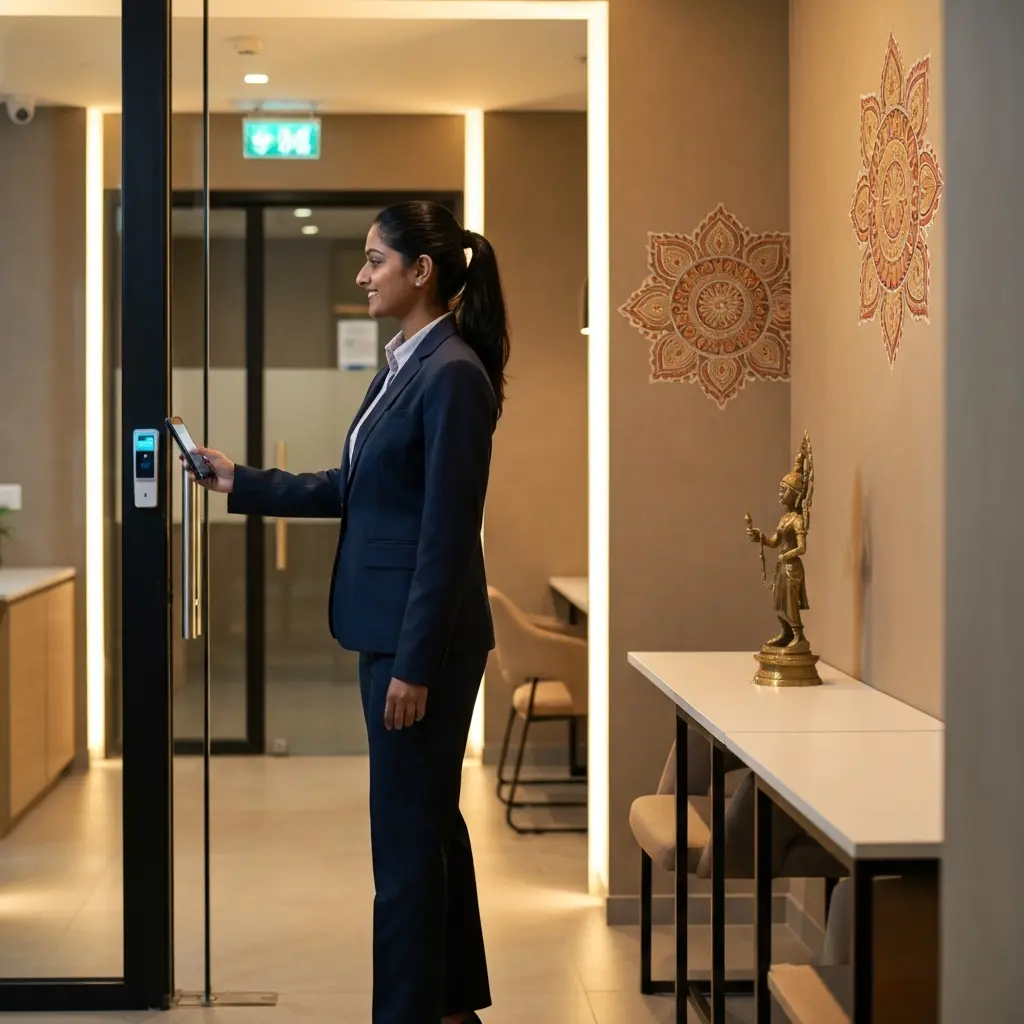
NFC (Near Field Communication) access control is a secure method for granting entry using a smartphone’s digital wallet. Instead of a physical RFID card or a standalone app, a member simply taps their phone against a reader. The technology operates at an ultra-short range (under 4cm), ensuring precise, intentional activation. This ‘Tap-to-Work’ standard is becoming integral to modern coworking management software 2026, as it streamlines operations, enhances security, and delivers the seamless experience that today’s professionals expect.
The Core Benefits: Cost, Security & Convenience
The shift to digital wallet credentials is driven by tangible advantages that directly impact a business’s bottom line and operational smoothness.
Eliminating Costly Physical Infrastructure
For an operator, the lifecycle cost of plastic RFID cards is significant. They require manual issuance, tracking, replacement for lost cards, and eventual disposal. For a growing SME managing its own small office or a branch manager overseeing a corporate satellite, similar hidden costs exist with traditional key systems or badge printers. Transitioning to native digital credentials can reduce these front-desk administrative hours by 35%. This translates directly into saved manpower and resources.
A key feature is the ‘Digital Wallet Lockers’ system, where the same tap credential used for building access also unlocks a member’s assigned secure storage locker. This unification eliminates another set of physical keys or separate card systems.
Crizone Pro Tip: For an Indian SME, reducing administrative overhead isn’t just about saving money; it’s about freeing your core team to focus on business development and client service, rather than managing office logistics.
Consider the comparative costs for a Chennai-based business with 20 team members:
| Item | Traditional Office / System | NFC Digital Wallet Solution |
|---|---|---|
| Initial Access Setup | ₹15,000 - ₹25,000 (Card system + printer) | ₹0 (Uses existing smartphones) |
| Annual Replacement/Lost Cards | ~₹5,000 | ₹0 |
| Admin Time for Access Management | 10-15 hrs/month | ~3-5 hrs/month (35% reduction) |
Enhancing Security & Operational Insight
Security is paramount, especially in a shared workspace environment. NFC technology’s short activation range is a critical advantage. It drastically reduces ‘tailgating’ risks—where someone follows closely behind an authorised person—compared to older, long-range RFID systems or Bluetooth which can be triggered from a distance.
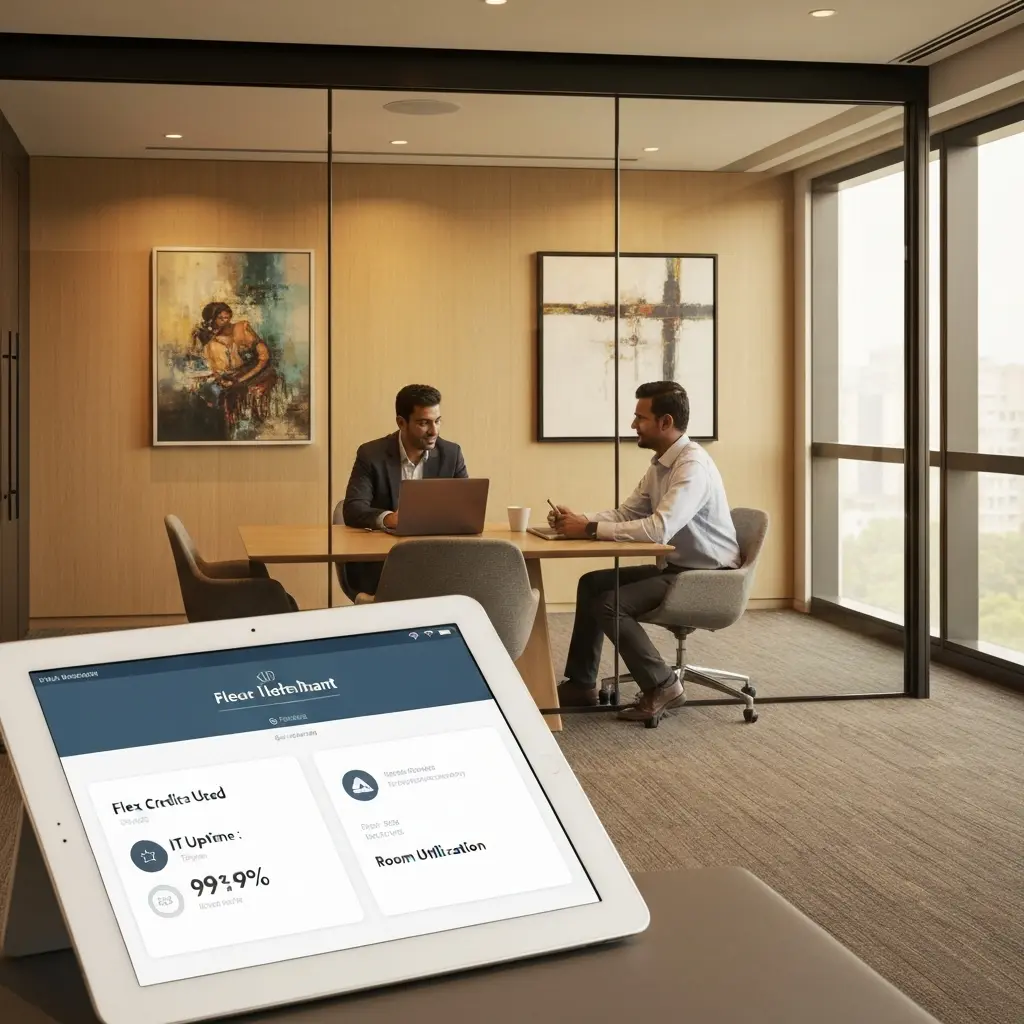
Furthermore, digital access logs from NFC entry points provide valuable real-time data. Facility managers can generate ‘Movement Heatmaps’ to understand peak usage patterns in common areas, restrooms, or meeting rooms. This allows for optimized cleaning schedules and security staffing, ensuring resources are deployed efficiently based on actual demand, not guesswork. For a business centre, this intelligence helps maintain a pristine, well-managed environment that members expect.
Delivering Unmatched Convenience & Flexibility
The modern professional, especially in India’s hybrid work model, values convenience above all. NFC credentials work directly from a phone’s native wallet, an app already used daily. There’s no need to download, login, or open a separate coworking app just to open a door. This ‘zero-latency’ access is a significant quality-of-life improvement.
A crucial technical benefit is that NFC-based digital keys remain functional in a device’s ‘Power Reserve’ mode. Even if a smartphone battery is dead, the member can still unlock doors for up to 5 hours. This reliability eliminates the frustration and productivity loss of being locked out due to a dead battery—a common concern in our busy schedules.
Manager Insight: This convenience extends to ‘Zero-Touch Onboarding.’ New IoT hardware, like occupancy sensors or smart HVAC controllers, can be deployed and paired with the network over 90% faster using simple tap-to-pair NFC protocols, further reducing setup time and technical overhead.
Is Hybrid Work Right for Your Team?
The adoption of seamless NFC access control is symptomatic of a larger trend: the irreversible shift to hybrid and flexible work models. A 2023 report by NASSCOM highlighted that over 60% of Indian tech companies now employ a hybrid policy. For a growing business, the question isn’t whether to adopt flexibility, but how to implement it efficiently.
Advanced 2026 software platforms now support ‘Inter-Space Roaming’ protocols. This means a single digital membership passport can grant ‘Tap-to-Work’ access across a global network of partner spaces. For an Indian startup with sales teams travelling to Bengaluru or Delhi, or a freelancer who works between Chennai and Coimbatore, this provides incredible operational continuity without managing multiple access methods.
Integrated management systems leveraging this access data are also delivering impressive ROI. By analysing usage, operators can identify ‘Under-Monetized Zones’—areas with high foot traffic but low booking revenue—and adjust offerings or pricing. For a business using such a space, this data-driven approach means the workspace itself evolves to better serve your actual needs.
The 2026 Outlook for the Indian Workspace Market
The global market for coworking management software is set to reach $2.21 billion in 2026, and India will be a significant contributor to this growth. The focus will move decisively from standalone tools to integrated Business Intelligence (BI) hubs where access control, space utilisation, billing, and community management are interlinked. NFC wallet integration will be the baseline expectation for premium spaces, driven by its clear benefits in cost reduction, security, and member experience. ESG (Environmental, Social, and Governance) goals will also become a stronger driver. Eliminating physical badges supports sustainability efforts; a typical 500-member hub can prevent the disposal of approximately 1,200 plastic RFID cards every three years by shifting to digital-first access. For businesses choosing a workspace, this alignment with corporate sustainability values will be an increasingly important factor.
Key Takeaways
- Adopt Digital-First Access: Prioritise workspaces or systems that use NFC digital wallet credentials over plastic cards to save on costs and administration.
- Value Security & Data: Choose solutions that provide not just entry, but secure, short-range activation and valuable usage insights to optimize your team’s environment.
- Ensure Reliability: Look for ‘Tap-to-Work’ systems that function even in a phone’s power reserve mode, guaranteeing access regardless of battery life.
- Plan for Flexibility: Select providers that offer ‘Inter-Space Roaming’ or are part of networks, giving your team flexibility across cities without logistical headaches.
- Align with Sustainability: Support ESG initiatives by opting for digital credentials that eliminate the waste and lifecycle costs of physical cards.
Conclusion
The future of productive workspaces in India is intelligent, integrated, and frictionless. The move to NFC access control within digital wallets is more than a tech upgrade; it’s a strategic shift that saves money, enhances security, and delivers the seamless experience that modern teams require to perform at their best. It represents the 2026 standard for operational excellence in flexible work environments. For businesses in Chennai looking to grow without the burdens of traditional office management, embracing this standard is a logical step forward. At Crizone Business Centre, we are integrating these advanced, calmly efficient systems to provide exactly this seamless, growth-oriented foundation for your business.
Continue your workspace search
Explore the most relevant Crizone pages next
If this article is part of your Chennai workspace research, these pages help you move from reading into comparing live plans, locations, and fit.
Explore coworking plans in Chennai
Compare day passes, dedicated desks, private offices, meeting rooms, and virtual office options from one commercial hub page.
Book a day pass in Chennai
Best fit if you need occasional workspace access, a short productive break from home, or a flexible desk for a single day.
Compare dedicated desk options
A stronger fit for regular monthly use when you want a fixed seat, better routine, and predictable workspace costs.