· Business Growth & Workspace · 7 min read
Beyond RTO Stalemate: How Commute-Parity Solves India's Office Friction
The rigid Return-to-Office push is costing firms 14% in turnover. Learn how the 'Third Workplace' and Commute-Parity subsidies offer a strategic, cost-effective alternative for Indian SMEs.

TL;DR: By 2026, rigid 5-day office mandates are driving a 14% turnover spike. The solution is ‘Commute-Parity’—companies subsidise local coworking memberships, trading costly central HQs for a network of ‘Third Workplaces’. This strategy cuts commute friction, boosts retention, and provides a flexible, professional infrastructure for distributed teams across India.
Introduction: The Unseen Cost of Chennai’s OMR Commute
The 2026 workspace debate is no longer about remote versus office. For Indian founders and branch managers, the pressing question is how to bring teams together without the crippling attrition and logistical strain of a rigid mandate. Aggressive 5-day Return-to-Office (RTO) policies, mirroring global trends, are proving counterproductive, with data showing a direct link to a 13-14% higher turnover rate. The primary friction point isn’t the office itself, but the daily commute—the hours lost in Bengaluru traffic or navigating Chennai’s OMR corridor. This RTO Stalemate creates a strategic impasse: how do you foster collaboration and culture while respecting the productivity and well-being gains of the hybrid era? The answer lies not in a binary choice, but in a sophisticated operational pivot towards Commute-Parity and the strategic use of a distributed ‘Third Workplace’.
What is Commute-Parity?
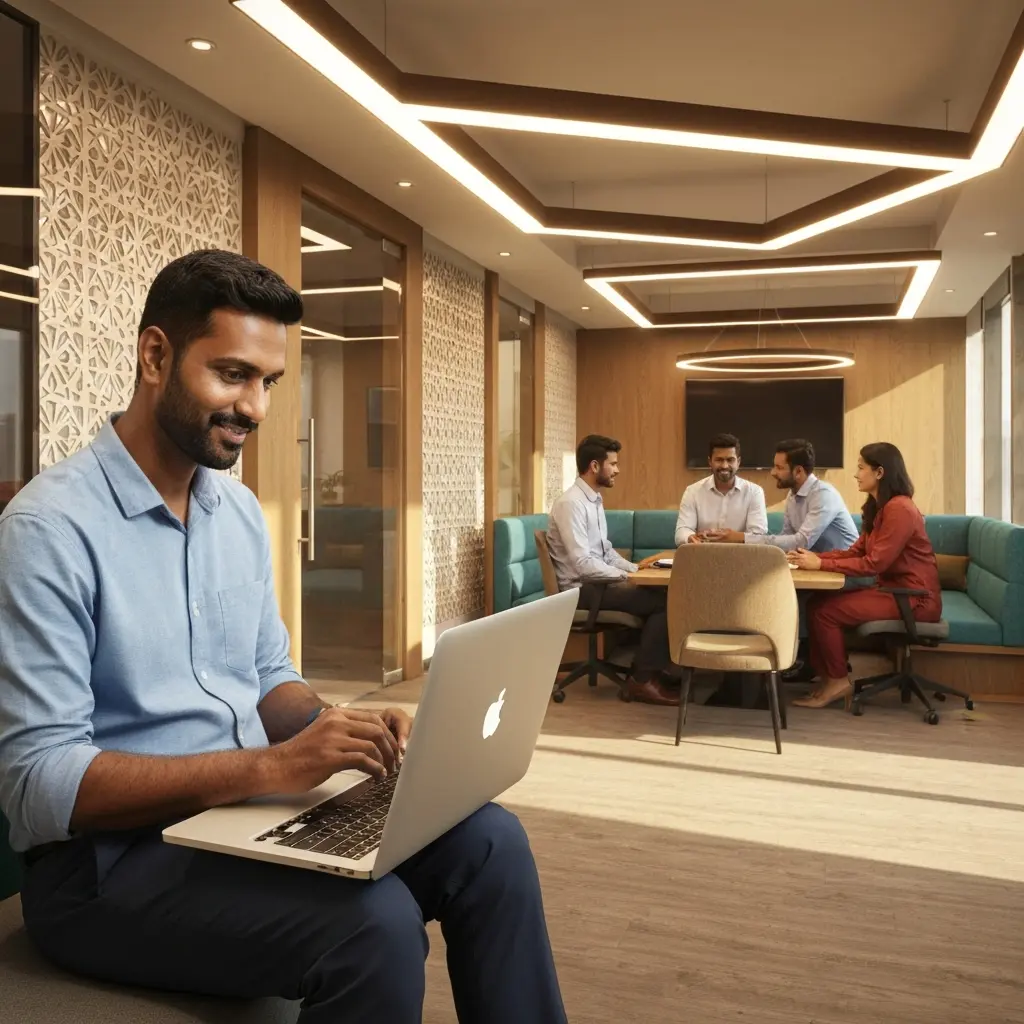
Commute-Parity is a strategic corporate policy where a company actively eliminates the primary disadvantage of office attendance—the lengthy, costly commute—by subsidising professional workspace memberships located close to where employees live. Instead of mandating a daily journey to a single, often distant, headquarters, the firm provides access to a network of premium flexible workspaces, effectively creating a ‘Fractional HQ’ in multiple neighbourhoods. This model acknowledges that the value is in providing a dedicated professional environment for focused work and collaboration, not in enforcing physical presence at a specific postal code.
The Data Driving the Shift: Why Flexibility Is Now Non-Negotiable
The global flexible workspace market, valued at over $50 billion in 2026, is growing at nearly 18% annually. This isn’t a temporary trend but a fundamental restructuring of corporate real estate. In India, this shift is accelerated by urban logistics and talent expectations. Key data points reveal the logic: 65% of new coworking memberships are now within a 15-minute commute, directly addressing the core friction. Furthermore, the demand has matured beyond open cafés; enclosed private offices now command 45.6% of the market share, as professionals seek quiet, secure spaces for deep work. For an Indian SME, this data signals that providing professional, proximate workspace is a powerful retention tool, with 92% of professionals willing to change roles for better location flexibility.
Crizone Pro Tip: A ‘Third Workplace’ strategy isn’t an expense; it’s a strategic talent acquisition and retention budget line. It signals to your team that you value their time and productivity over mere attendance.
Solving for Cost: The Portfolio Right-Sizing Imperative
For a growing business in Chennai, the financial calculus of workspace has changed irrevocably. A traditional 5-year lease in a Grade A building on Anna Salai or Mount Road locks in significant capital, covering fixed costs like rent, maintenance, and utilities for often underutilised space. The new model, Fractional HQ, converts this fixed cost into a variable, scalable operational expense. Global giants are leading the way, planning to allocate 58% of their office portfolio to flexible solutions by 2028. Locally, this translates to significant savings and agility.
Consider the comparison for a 10-person team:
| Cost Factor | Traditional Chennai Office (Annual) | Flexible Commute-Parity Solution (Annual) |
|---|---|---|
| Base Rent (800 sq. ft) | ₹ 9-12 Lakhs + 18% GST | ₹ 4-6 Lakhs (10 Dedicated Desks + Credits) |
| Maintenance & CAM | ₹ 1.5-2 Lakhs | Included in Membership |
| Furniture & IT Setup | ₹ 3-4 Lakhs (Capex) | Included / Provided |
| Operational Overheads (AC, Power) | ₹ 1-1.5 Lakhs | Included in Membership |
| Total Annual Outlay | ₹ 14.5-19.5 Lakhs | ₹ 4-6 Lakhs |
The freed-up capital—often exceeding ₹10 Lakhs annually—can be redirected towards growth initiatives, marketing, or higher talent compensation. This portfolio right-sizing is not about cutting corners but strategically reallocating resources from underperforming assets (empty desks) to business drivers.
Is a Distributed Team Less Collaborative? Data Says No.
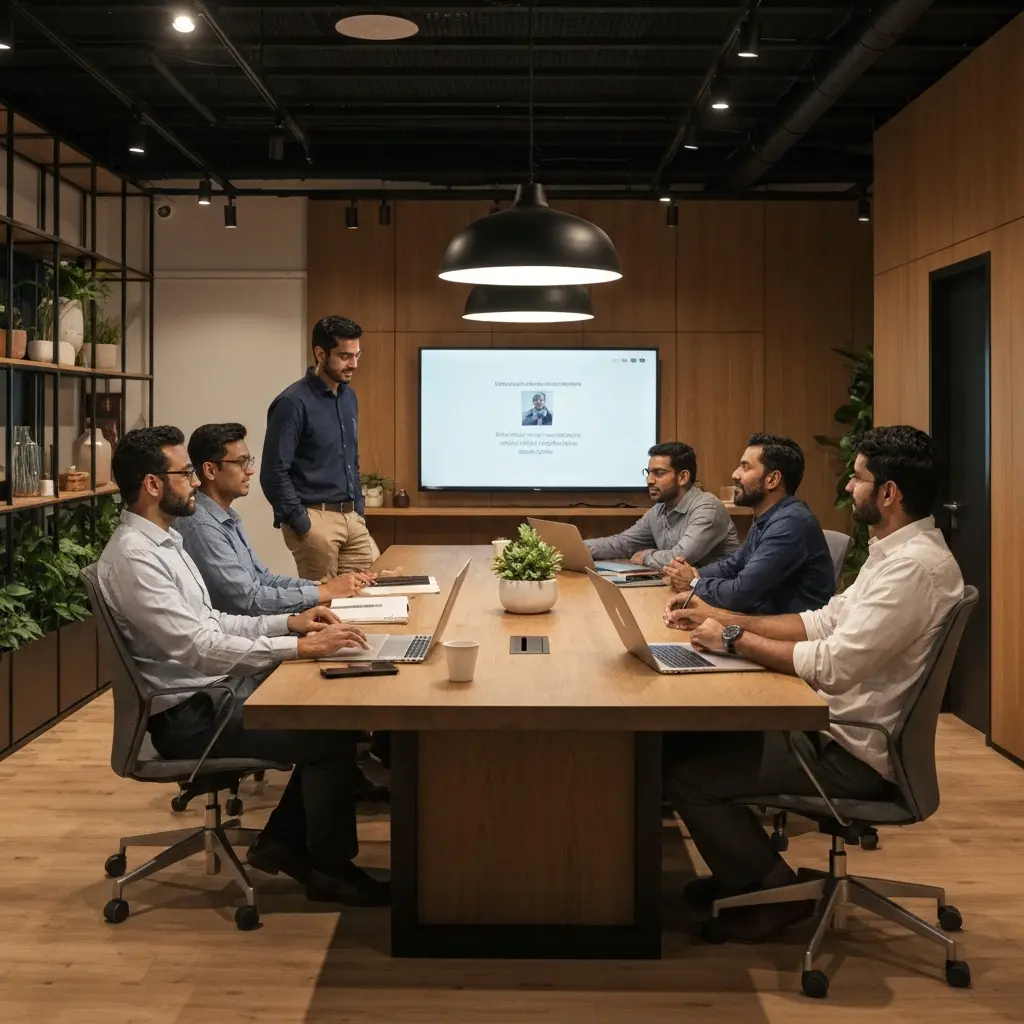
A common managerial fear is that a team spread across multiple locations will lose its collaborative spark. The 2026 data decisively counters this. Meeting room utilization in premium flexible workspaces has hit an all-time high of 65%. These spaces have evolved into essential ‘synchronization points’ for distributed teams. When team members use their local Third Workplace for focused work, planned in-person meetings become more intentional and productive. The hour saved skipping OMR traffic is an hour gained for strategic discussion. For an Indian startup, this means you can hire the best talent from across the NCR or Tamil Nadu, not just those within a commutable radius of your HQ, vastly expanding your talent pool without sacrificing cohesion.
Manager Insight: “Integration is key. Using automated seat-booking tools that sync with your company calendar transforms ad-hoc office days into managed collaboration sessions. It brings predictability to hybrid work.”
[Image of a workflow diagram showing Commute-Parity in action] Caption: A visual representation of the Commute-Parity model: Employees work from homes or local flexible workspaces (Third Workplace) for focus days, syncing at a central hub or other flexible spaces for planned collaboration, eliminating daily long commutes.
The 2026 Outlook for the Indian Workspace Market
The coming year will see the accelerated adoption of these models in India’s commercial hubs. We will witness a rise in asset conversion, with Grade B buildings in key residential neighbourhoods of Hyderabad or Pune being transformed into premium flexible workspaces to meet the ‘15-minute commute’ demand. Operational integration will deepen, with 76% of companies using API-driven tools to manage their distributed workspace portfolios seamlessly. The trend, as noted in JLL India’s recent futures report, is a move towards ‘hub-and-spoke’ models, where a smaller central flagship office is supported by a network of flexible spokes. For the Indian entrepreneur, 2026 is the year to transition from viewing real estate as a fixed asset to managing it as a dynamic, people-centric resource that directly supports growth and agility.
Key Takeaways for Indian Business Leaders
- Retention is a Workspace Issue: Rigid 5-day RTO mandates carry a quantifiable cost—up to 14% higher attrition. Flexibility is a core component of your employee value proposition.
- Adopt Commute-Parity Principles: Subsidise local, professional workspace access to remove the biggest barrier to office attendance. This is a strategic investment in productivity and well-being.
- Right-Size Your Real Estate Portfolio: Shift from a large, fixed-cost lease to a variable-cost model using Fractional HQ solutions. Reallocate the savings to core business growth.
- Leverage ‘Synchronization Points’: Use premium business centres for intentional collaboration. High meeting room usage data proves distributed teams meet more effectively, not less.
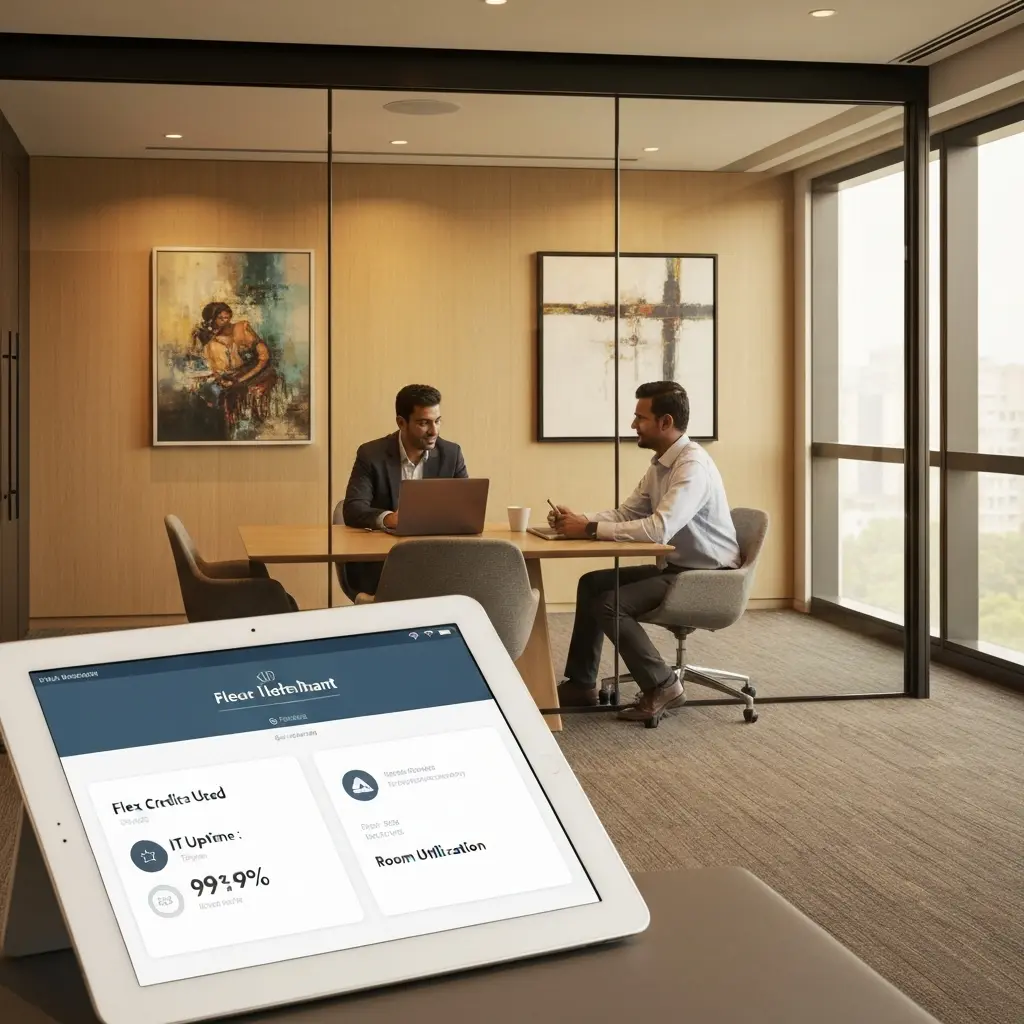
- Integrate Technology: Utilise seat and room management platforms to bring structure and visibility to your hybrid work policy, ensuring resources are used efficiently.
Conclusion: Moving Beyond the Stalemate
The RTO Stalemate of 2026 presents a clear choice: force an outdated model and face attrition, or innovate your workspace strategy to align with how modern work actually happens. The solution isn’t a full retreat to home offices, but a strategic embrace of the Third Workplace. By implementing Commute-Parity through a network of professional, well-located spaces, companies can offer the best of both worlds: the focus and infrastructure of an office without the punitive commute. This isn’t just a trend; it’s the new operational blueprint for resilient, talent-focused businesses in India. For companies in Chennai looking to implement this model seamlessly, Crizone Business Centre provides the ideal network of professionally managed, strategically located workspaces designed to be your growth partner’s Fractional HQ.
Continue your workspace search
Explore the most relevant Crizone pages next
If this article is part of your Chennai workspace research, these pages help you move from reading into comparing live plans, locations, and fit.
Explore coworking plans in Chennai
Compare day passes, dedicated desks, private offices, meeting rooms, and virtual office options from one commercial hub page.
Book a day pass in Chennai
Best fit if you need occasional workspace access, a short productive break from home, or a flexible desk for a single day.
Compare dedicated desk options
A stronger fit for regular monthly use when you want a fixed seat, better routine, and predictable workspace costs.