· Coworking · 7 min read
Chennai Coworking Etiquette for Shared Office Focus
Learn Chennai coworking etiquette for shared offices, covering food smells, phone calls, headphones, resource care, and tea-break deep focus in workdays.
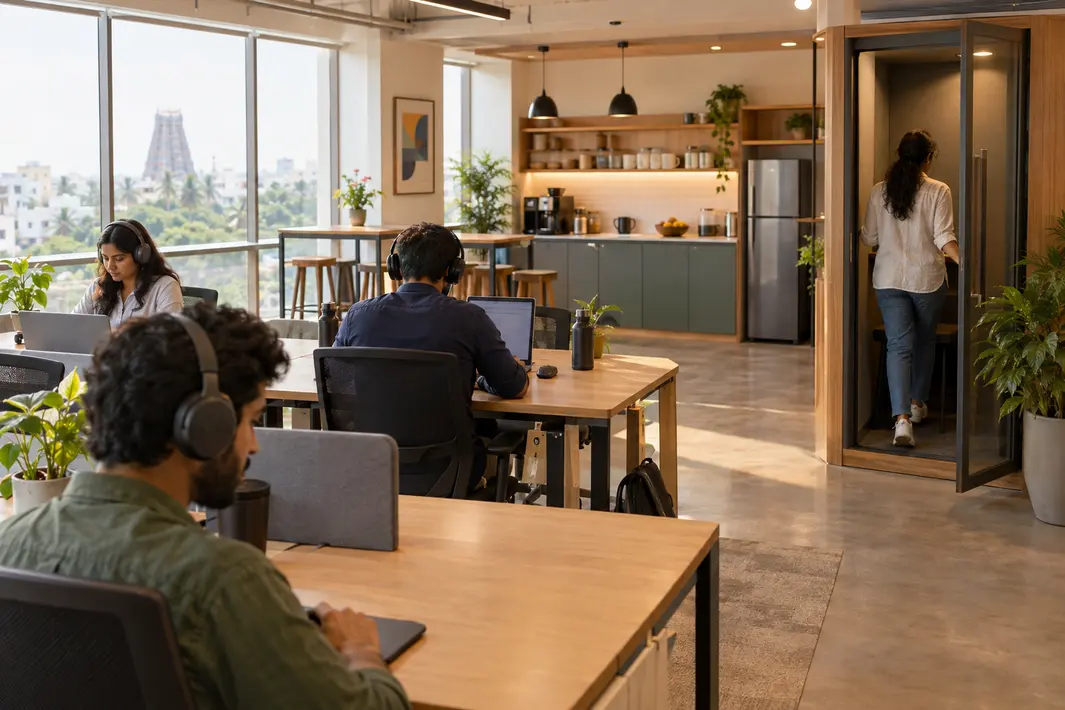
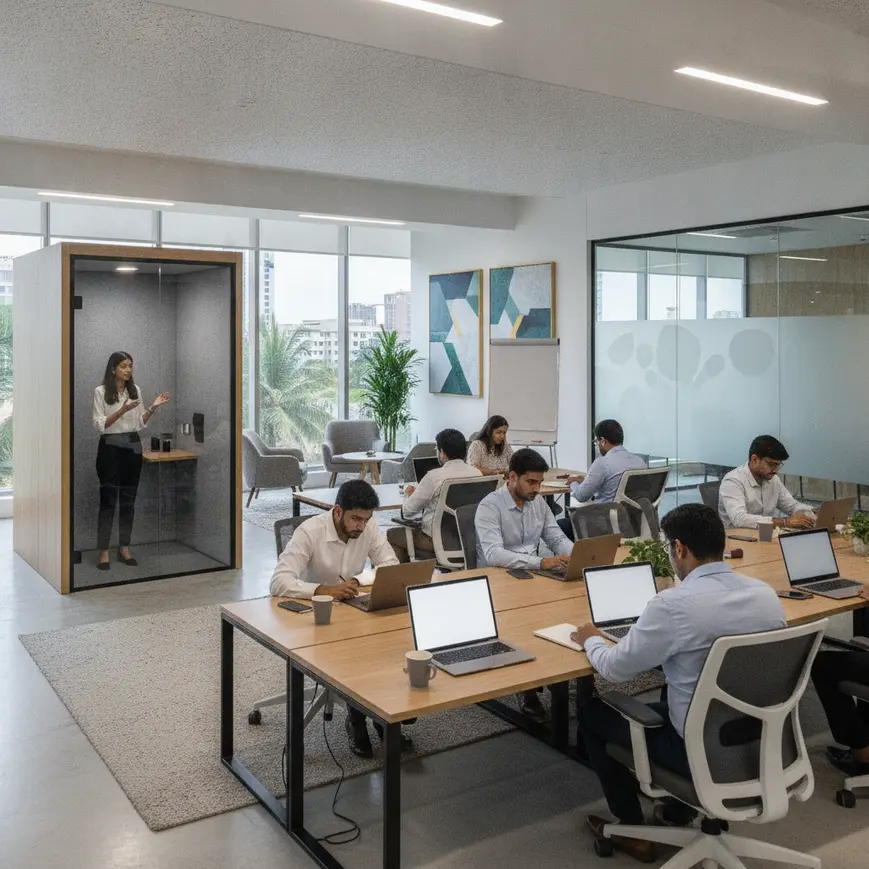
Chennai coworking etiquette works best when you treat the shared floor as both a work engine and a social room: protect focus, keep smells and noise away from desks, and show respect through small habits. This guide is for founders, freelancers, and small-business owners who need to stay productive without offending the people they work beside.
Why Chennai workspaces need a social lens
Chennai business culture is relational. A colleague request can sound like a friend asking for help, and refusing too bluntly can damage goodwill. At the same time, high productivity needs clear boundaries. This tension makes shared office rules India teams need less about rigid signage and more about reading the room.
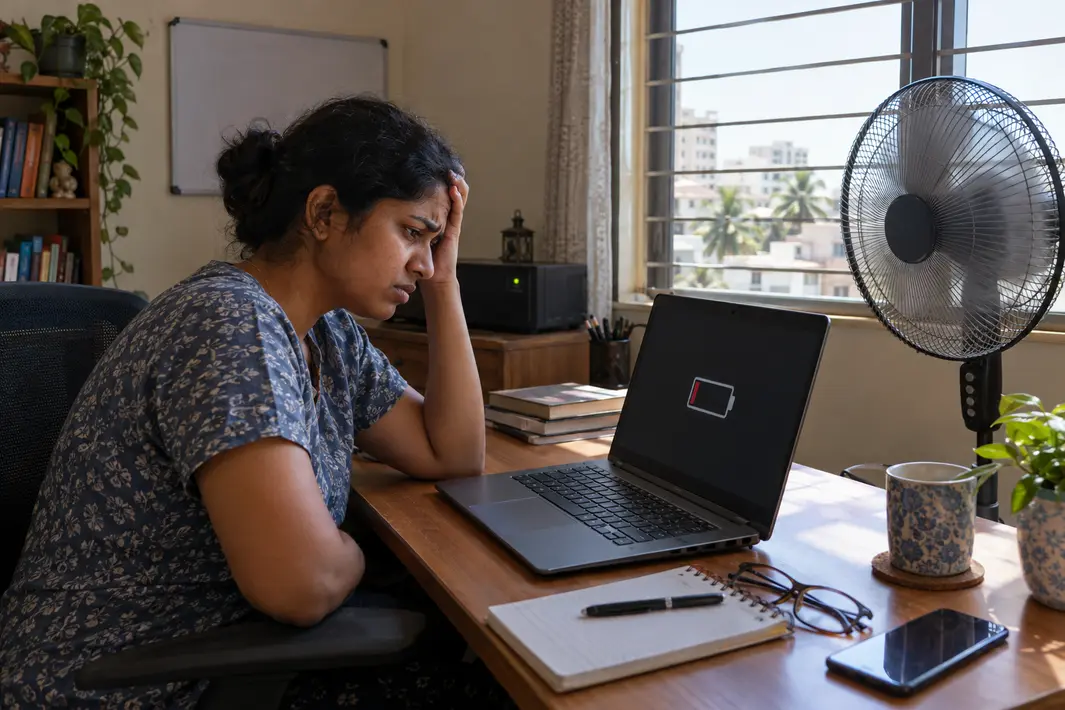
The city adds another layer. Humidity makes food aromas linger, so a lunch that seemed harmless at noon can irritate neighbours all afternoon. Heat can make people slower, more distracted, and quicker to feel crowded. Long commutes can leave founders and freelancers tired before deep work starts, so the final hours often become a test of willpower before the exit rush. In such a setting, good etiquette is not decoration; it is the practical operating system of a shared workspace.
Keep meals and sambar away from the desk
In many Chennai workspaces, tiffin is normal. A quick idli, rice, or sandwich eaten quietly at an empty desk may be acceptable. But sambar, fish fry, strong pickle, or fragrant curry are different. Smell does not stay only in the room; it clings to chairs, fabric, and open laptops.
A practical habit is simple:
- Eat full meals in the pantry or cafeteria.
- Take light tiffin at a desk only if the aroma is mild and neighbours are not close.
- Wipe crumbs, close containers, and dispose of waste properly.
- Label and seal stored food, and do not let forgotten lunches turn the pantry into a complaint zone.
The trade-off is that pantry trips cost time. But they protect open desk habits Chennai users depend on: no lingering smell, no oily keyboard, and no neighbour distracted for hours. If the centre has good ventilation, use it. If the pantry is far, plan a lunch walk rather than eating at the desk and hoping the smell disappears.
Check volume before the machaan effect begins
Local business talk can be warm, animated, and fast. That is not a flaw; it is a social style. But in a coworking floor, the same volume that works in a conference room can feel like a shout across the desk.
For calls that are high-energy, personal, or long, move to a phone booth, meeting room, or corridor. If you are unsure, ask whether your neighbour can follow their own thought while hearing you. A useful test is to listen to your own call from the desk edge; if the words are easily readable, the room is losing focus.
Good shared-office behaviours:
- Start calls with a lowered voice, then increase only if needed.
- Avoid personal disputes, family matters, or finance talk on speakerphone.
- If your voice rises with excitement, step away rather than apologising later.
- Use text or a booking tool for quick questions instead of interrupting a person in flow.
The downside is that stepping away may reduce spontaneous collaboration. A polite fix is to let neighbours know you will take the call and return, rather than drifting away with headphones half-off. In a small team, a brief acknowledgement also preserves trust: people know you are not hiding, you are simply protecting their headspace.
Use headphones as the quiet mariyaadhai signal
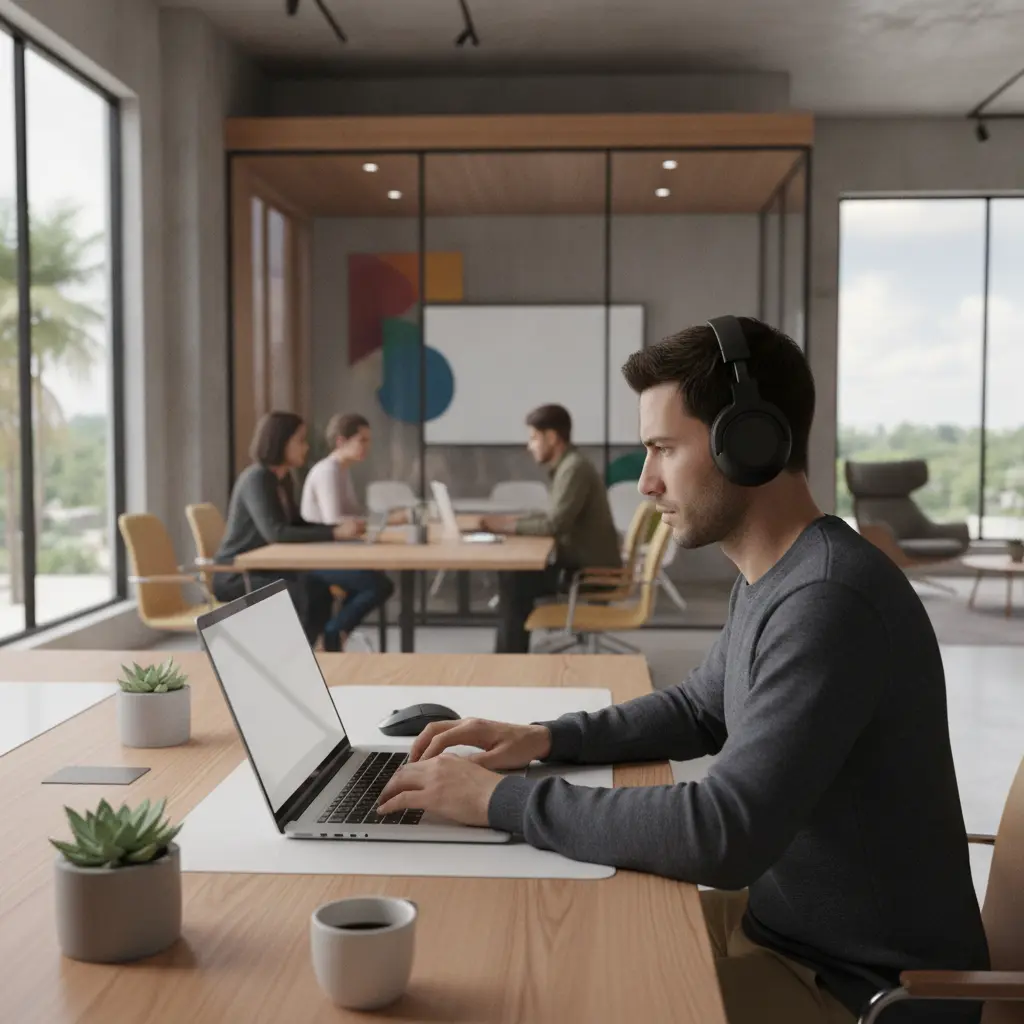
In a Chennai workspace, headphones are not just noise control. They are a respectful boundary. They say: I am here, but I am not interrupting. The challenge is making that signal visible without seeming cold.
Some simple etiquette:
- Keep an earbud out if you want to be approachable for urgent matters.
- Use noise-canceling for deep work, then remove them for conversation.
- Pair headphones with a status update or quiet-zone indicator if your centre supports it.
- If a colleague wears headphones, do not assume they ignore people; wait for a glance or use a message tool.
- If you need to interrupt, ask for a brief pause rather than starting the conversation mid-thought.
This protects productivity in Chennai workspace rhythms and prevents the common problem where a colleague asks for help for a few minutes and ends up taking a much longer slot. The drawback is that headphones can look unfriendly. The fix is small body language: a brief nod, a raised hand, or a message saying you will speak after closing your current task.
Respect shared resources, especially chairs and chargers
Resource stewardship is where office manners become visible. A charger left at another seat, a bag on an empty chair, or a meeting room booked too long can feel like quiet theft.
During the busiest desk hours, when seats and power are in short supply, be extra careful:
- Return borrowed chargers, adapters, or cables immediately.
- Label your charger or keep it connected only while you use it.
- Do not store a bag on an empty chair if a person needs it.
- Clear desks when you leave for long periods.
- Treat printers, whiteboards, coffee machines, and cables as shared assets, not personal tools.
- Leave meeting rooms as you found them: erase boards, tidy chairs, reset cables.
The social reason matters: returning a charger quickly builds trust. Parking a bag during a busy hour may signal that your things are worth more than the comfort of neighbours. The honest drawback is that these small clean-up steps feel tedious when you are rushing. Still, the cost is low compared with the quiet resentment they prevent.
Handle the late-afternoon tea filter without offence
Chennai tea and coffee breaks are more than refreshment. They are where deals soften, teams bond, and people decompress. Saying no in the late hours can feel rude, even when you need to finish before the commute.
Try these habits and scripts:
- Acknowledge the invitation warmly, say you will join tomorrow, then return briefly.
- Bring your own cup and keep the break short if you cannot fully join.
- Book a quiet meeting-room session for urgent deep work so leaving the desk looks deliberate.
- Check your exit window early. If you travel by metro, remember that Chennai metro peak hours office routes can feel crowded and slower.
- If you drive, plan around Mount Road, OMR, or other busy corridors during evening rush.
The key is not to reject tea; it is to give a reason that protects the relationship. A short, genuine explanation such as closing an urgent task for a client before travel can maintain warmth without inviting a long debate.
Practical checklist for a respectful shared desk
| Situation | Polite move | Why it works |
|---|---|---|
| Strong food smell | Move to the pantry | Protects comfort |
| Animated call | Take the call away | Preserves focus |
| Headphones on | Send a message first | Respects deep work |
| Empty chair at busy time | Keep bag off it | Maintains trust |
| Late tea invitation | Acknowledge and reschedule | Saves goodwill |
Choose a workspace that supports good etiquette
Not every floor makes etiquette easy. Look for these features:
- Phone booths or quiet call rooms.
- Ventilated pantry with strong waste bins.
- Clear rules about meals, bookings, and noise.
- Enough chairs for hot desk cycles during busy hours.
- A front desk or community manager who can gently enforce norms.
A centre that combines social warmth with practical infrastructure can make the difference between a productive day and an exhausted one. When comparing options, including Crizone as a Chennai workspace option, look for the boundaries that make daily etiquette easier: proper pantry space, quiet call zones, and community support that keeps shared norms without becoming rigid. The best centre is not the place with the loudest community events, but the place where a small team can work deeply and still leave with goodwill.
Continue your workspace search
Explore the most relevant Crizone pages next
If this article is part of your Chennai workspace research, these pages help you move from reading into comparing live plans, locations, and fit.
Explore coworking plans in Chennai
Compare day passes, dedicated desks, private offices, meeting rooms, and virtual office options from one commercial hub page.
Book a day pass in Chennai
Best fit if you need occasional workspace access, a short productive break from home, or a flexible desk for a single day.
Compare dedicated desk options
A stronger fit for regular monthly use when you want a fixed seat, better routine, and predictable workspace costs.
- Coworking Etiquette
- Chennai Workspaces
- Productivity Habits