· Business Growth & Workspace · 6 min read
Creator Economy 2026: How Flex-Space is Evolving for High-Earning Professionals
The digital nomad and creator economy are converging into a high-value demographic. This blog explores the 2026 trends in professional coliving and flex-space, and what it means for Indian entrepreneurs and businesses.
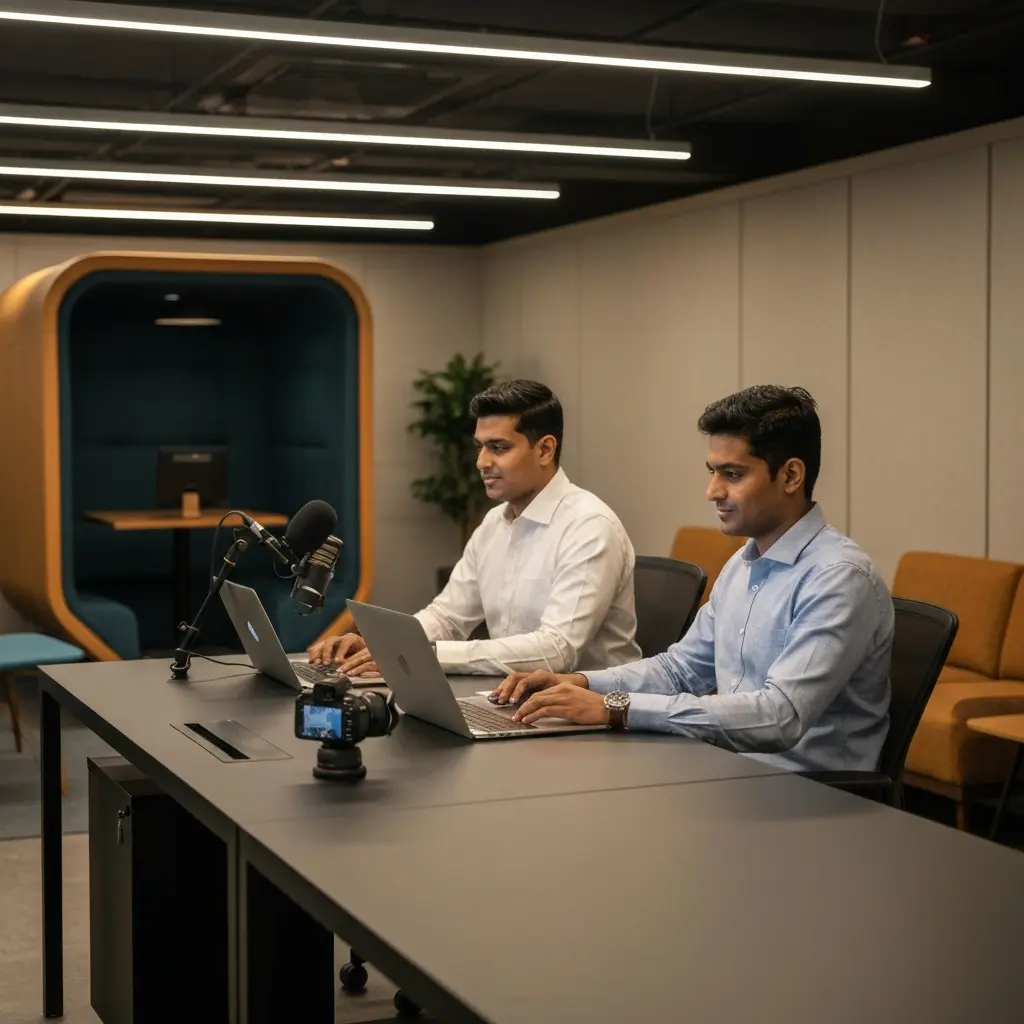
TL;DR: The digital nomad is evolving into a high-earning professional, often a creator or founder. By 2026, premium flex-spaces must offer more than a desk—they need high-production facilities, family-ready infrastructure, and strategic networking to attract this valuable demographic. This shift presents a major opportunity for Indian businesses to access global talent and partnerships.
For the Indian entrepreneur, the traditional office lease represents a significant capital lock-in and operational rigidity. In cities like Chennai, navigating rising commercial rents on OMR, managing GST-compliant utility bills, and accounting for employee commute times are persistent challenges. Simultaneously, the global talent pool is becoming more mobile and valuable, with high-earning professionals seeking workspaces that fuel both their business and lifestyle. The convergence of the mature digital nomad and the booming creator economy is redefining what a premium workspace must be, moving far beyond transient hot-desking to integrated, growth-oriented ecosystems.
What is the Creator Economy 2026 Convergence?
The Creator Economy 2026 convergence describes the maturation of the digital nomad movement, where it now overlaps significantly with established, high-income professionals from the creator and startup sectors. This demographic, predominantly aged 30-49, requires workspaces that support serious business production, strategic networking, and often, family mobility. It signals a shift from cost-saving remote work to value-driven professional hubs that act as catalysts for business growth, demanding facilities like content studios, soundproofed call rooms, and coliving options.
Why This Demographic Shift Matters for Indian Businesses
The profile of the mobile professional is no longer that of a budget-conscious backpacker. Nearly half (49%) are now aged 30-39, with an additional 38% over 40. These are individuals with established careers, higher disposable incomes, and serious business ambitions—exactly the profile of potential clients, partners, or talent for growing Indian SMEs. Furthermore, 2026 visa regulations in countries like Japan now mandate minimum annual incomes exceeding $67,000 (approx. ₹55 Lakhs), effectively filtering for a high-net-worth, professional global network. For a Chennai-based tech startup, sharing a workspace with such individuals isn’t about cost-sharing; it’s about opportunity-sharing and accessing a tier of global business acumen previously concentrated in traditional financial hubs.
Crizone Pro Tip: When evaluating a flex-space, look beyond the per-desk cost. Assess the professional calibre of the community. A hub attracting established founders and creators can become your informal international business development office.
The New Flex-Space Blueprint: From Desks to Ecosystem Hubs
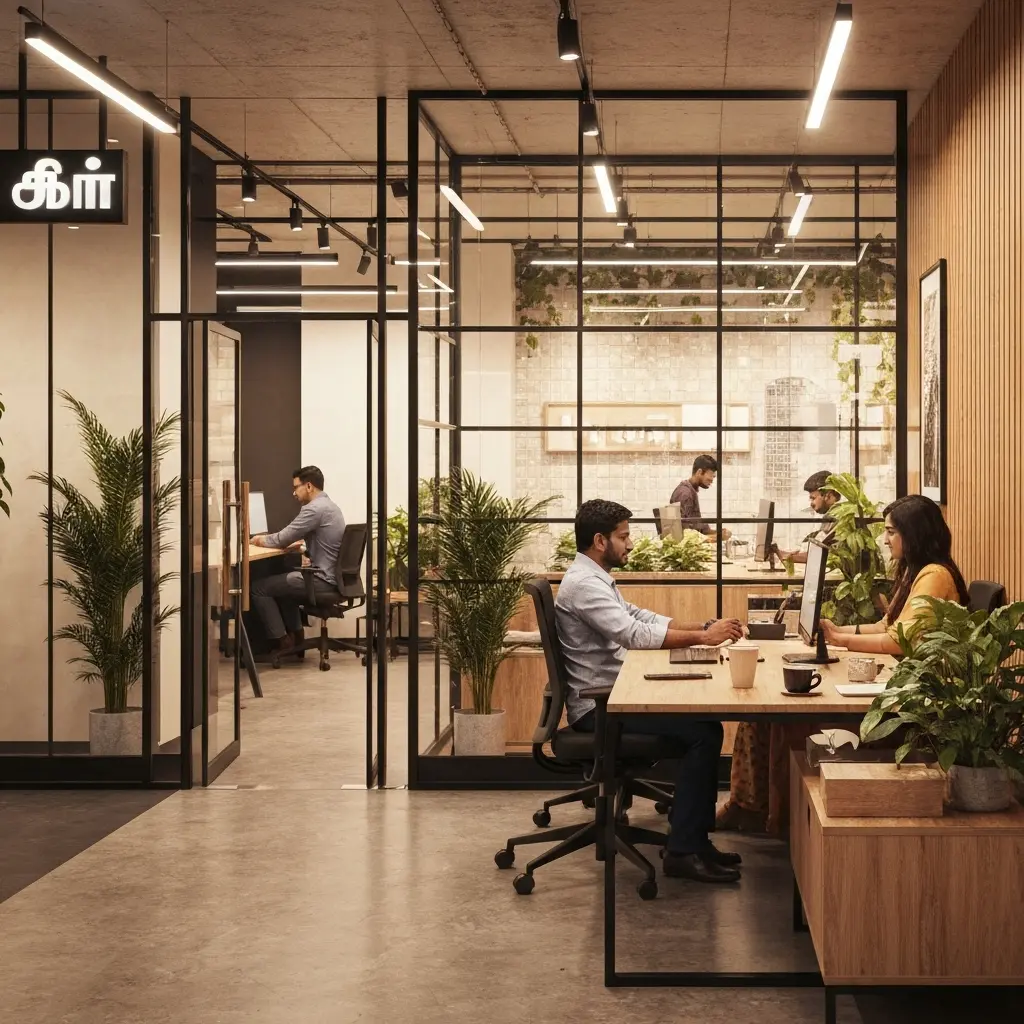
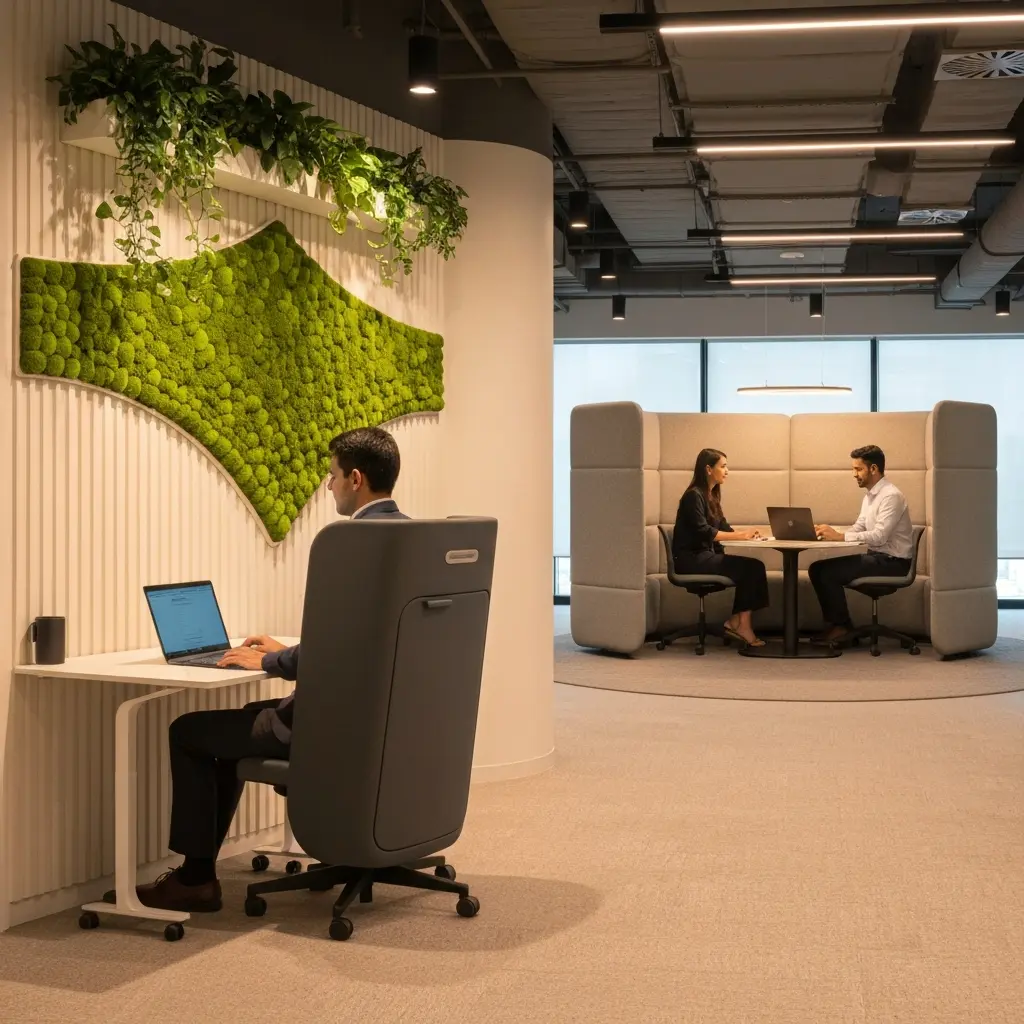
To serve this market, workspace design is undergoing a fundamental pivot. The standard 10-person meeting room is being replaced by high-production content studios and soundproofed podcast suites, catering to the 14% of nomads who are founders or digital creators. Retention is increasingly driven by ‘Professional Connectivity’—34% now choose hubs based on strategic networking potential—rather than just social events. This creates a naturally collaborative environment where a freelance consultant from Chennai can seamlessly partner with a UX designer from Berlin on a client project, all within the same professional ecosystem. The infrastructure supports not just work, but the creation and scaling of intellectual property.
[Image of a modern flex-space floor plan highlighting zones: High-Production Studio, Soundproof Phone Booths, Collaborative Lounge, Dedicated Desks, and Coliving Access]
The Financial Logic: Stability and Premium Yields
This shift is backed by solid institutional investment, with capital deployment into nomad-centric infrastructure doubling to $4.1 billion in the recent cycle. The economics are compelling: professional-grade coliving assets deliver net yields of 5.2–6.8%, a significant premium over traditional apartments. Operationally, the model has stabilised. The average residency length in these hubs is now 8.3 months, reducing turnover costs and driving occupancy to 93.4%. Revenue is captured through ‘all-inclusive ecosystem pricing,’ with RevPAB (Revenue Per Available Bed) ranging from $850 to $1,200. For the Indian context, this translates to a move away from volatile, short-term rentals toward a model that values—and monetises—consistency, quality, and comprehensive service.
| Metric | Traditional Short-Term Rental (Chennai Premium Locale) | Institutional Professional Coliving Hub |
|---|---|---|
| Avg. Stay Length | 1-3 months | 8.3 months |
| Occupancy Rate | ~75-80% (seasonal) | 93.4% (stabilised) |
| Revenue Model | Rent + Separate Utilities | All-inclusive Ecosystem Fee (Workspace, Living, Amenities) |
| Tenant Profile | Mixed | Filtered, High-Income Professionals |
Is Your Workspace Ready for the 2026 Professional?
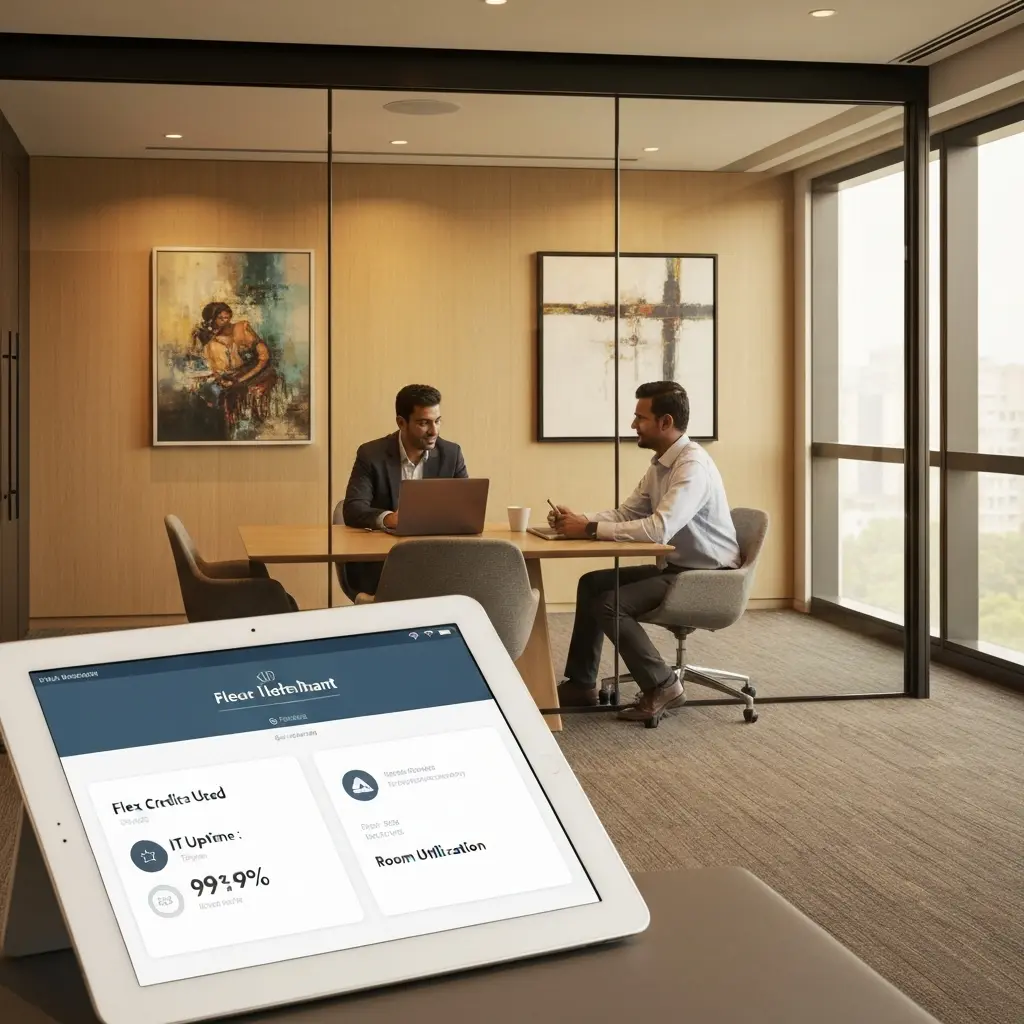
Indian businesses must ask if their current office strategy aligns with this trend. Can your space facilitate a high-stakes investor pitch over Zoom with studio-quality audio? Does it attract the kind of professionals who could become your next major client? The demand is moving toward spaces that understand the needs of a 35-year-old founder traveling with family, requiring not just a reliable internet connection but also proximity to international schools and healthcare. The workspace becomes a critical tool for talent attraction and retention, both locally and for the global professionals you may wish to engage.
Manager Insight: The future isn’t just remote work; it’s strategic co-location. Your office address should signal your business’s ambitions and open doors to a community that accelerates growth, turning incidental conversations into contracts.
The 2026 Outlook for India’s Workspace Market
India will see a pronounced bifurcation in the flex-space market. Basic co-working will compete on price, while premium operators will aggressively integrate coliving, high-end production facilities, and curated professional communities, especially in gateway cities like Chennai, Bengaluru, and Gurugram. We anticipate partnerships between Indian flex-space brands and global coliving operators to capture the inbound flow of high-earning digital professionals seeking a base in Asia. Furthermore, Indian entrepreneurs will increasingly leverage these hubs for their own ‘soft-landing’ packages when exploring markets in Southeast Asia or Europe, using the trusted network of their home workspace provider.
Key Takeaways
- The most valuable mobile professionals are now established creators and founders in their 30s and 40s, not entry-level remote workers.
- Premium workspaces must evolve into ‘Ecosystem Hubs’ with professional-grade production studios and soundproofing for serious business.
- Retention is driven by strategic networking opportunities (Professional Connectivity), making community curation as important as physical design.
- The financial model has matured, offering stable, long-term residency (8+ months) and attracting significant institutional investment.
- For Indian businesses, selecting such a workspace is a direct growth strategy, providing access to a filtered, high-value global network.
This convergence represents more than a trend; it’s a fundamental re-engineering of the professional environment around output, value, and sustainable growth. The workspace is no longer a passive container but an active participant in business development. For forward-thinking businesses in Chennai, aligning with a partner that understands this shift is crucial. At Crizone Business Centre, we are architecting this future today—designing calm, efficient, and connected ecosystems where high-performing professionals and businesses converge to build what’s next.
Continue your workspace search
Explore the most relevant Crizone pages next
If this article is part of your Chennai workspace research, these pages help you move from reading into comparing live plans, locations, and fit.
Explore coworking plans in Chennai
Compare day passes, dedicated desks, private offices, meeting rooms, and virtual office options from one commercial hub page.
Book a day pass in Chennai
Best fit if you need occasional workspace access, a short productive break from home, or a flexible desk for a single day.
Compare dedicated desk options
A stronger fit for regular monthly use when you want a fixed seat, better routine, and predictable workspace costs.