· Business Growth & Workspace · 6 min read
Slowmad Pivot: Flexible Workspaces for 2026 Growth in India
Discover how the 'Slowmad' trend reshapes workspace demand for Indian SMEs. Learn to reduce costs, attract talent, and boost growth with flexible solutions in Chennai and beyond.

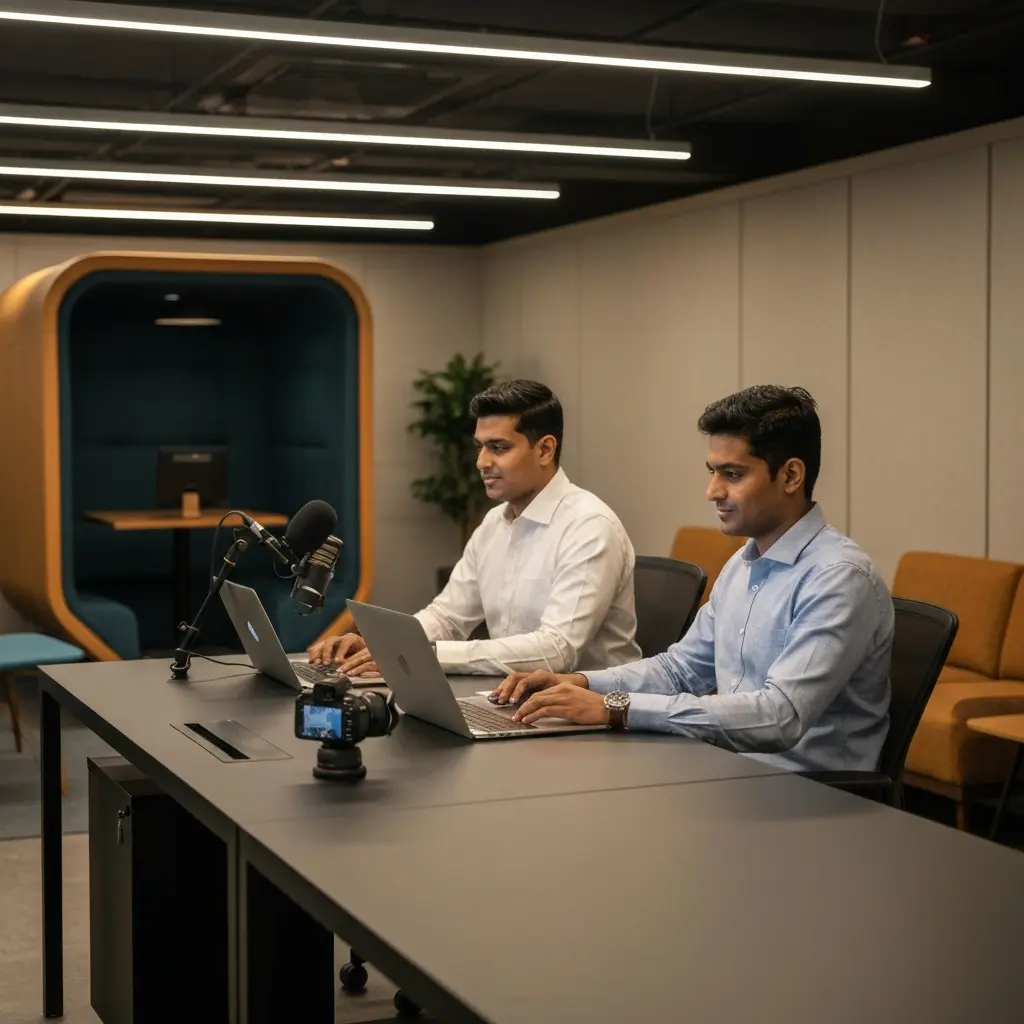
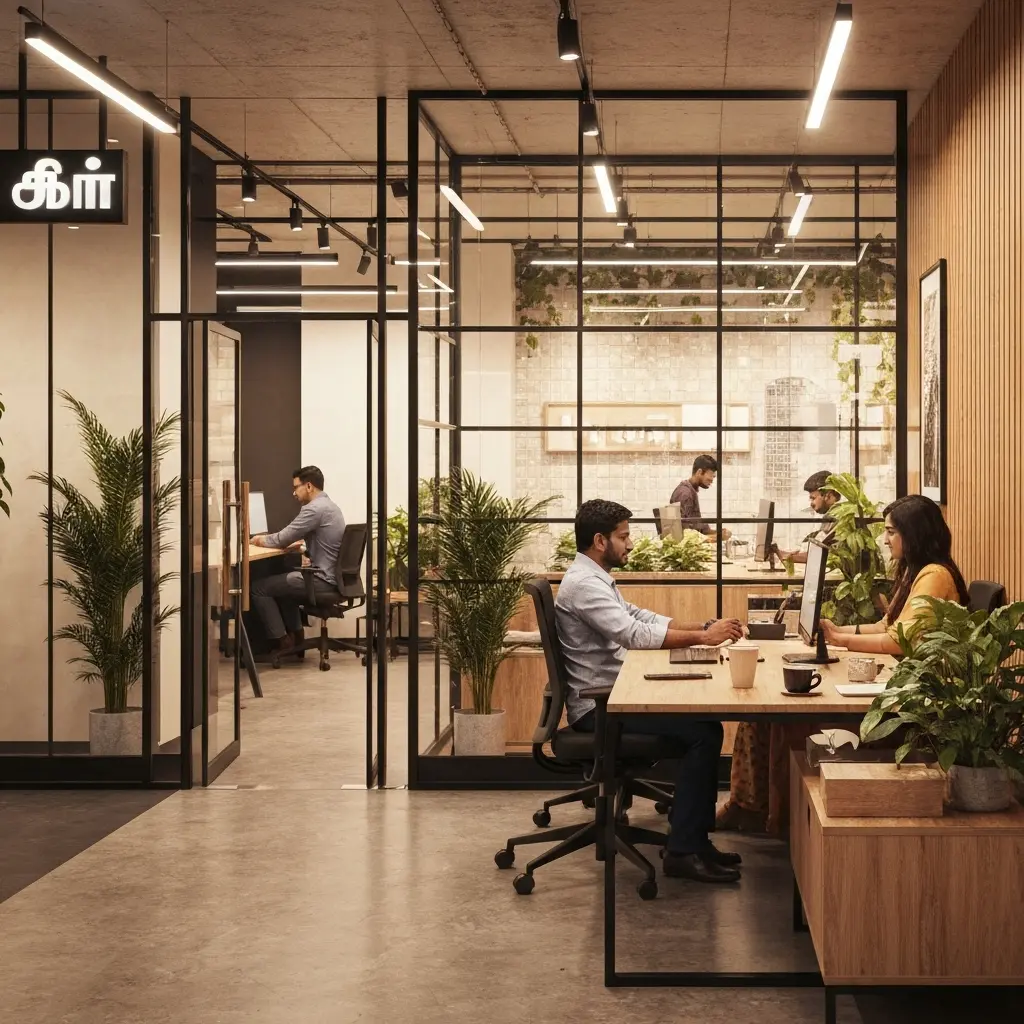
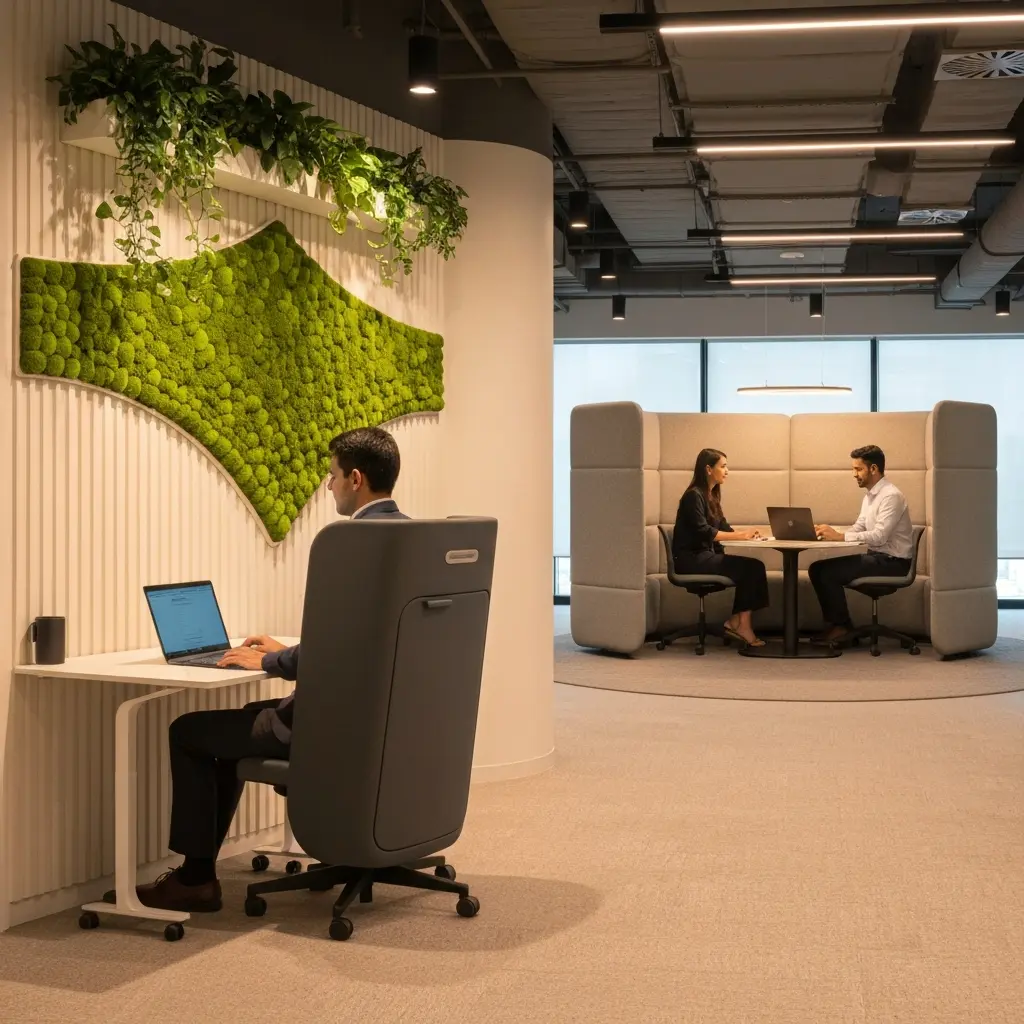
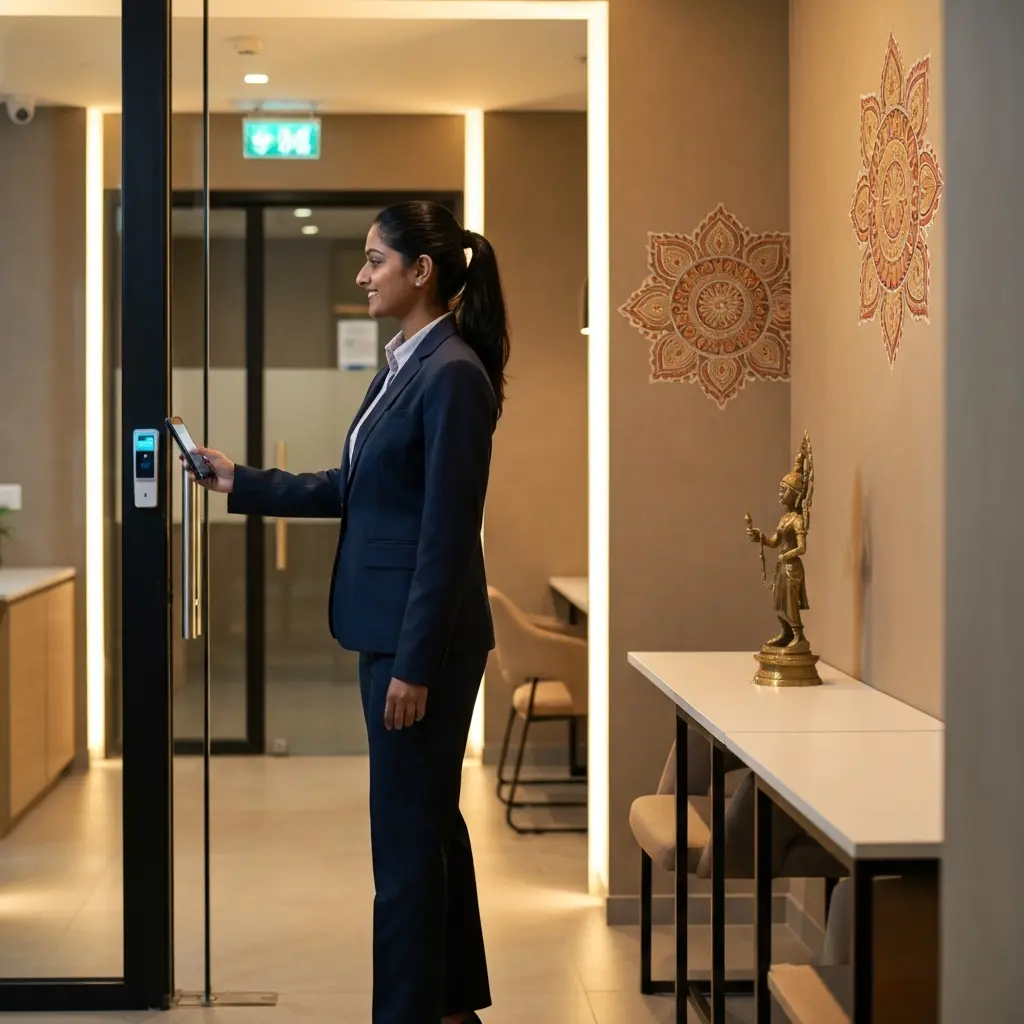
TL;DR: The rise of ‘Slowmads’—professionals on extended stays—is reshaping global workspace demand towards integrated living-working solutions. For Indian businesses, this trend highlights the strategic advantage of flexible spaces in reducing costs, attracting talent, and fostering growth.\n\nIndian businesses, especially in metros like Chennai, face escalating commercial rent, gruelling commutes on OMR, and the challenge of retaining top talent. The rigid three-year lease model is increasingly misaligned with the agile needs of modern startups and SMEs. Concurrently, a global shift is underway: the ‘Slowmad’ pivot, where digital professionals seek economic residency for 3-12 months, blending work and life in single locations. This evolution from perpetual tourism to stable contribution presents both a challenge and an opportunity for growth-oriented firms in India.\n\n## What is the ‘Slowmad’ Pivot?\nThe ‘Slowmad’ pivot refers to the strategic shift in the digital nomad landscape from short-term travel to long-term economic residency. Professionals now leverage formal remote work visas to live and work in a single location for 3 to 12 months, demanding a hybrid of residential comfort and professional-grade workspace. This trend redefines flexible living as a core component of business infrastructure for the global resident-worker.\n\n## The Economic Residency Era: Stability Meets Flexibility\nWith over 70 countries offering remote work visas by 2026, governments are treating these workers as economic assets. This has institutionalized demand, leading to coliving occupancy rates of 85-95%, outperforming traditional rentals. For Indian SMEs, this signals a stable market for flexible workspace operators, ensuring premium facilities remain viable and community-driven. The trend towards visas like Indonesia’s E33G or Italy’s ‘Highly Skilled’ visa emphasises attracting high-value talent, which Indian businesses can emulate by offering premium workspaces to global professionals.\n\n| Cost Component | Traditional Office Lease (Chennai, per month) | Flexible Workspace Solution (Monthly Membership) |\n|----------------|-----------------------------------------------|--------------------------------------------------|\n| Base Rent | ₹1.2 Lakhs - ₹2.5 Lakhs | ₹30,000 - ₹70,000 |\n| Property Tax | ₹15,000 - ₹30,000 | Included |\n| AC & Utilities | ₹25,000 - ₹40,000 (vital in humid climate) | Included |\n| Maintenance | ₹10,000 - ₹20,000 | Included |\n| Total | ₹1.7 Lakhs - ₹3.4 Lakhs | ₹30,000 - ₹70,000 |\n\n> Crizone Pro Tip: A flexible membership converts fixed capital expenditure into variable operational cost, freeing up ₹10-15 Lakhs annually for core business investment like marketing or R&D. This agility is crucial during India’s festive seasons when cash flow management is key.\n\nAccording to a 2025 NASSCOM report, Indian tech startups adopting flexible workspaces reported a 20% reduction in operational overhead, aligning with this global efficiency trend. The institutional consolidation in coliving, with major players managing thousands of units, mirrors the reliability that established operators like Crizone bring to Chennai’s business ecosystem.\n\n## Redefining Workspace: Integrated Living and Professional Hubs\nThe demand for ‘integrated coworking’ in residential spaces has risen, with 62% of coliving facilities featuring dedicated workspaces. Single-occupancy rooms now dominate 50% of the market for privacy, while 49% host weekly networking events. This mirrors the needs of Indian freelancers and SME teams who value proximity to work-life amenities without sacrificing professional connectivity. For example, skipping Chennai’s OMR traffic by working near Metro-connected hubs enhances daily productivity.\n\n[Image of a modern Indian professional working in a sleek, integrated workspace with residential touches like plants and soft seating]\n\n> Manager Insight: “The line between office and home is blurring. Professionals seek spaces that support deep work during the day and community engagement after hours, a balance we design for at Crizone with soundproof cabins and lounge areas.”\n\nThe growth of the ‘Family Nomad’ segment (26% of U.S. nomads travel with children) underscores the need for workspaces near childcare or with multi-bedroom suites. In India, this consideration applies to businesses relocating talent or hosting international clients, where integrated amenities can simplify logistics and improve retention.\n\n## Can Indian SMEs Leverage the Slowmad Trend?\nSecondary cities globally are outperforming saturated hubs due to lower costs and community welcome. In India, this parallels the rise of tier-2 cities like Coimbatore or Chandigarh for business expansion. By adopting flexible workspace strategies, companies can establish agile branches without the burden of long leases, tapping into local talent pools and reducing overhead by up to 40%. This approach aligns with ‘Destination Dupes’ growth, where value-driven locations attract sustained demand.\n\nInstitutional consolidation, with players like Habyt managing over 30,000 units, signals a mature market. For Indian businesses, partnering with established operators like Crizone ensures reliability, professional-grade IT infrastructure, and compliance with Indian regulations like GST invoicing and TDS management. The repositioning of digital nomad visas as economic policy instruments means that workspaces must support seamless operations for global teams, a capability built into premium flexible centres.\n\n> Business Growth Tip: Use flexible workspaces to test new markets in India during festive seasons when travel peaks, maintaining operations without fixed office downtime. This model also accommodates project-based teams, reducing the need for permanent hires until scale is proven.\n\n## The 2026 Outlook for India’s Workspace Market\nIn 2026, India’s flexible workspace sector is poised for robust growth, driven by SME expansion and increased adoption of remote work policies. Expect a surge in demand for integrated solutions that combine workspace, meeting rooms, and lifestyle amenities in key metros like Chennai and emerging hubs. Regulatory frameworks may evolve to attract high-value digital nomads, positioning India as a competitive destination for economic residency. This will fuel further institutional investment, mirroring the global coliving market’s projected 28.6% CAGR through 2035.\n\n## Key Takeaways\n- Reduce Fixed Costs: Shift from capital-intensive leases to operational flexible memberships to improve cash flow.\n- Enhance Talent Appeal: Offer modern, integrated workspaces to attract and retain professionals seeking work-life balance.\n- Expand Agility: Use flexible spaces to enter new markets or scale teams during peak seasons without long-term commitments.\n- Leverage Community: Participate in networking events within flexible hubs to foster partnerships and client relationships.\n- Future-Proof Strategy: Align your workspace model with global trends like Slowmadism to stay competitive in attracting global talent.\n\nThe ‘Slowmad’ pivot underscores a fundamental shift towards stability and integration in flexible living-working environments. For Indian entrepreneurs and SMEs, this trend validates the strategic move away from traditional offices towards agile, community-focused spaces. By embracing this model, businesses can unlock growth, reduce overhead, and build resilient operations. Explore how Crizone Business Centre in Chennai provides precisely this growth-oriented workspace solution, designed for the calm efficiency modern professionals demand.
Continue your workspace search
Explore the most relevant Crizone pages next
If this article is part of your Chennai workspace research, these pages help you move from reading into comparing live plans, locations, and fit.
Explore coworking plans in Chennai
Compare day passes, dedicated desks, private offices, meeting rooms, and virtual office options from one commercial hub page.
Book a day pass in Chennai
Best fit if you need occasional workspace access, a short productive break from home, or a flexible desk for a single day.
Compare dedicated desk options
A stronger fit for regular monthly use when you want a fixed seat, better routine, and predictable workspace costs.