· Business Growth & Workspace · 5 min read
2026 Office Design: Why Utility Drives Indian Business Growth
In 2026, coworking strategy shifts from aesthetics to utility, with ergonomic design and sustainable furniture offering measurable productivity gains for Indian businesses.
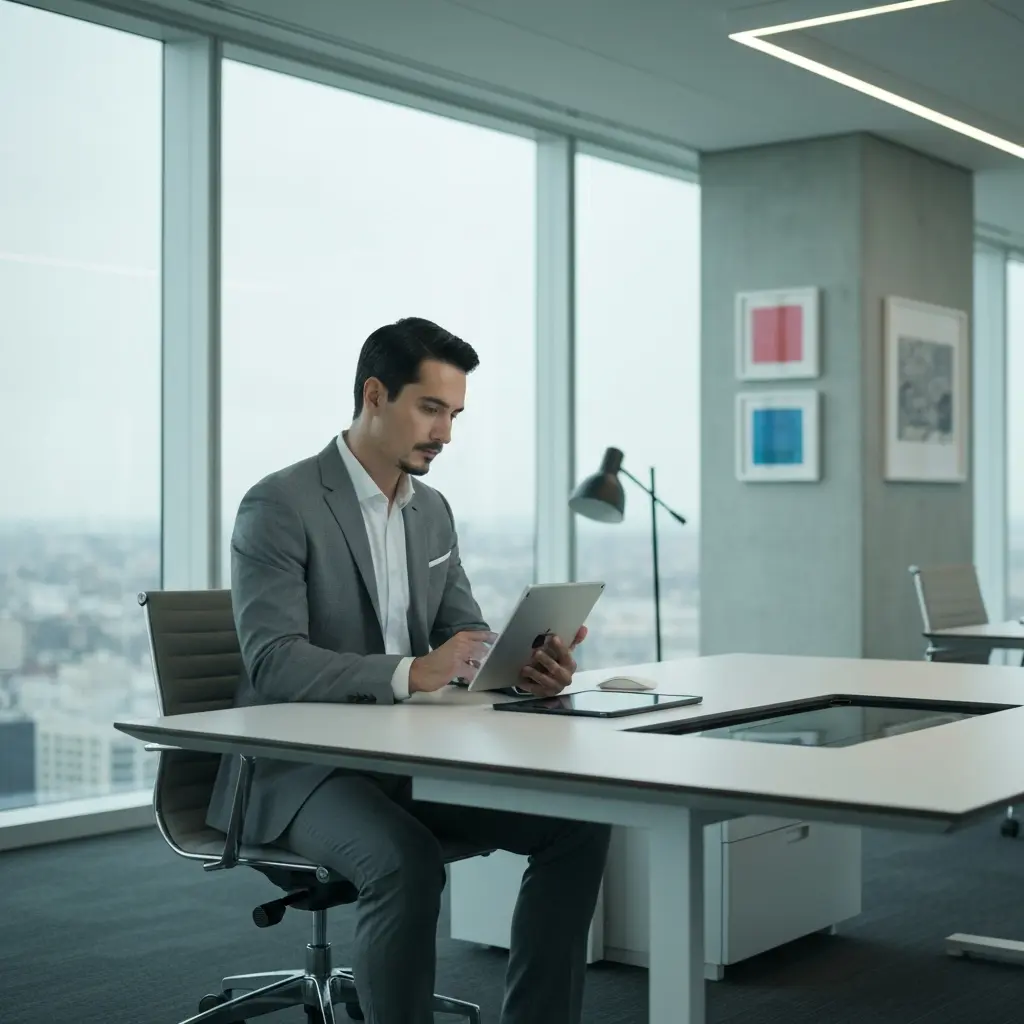
TL;DR: The era of aesthetic-focused coworking is ending. Global data shows businesses now demand utility: high-performance infrastructure, ergonomic furniture, and sustainable design that directly boosts productivity and reduces costs. For Indian entrepreneurs, this means choosing spaces engineered for measurable growth.
For Indian business leaders, the workspace is no longer just a physical address; it’s a critical growth lever. Rising real estate costs in Chennai, the challenge of attracting talent across India’s metros, and the need for GST-compliant operations demand a smarter solution. Traditional long-term leases lock capital and limit agility, while remote work can isolate teams and hamper collaboration. The 2026 office design trend offers a strategic answer, blending corporate-grade performance with the flexibility Indian businesses require to scale efficiently.
What is the 2026 Office Design Shift?
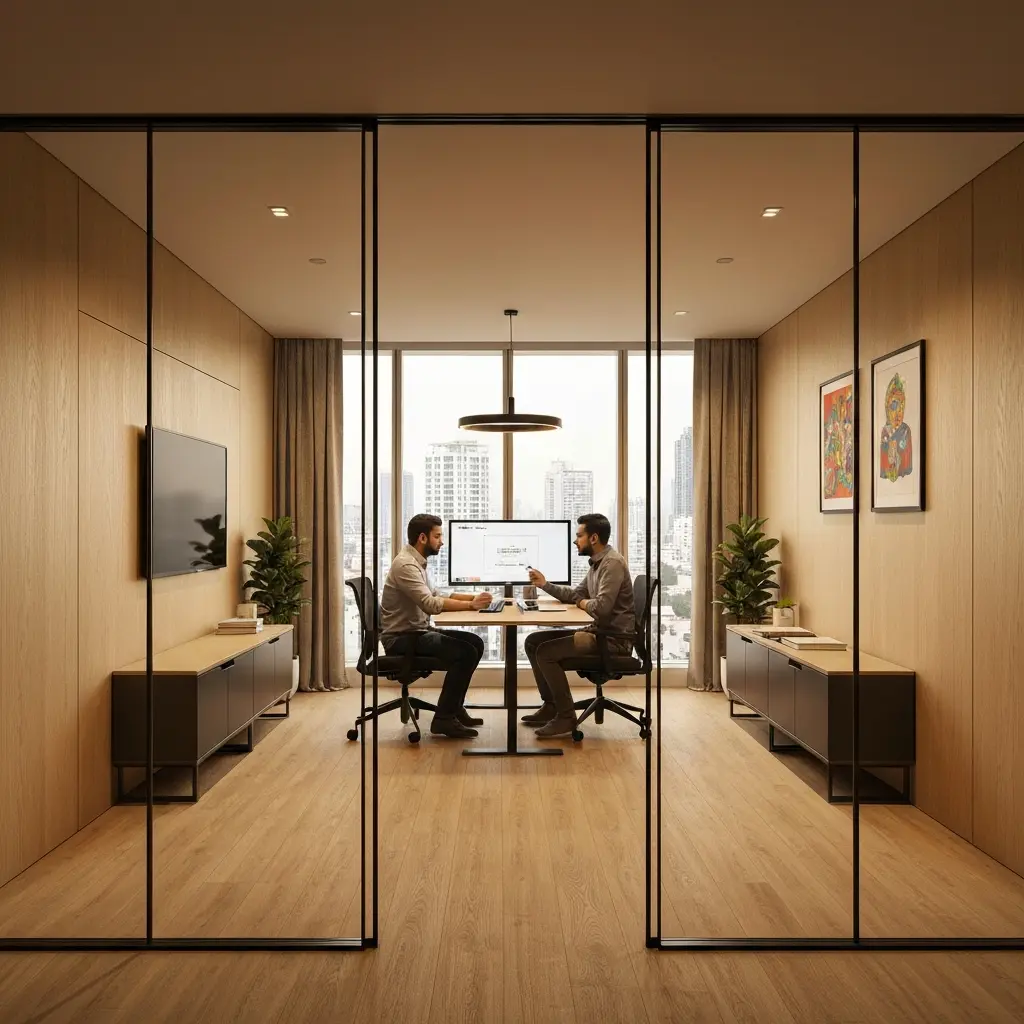
2026 office design marks the definitive pivot from visual ‘Instagrammability’ to high-performance utility in flexible workspaces. It prioritises enterprise-grade technical infrastructure (like 6GHz WiFi), scientifically-backed ergonomic furniture, and reconfigurable layouts that maximise functional density. The goal is to provide environments that directly enhance employee well-being, creative output, and operational cost-efficiency, moving beyond decorative gimmicks to measurable business outcomes.
How Does High-Utility Design Save Money and Boost Scale?
For an Indian SME founder, capital preservation is paramount. The 2026 utility model tackles this directly. Strategic investments in agile ‘kit-of-parts’ furniture systems allow operators to reconfigure layouts swiftly, reducing renovation costs by 20-30%. This operational efficiency translates to more stable membership rates for clients. Furthermore, the accelerating shift toward Furniture-as-a-Service (FaaS) allows providers to offer high-end, sustainable interiors without the traditional CAPEX, removing financial barriers for businesses seeking premium environments.
Consider the direct cost comparison for a small team in Chennai opting for a traditional lease versus a utility-focused flexible workspace:
| Cost Factor | Traditional Office (Annual Estimate) | High-Utility Flexible Workspace (Annual Estimate) |
|---|---|---|
| Base Rent (50 sq. ft/person) | ₹ 6-8 Lakhs | ₹ 2-4 Lakhs (All-inclusive membership) |
| Furniture & Fit-out CAPEX | ₹ 2-3 Lakhs | ₹ 0 (Typically included in FaaS model) |
| Maintenance & Utilities | ₹ 1-1.5 Lakhs | ₹ 0 (Typically included) |
| Renovation/Reconfiguration Costs | ₹ 50,000 - 1 Lakh | ₹ 0 (Operator handles via agile systems) |
Crizone Pro Tip: When evaluating a workspace, ask about the operator’s furniture procurement model. A FaaS or agile layout system indicates a forward-thinking partner focused on long-term cost stability for your business.
Can Ergonomic Utility Really Improve Indian Team Productivity?
Yes, unequivocally. Global data indicates strategic ergonomic investment reduces absenteeism by up to 67% and increases productivity by 15%. In the Indian context, where teams often work long hours and face physical strain from commuting, these gains are critical. An ergonomic chair that supports posture during a 10-hour workday can prevent fatigue, while monitor arms that reduce neck strain keep developers focused. This is not about luxury; it’s about engineering a workspace that protects your most valuable asset—your team’s health and output.
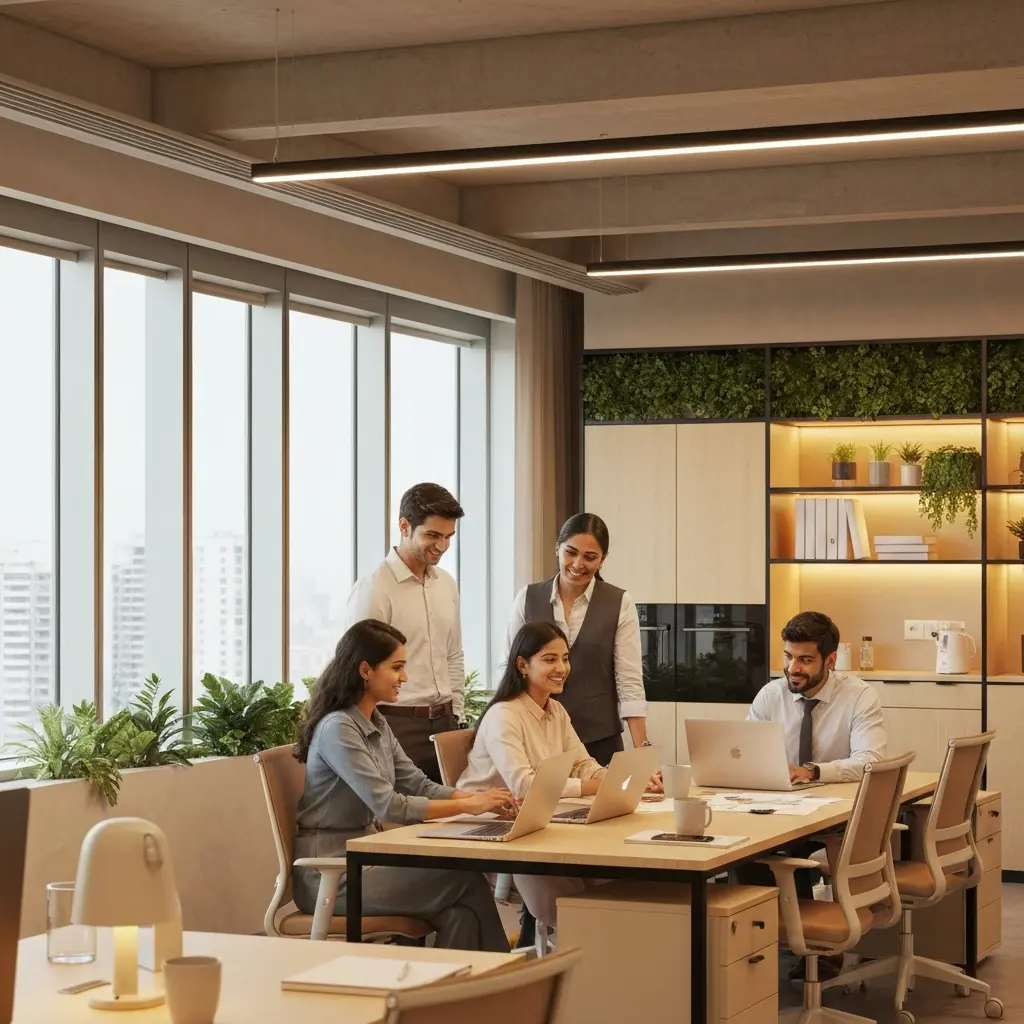
Environment-led design is now a verified performance metric. Integrating ample natural light—a boon in Chennai’s sunny climate—and plant-life drives a 15% boost in well-being and a 15% increase in creative output. These elements combat the monotony and isolation that can plague remote work, making the office a destination for rejuvenation and collaboration.
Manager Insight: “We see members who switched from basic home offices to ergonomic-focused pods report fewer aches and sustained energy through the afternoon, especially post-lunch. It directly impacts project delivery timelines.”
Why is Sustainable Design a 2026 Business Imperative?
Corporate environmental mandates are tightening globally and influencing Indian corporate partnerships. The market for furniture using recycled composites and sustainably sourced timber is expanding at an 8.64% CAGR. For a growing Indian company, choosing a workspace partner with a clear sustainability agenda is no longer just ethical; it’s strategic. It aligns with the values of future talent, meets the criteria of larger, environmentally-conscious clients, and ensures the workspace investment is future-proof.
This trend dovetails with the utility focus. Sustainable materials are often integrated into high-performance, durable furniture. The move away from cheap, disposable decor towards quality, long-lasting pieces inherently supports a circular economy. This shift reflects a mature market where every design choice serves a dual purpose: enhancing user experience and meeting broader corporate responsibility goals.
[Image of a cost-benefit diagram comparing Traditional Office vs. Flexible Workspace]
The 2026 Outlook for Chennai’s Workspace Market
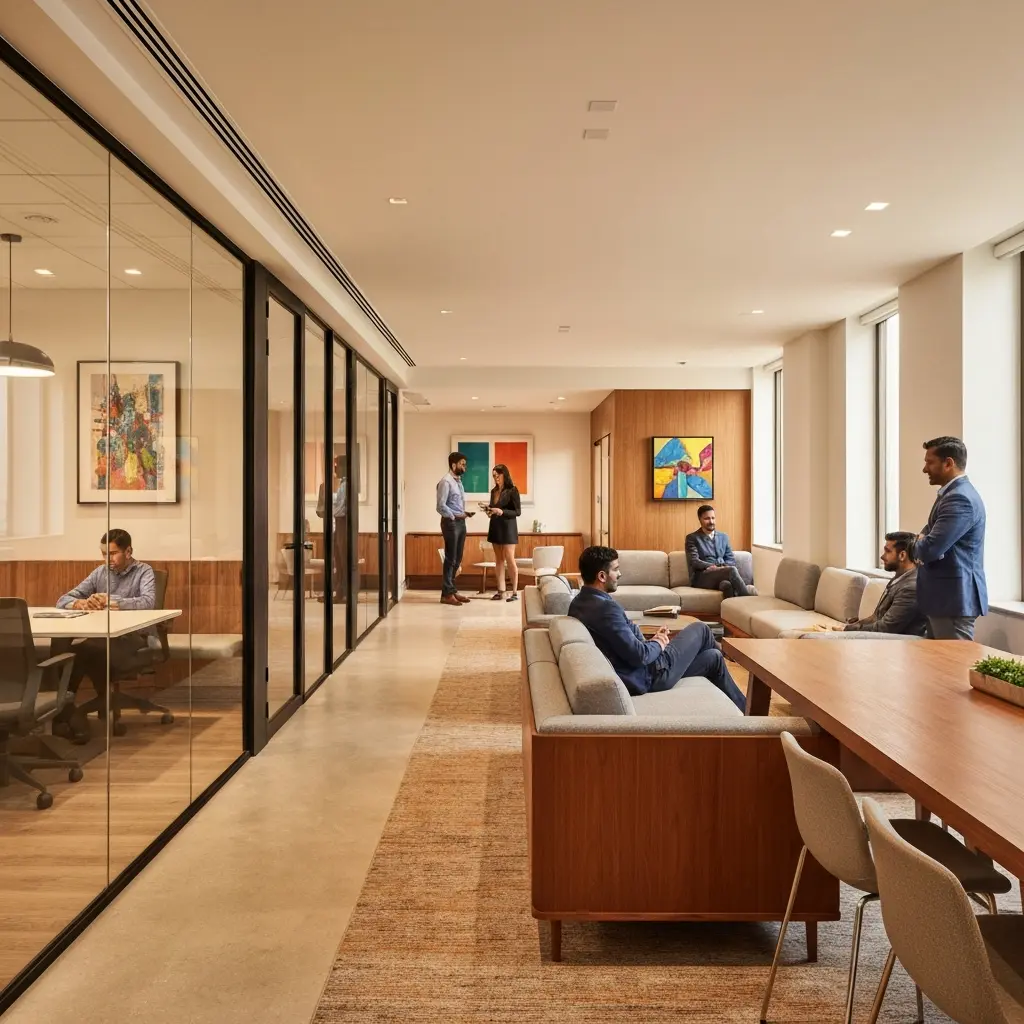
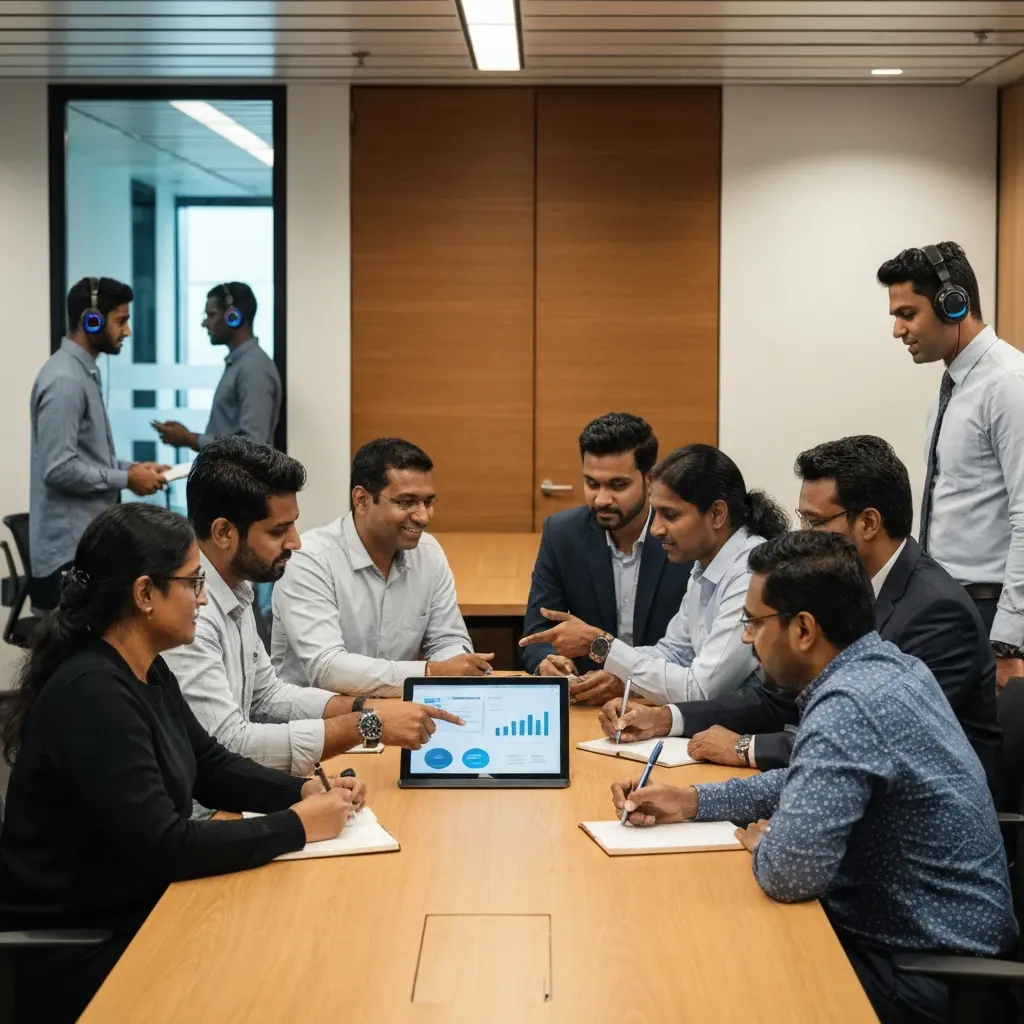
The Indian flexible workspace market will intensify its focus on performance metrics. As global office utilisation stabilises near 53%, operators will compete on the quality of the experience, not just its appearance. We predict a rise in ‘Zoned Utility’ spaces—dedicated deep-focus pods, collaborative hubs with advanced AV, and wellness areas—tailored to specific tasks. The demand for enterprise-grade infrastructure (reliable power backup, superior cooling for Chennai’s humidity) will be non-negotiable. Workspaces that fail to provide this utility will struggle to retain the 59% of companies planning to increase their footprint through flexible solutions.
Key Takeaways
- Prioritise technical infrastructure (6GHz WiFi, power backup) over decorative aesthetics when choosing a workspace.
- Ergonomic furniture is a productivity tool, reducing absenteeism and increasing output, justifying the investment.
- Flexible, reconfigurable layouts save operators money, which translates to more stable long-term costs for your business.
- Sustainable design and materials are a strategic business consideration, aligning with talent and client expectations.
- Seek spaces offering ‘Zoned Utility’—specific areas for deep focus, collaboration, and respite—to combat low engagement levels.
The argument is clear: the workspace of 2026 is a calibrated tool for business growth. It exchanges transient trends for enduring principles—ergonomics, sustainability, and agile operation. For the Indian entrepreneur, freelancer, or branch manager, this evolution presents an opportunity to align your physical environment with your ambition. It is about choosing a partner whose design philosophy is engineered for your success.
At Crizone Business Centre, our design ethos is already aligned with this utility-first future. We provide the high-performance infrastructure, ergonomic environments, and sustainable operations that Chennai’s growth-oriented businesses require to scale with calm efficiency.
Continue your workspace search
Explore the most relevant Crizone pages next
If this article is part of your Chennai workspace research, these pages help you move from reading into comparing live plans, locations, and fit.
Explore coworking plans in Chennai
Compare day passes, dedicated desks, private offices, meeting rooms, and virtual office options from one commercial hub page.
Book a day pass in Chennai
Best fit if you need occasional workspace access, a short productive break from home, or a flexible desk for a single day.
Compare dedicated desk options
A stronger fit for regular monthly use when you want a fixed seat, better routine, and predictable workspace costs.
- Coworking Ergonomics
- Flexible Workspace Trends
- Sustainable Office Furniture