· Business Growth & Workspace · 6 min read
Neighborhood Integration Drives 2026 Coworking Growth
In 2026, coworking spaces in Chennai are transforming into local anchors, boosting retention to 22+ months. Learn how neighbourhood integration, mental health services, and secondary market focus drive business growth.
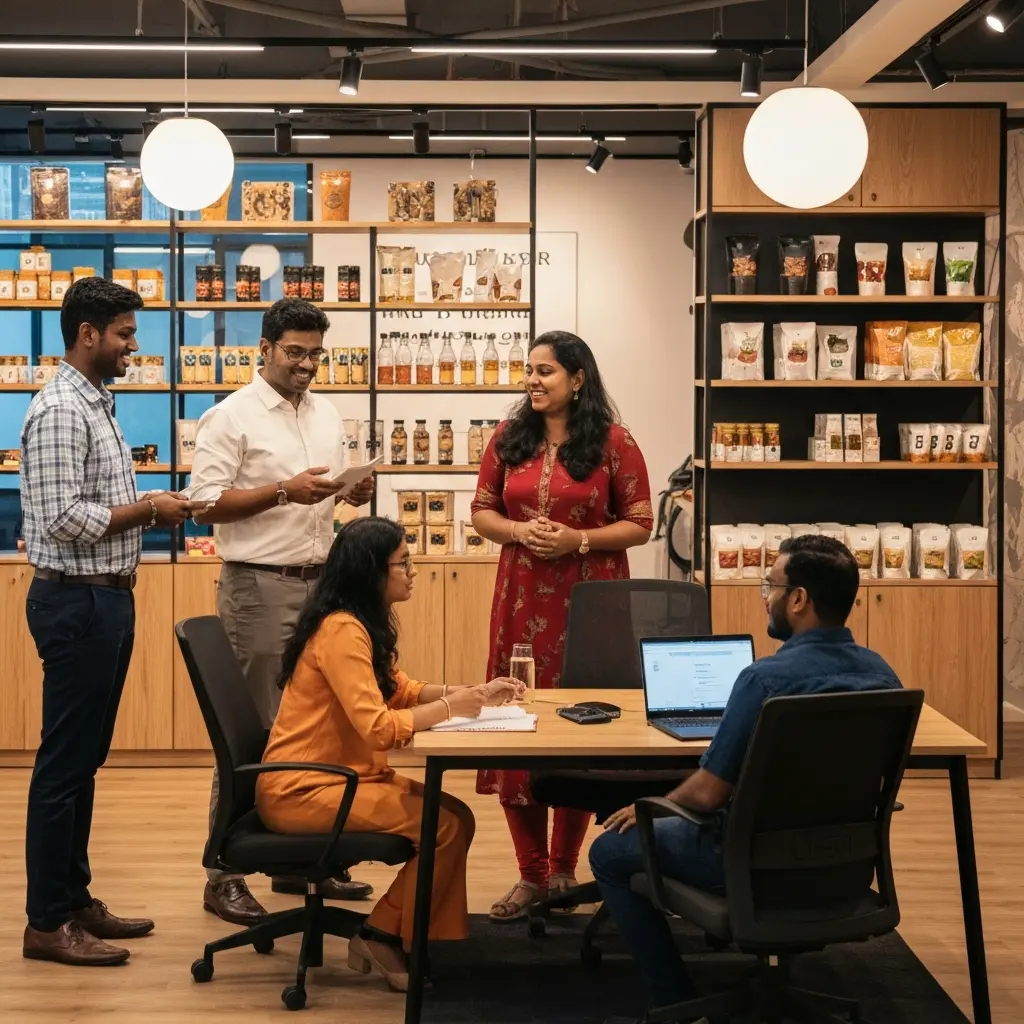
TL;DR: By 2026, successful coworking spaces are becoming integrated local anchors. They boost member retention past 22 months by providing a 15-minute-city lifestyle, supporting neighbourhood economies, and offering wellness services. This hyper-local approach drives better ROI for businesses than traditional city-centre offices.
For the Indian founder, navigating growth involves constant calculations. Sky-high city centre rents, punishing commutes on corridors like Chennai’s OMR, and the challenge of attracting talent seeking work-life balance create significant friction. The traditional five-year office lease is increasingly seen as a risky, inflexible anchor.
In contrast, the demand for agile, community-centric workspaces that support productivity and well-being is surging. The future of work is not just about a desk; it’s about how your workspace integrates with and enriches your daily life. This is where the concept of Neighborhood Integration becomes a critical competitive advantage for businesses.
What is Neighborhood Integration in Coworking?
Neighborhood Integration is the strategic evolution of a flexible workspace into a ‘Civic Anchor’—a localised ecosystem deeply connected to its surrounding community. It moves beyond providing Wi-Fi and coffee to actively facilitating a member’s daily life within a 15-minute radius of the hub. This involves partnerships with local businesses, programming that engages the neighbourhood, and services that address holistic well-being, all designed to make the workspace an indispensable part of a member’s personal and professional routine.
The 15-Minute City: The New Workspace Selection Criteria
By 2026, 65% of new memberships are driven by proximity. The ‘15-minute city’ principle—where daily essentials are within a short walk or cycle—has reshaped priorities. For the Indian professional, this means choosing a workspace that eliminates the daily two-hour commute, saving time and reducing stress.
This isn’t merely a convenience; it’s a productivity multiplier. The time saved translates directly into focused work hours or personal time, combating burnout. For a growing SME, this makes you an attractive employer for top talent who value life quality. A workspace in a well-connected, self-contained neighbourhood like Guindy or Vadapalani, with metro access, local cafes, and services, becomes a powerful recruitment and retention tool.
Business Growth Tip: When evaluating a workspace, map the 15-minute radius. Does it include lunch spots, a pharmacy, a gym, or a bank? This micro-ecosystem supports your team’s daily efficiency.
From Visitor to Local: How Integrated Hubs Boost Retention
Retention is the ultimate metric of value. In 2026, the average coworking tenure has reached 22 months, a historic high. This loyalty is fuelled by integrated ecosystems. Data shows 60% of members spend money at local businesses daily—transforming the workspace from an isolated office into the centre of their local economic and social life.
For a business, this creates a ‘stickier’ environment for your team. Engagement shifts from generic corporate events to ‘Micro-events’—like a local chef’s pop-up, a wellness workshop with a neighbourhood yoga studio, or a showcase for district-specific startups. These report 40% higher participation, fostering genuine community and serendipitous local networking that can lead to partnerships or clients.
Crizone Pro Tip: Look for a centre that curates local partnerships. At Crizone, we connect our members with neighbouring services, from quick print solutions to catering for client meetings, embedding your business within a supportive local network and simplifying operations.
The Financial Logic: Stability, Profitability, and Smart Expansion
The financial model of these modern hubs is compelling. Private suites, ideal for established SMEs and corporate satellite teams, generate 60% of operator revenue while using under 50% of the space. This creates a stable economic base that funds community amenities.
Furthermore, the growth is strategic. While major metro hubs remain important, the fastest growth rates are in secondary markets—akin to India’s Tier-2 cities. Operators are focusing on ‘middle-out’ expansion in accessible, high-potential areas. For a Chennai business, this could mean considering a premium workspace in a burgeoning commercial zone rather than the congested core, offering better value and accessibility.
The most profitable 54% of operators diversify revenue through hyper-local services like renting out event spaces to neighbourhood groups or forming local supply chain partnerships. This mirrors a lesson for Indian businesses: resilience comes from diversified, community-anchored revenue streams.
| Cost Factor | Traditional Chennai Office (Annual) | Integrated Coworking Hub Solution |
|---|---|---|
| Base Rent (500 sq ft) | ₹ 6-10 Lakhs + 10% annual escalation | ₹ 2.5-4 Lakhs for 5 dedicated desks (all-inclusive) |
| Furniture & IT Capex | ₹ 3-5 Lakhs (one-time) | ₹ 0 (fully equipped) |
| Maintenance & Utilities | ₹ 1-1.5 Lakhs + monthly fluctuations | ₹ 0 (included) |
| Administrative Overhead | Salaries for office staff | ₹ 0 (front desk & IT support included) |
| Total Commitment | Long-term (3-5 yr) lease, high fixed cost | Flexible monthly terms, predictable OpEx |
The 2026 Outlook for Indian Businesses
The Indian flexible workspace market is poised to absorb these global trends rapidly. We will see a stronger emphasis on hubs in cities like Coimbatore, Kochi, and Pune, and within Chennai, in areas beyond the traditional core. Mental health support, following initiatives like GCUC’s ‘Door Is Open’, will transition from a premium perk to a standard community benefit, addressing well-being in the workplace directly. Enterprise demand for flexibility will continue to rise, with companies opting for agile spaces to manage their hybrid strategies. The workspace will be judged not just by its four walls, but by the quality of life it enables in the fifteen minutes outside them.
Key Takeaways
- Prioritise Proximity: Choose a workspace within a 15-minute commute for your core team to boost morale, productivity, and retention.
- Seek Ecosystem, Not Just Space: Value centres that actively integrate with local businesses and services, simplifying your operational overhead.
- Leverage Local Community: Engage in hyper-local micro-events for more meaningful networking and potential business opportunities.
- Financial Agility is Key: Opt for flexible terms over long leases to maintain financial agility, using workspace as a variable, not fixed, cost.
- Well-being is a Service: Future-proof your team’s satisfaction by selecting a workspace that offers integrated wellness and mental health support as part of its community ethos.
Conclusion
The future of work is localised, integrated, and human-centric. The transition from a transactional desk rental to a strategic Civic Anchor model represents a fundamental shift. For the ambitious Indian business, this means your choice of workspace is no longer just a real estate decision; it is a critical growth strategy that impacts your team’s well-being, your operational efficiency, and your connection to the market.
This vision of a seamlessly integrated, productivity-focused, and community-rich work life is what we cultivate every day. Discover how a Crizone Business Centre membership can anchor your business in Chennai’s most supportive neighbourhood ecosystems, designed for the demands of 2026 and beyond.
Continue your workspace search
Explore the most relevant Crizone pages next
If this article is part of your Chennai workspace research, these pages help you move from reading into comparing live plans, locations, and fit.
Explore coworking plans in Chennai
Compare day passes, dedicated desks, private offices, meeting rooms, and virtual office options from one commercial hub page.
Book a day pass in Chennai
Best fit if you need occasional workspace access, a short productive break from home, or a flexible desk for a single day.
Compare dedicated desk options
A stronger fit for regular monthly use when you want a fixed seat, better routine, and predictable workspace costs.
- Coworking Trends
- Hybrid Work
- Business Growth Chennai
- SME Workspace