
· Workspace Strategy · 5 min read
Setting Up a Hub-and-Spoke Office to Cut SME Costs in Chennai
A step-by-step guide to ditching your expensive central lease for a practical hybrid model with a small anchor office and satellite desks near your team's.
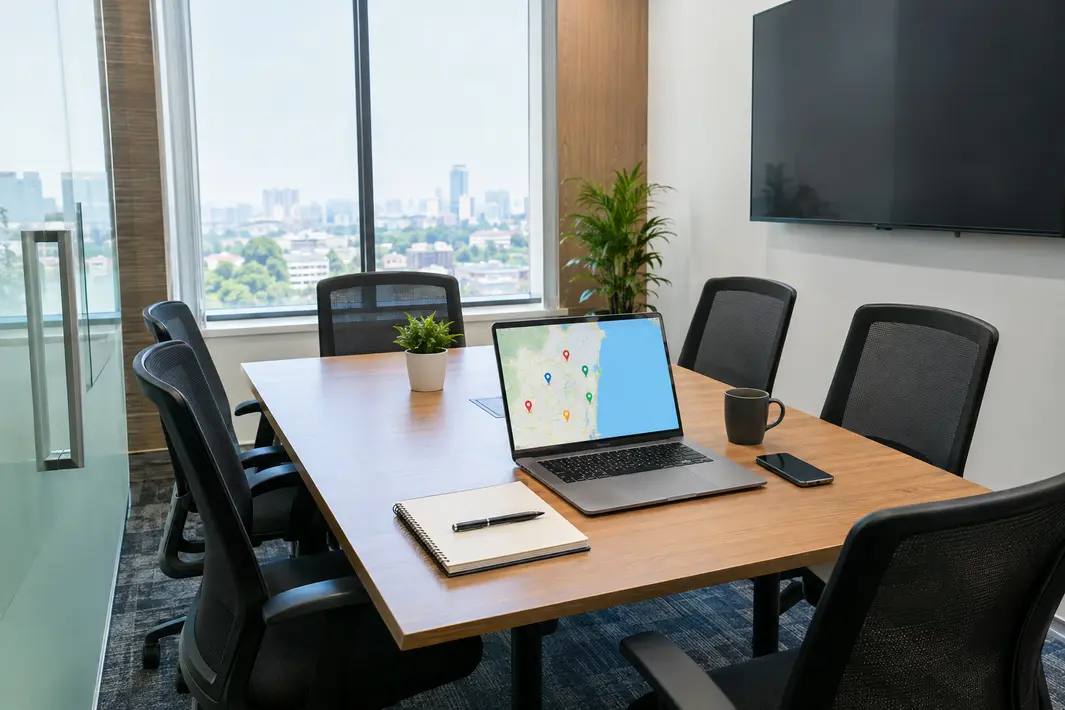
If you’re a founder paying for an underutilized 20-seater office while your team is spread across Chennai, you can replace that fixed cost with a flexible, practical ‘hub-and-spoke’ model. This guide shows you how to establish a central meeting hub and provide satellite access near employees’ homes, saving money and improving morale.
Why the Traditional Lease is a Burden for SMEs
The old model of leasing a large floor plate in a prime location like OMR or Guindy is built for a pre-2020 reality. It assumes your entire team commutes to one spot every day. For a small or mid-sized company, this means paying for empty desks, hefty security deposits that tie up capital, and subjecting your team to gruelling commutes. The financial and operational strain is real.
The hub-and-spoke model flips this. You maintain a professional, central ‘anchor’ for collaboration and client meetings, while empowering your team to work from quality spaces closer to home. It’s a structured hybrid approach, not just ‘work from anywhere’.
Your Step-by-Step Roadmap
1. Cluster Map Your Team
Before you look at a single office brochure, know where your people actually are. Create a simple Google Form asking for their locality (e.g., Mogappair, Porur, Tambaram, Thiruvanmiyur). The goal is to identify residential clusters. This map will dictate everything: your hub location and where you need spoke options. You might discover your team is largely in the western suburbs, making a hub in OMR illogical.
2. Choose Your ‘Hub’: The Central Anchor
This is your company’s professional home base—a small, private cabin for core team meetings, strategy sessions, and hosting clients. You don’t need 20 seats; a 4-6 seater cabin is often perfect.
Location Strategy: The hub should be centrally accessible to most, not necessarily in the most expensive corridor. For teams clustered in the west, areas like Ambattur or Anna Nagar offer excellent connectivity via the Inner Ring Road and affordability. This is crucial: while OMR commands premium rates, the Ambattur/industrial belt offers more cost-effective options for the same quality of managed space (MyPropertyPoint).
The Financial Shift: This is where you break from the traditional lease. Opt for a managed office or business centre for your hub. The key advantage? Deposit structure. Shift from a crippling 6-10 month security deposit to the standard 2-month deposit found in the flexible office sector (GoFloaters). This alone can free up significant working capital. Use the hub’s address for your official GST registration and corporate correspondence, keeping everything above board.
3. Set Up the ‘Spokes’: Flexible Access Near Home
Spokes are not home offices. They are professional, reliable workspaces within a 15-20 minute commute of your employees’ homes.
The Credit System: Instead of paying for fixed desks they seldom use, provide team members with a monthly allowance of ‘flexi-pass’ credits or day passes to a reputable coworking space near their locality. For example, an employee in Porur uses credits at a Porur coworking space; one in Adyar uses a space there. This system is fueled by Chennai’s growing supply of quality flexible workspaces (JLL).
Management: Use a simple spreadsheet or a designated tool to track credits. The rule is simple: need focused work, a change of scenery, or a reliable internet connection? Use a spoke credit. Need to collaborate with the team? Come to the hub.
4. Solve the ‘Last-Mile’ Commute
Even a well-located hub might be a short auto-ride from a metro or railway station. To remove friction, consider offering a practical last-mile solution for hub days.
- Designated Share-Autos: If your hub is near a transit point like Pattaravakkam (close to Prince Info Park) or Alandur Metro, you can pre-arrange and subsidise share-auto fares for a common route to the office.
- Reimbursed Rides: A cleaner method is to provide a monthly budget for Rapido or Uber rides from the nearest major transit hub to the office. This small perk dramatically increases the willingness to come in for collaboration.
Honest Trade-offs and Considerations
- Culture Building: Spontaneous team interactions decrease. You must be intentional about hub days. Schedule core collaborative work (planning, reviews, brainstorming) on 2-3 designated days per week to ensure the team connects in person.
- Management Overhead: The credit system requires minor administration. You’ll also need clear guidelines on what hub days are for.
- Not for All Roles: Roles that require dedicated hardware or secure, on-site systems daily may not suit this model. It’s ideal for knowledge workers in tech, marketing, design, and support.
Making It Work in Chennai
- Leverage Transit: Plan your hub location with Chennai’s expanding Metro Phase 2 in mind. Proximity to current and future stations (like those on the corridor to Madhavaram) is a long-term win.
- Avoid the Crawl: A hub in Ambattur or Poonamallee bypasses the infamous ‘OMR crawl’ for your western suburb team, just as a hub in the CBD might ease travel for those in the north. Let your team cluster map decide.
- Monsoon-Proofing: Ensure your chosen hub and any recommended spoke locations are in areas less prone to waterlogging during heavy rains.
How a Space Like Crizone Fits In
Implementing this model requires partners, not just landlords. At Crizone, in Ambattur, we see this need often. We provide the ideal ‘hub’—private cabins for small teams with the professional infrastructure and 2-month deposit terms that make the model viable. Furthermore, our network and understanding of the western Chennai landscape can help you identify potential ‘spoke’ partners in other suburbs, creating a seamless system for your team. The goal is to give you the flexibility to scale your presence up or down without the burden of a rigid lease, which is exactly what the future of work for SMEs demands (AWFIS).
Start with the cluster map. The data will show you the path to a smarter, more affordable, and more humane way of working that fits your actual team, not an outdated real estate model.
Continue your workspace search
Explore the most relevant Crizone pages next
If this article is part of your Chennai workspace research, these pages help you move from reading into comparing live plans, locations, and fit.
Explore coworking plans in Chennai
Compare day passes, dedicated desks, private offices, meeting rooms, and virtual office options from one commercial hub page.
Book a day pass in Chennai
Best fit if you need occasional workspace access, a short productive break from home, or a flexible desk for a single day.
Compare dedicated desk options
A stronger fit for regular monthly use when you want a fixed seat, better routine, and predictable workspace costs.
- Hybrid Work
- Chennai Offices
- SME Savings
- Managed Office