· Business Growth & Workspace · 6 min read
Why Riyadh's 58% Coworking Growth is a Blueprint for Indian SMEs
Riyadh leads the global flexible office market with a 58% CAGR, driven by Managed Suites and tech. This GCC trend offers a crucial lesson for Indian businesses scaling up.
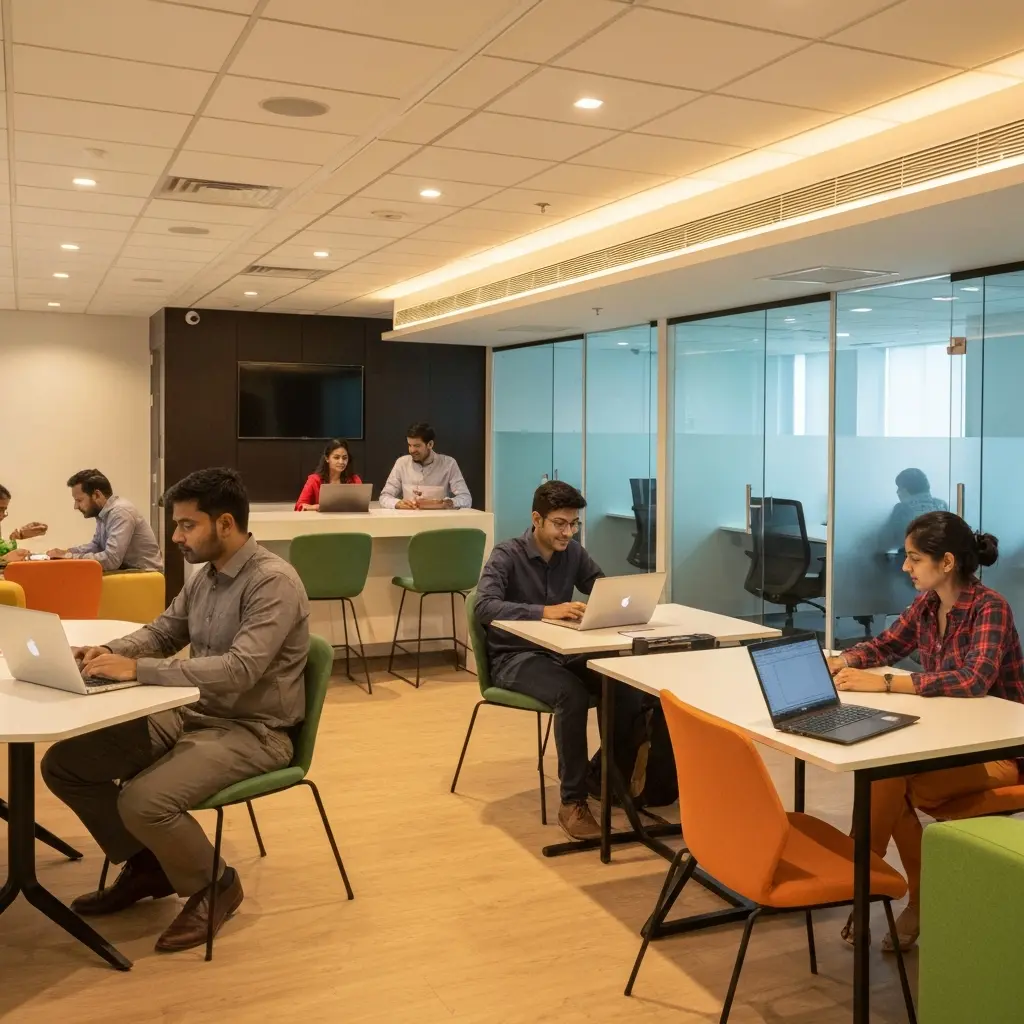
TL;DR: While flexible workspace growth contracts in the West, the GCC is booming. Riyadh’s Riyadh flexible workspace market leads globally with a 58% CAGR, fueled by enterprise demand for Managed Suites and smart tech. This pivot from freelancer hubs to corporate-ready, tech-integrated spaces offers a vital strategic roadmap for Indian SMEs aiming to scale efficiently and attract top talent in 2026 and beyond.
For founders and managers of growing Indian businesses, the traditional office lease presents a significant obstacle. It locks capital, commits to long-term overheads in a fluctuating market, and limits your agility. Meanwhile, the competition for talent demands a modern, appealing workplace, especially post-pandemic. The growth corridors of the world are showing us a new path. While headlines often focus on Western markets, the most aggressive and instructive growth in flexible workspaces is now happening in the Middle East, offering a clear blueprint for Indian enterprises.
What is the GCC Flex Expansion?
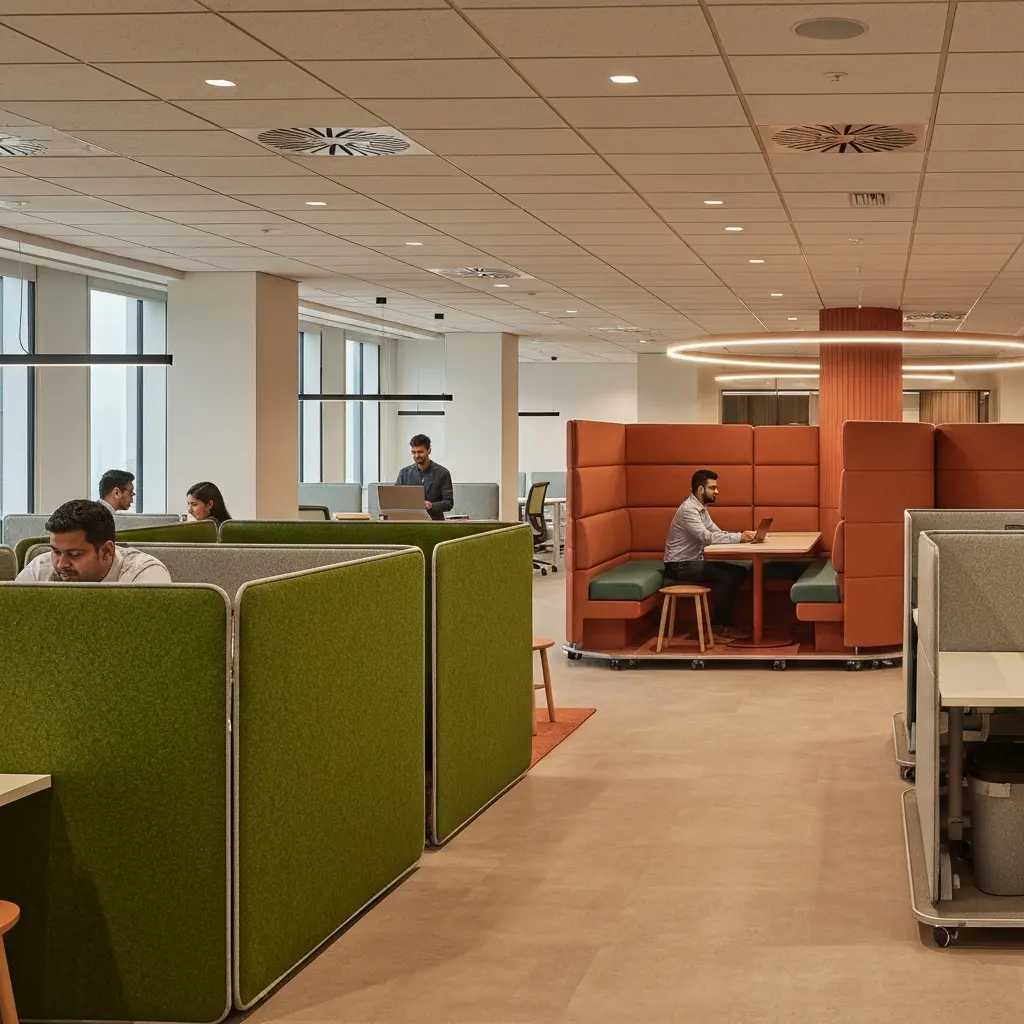
The GCC Flex Expansion refers to the record-breaking growth of flexible and managed office spaces in the Gulf Cooperation Council region, particularly Saudi Arabia and the UAE. Driven by national visions like Saudi’s Vision 2030, this expansion is characterised by a dominant shift in demand from enterprise clients for high-tech, private, and fully-serviced suites over traditional open-plan coworking. This trend signifies a maturation of the flexible workspace model, aligning it directly with core corporate real estate strategy.
Why Managed Suites are the Future for Scaling Businesses
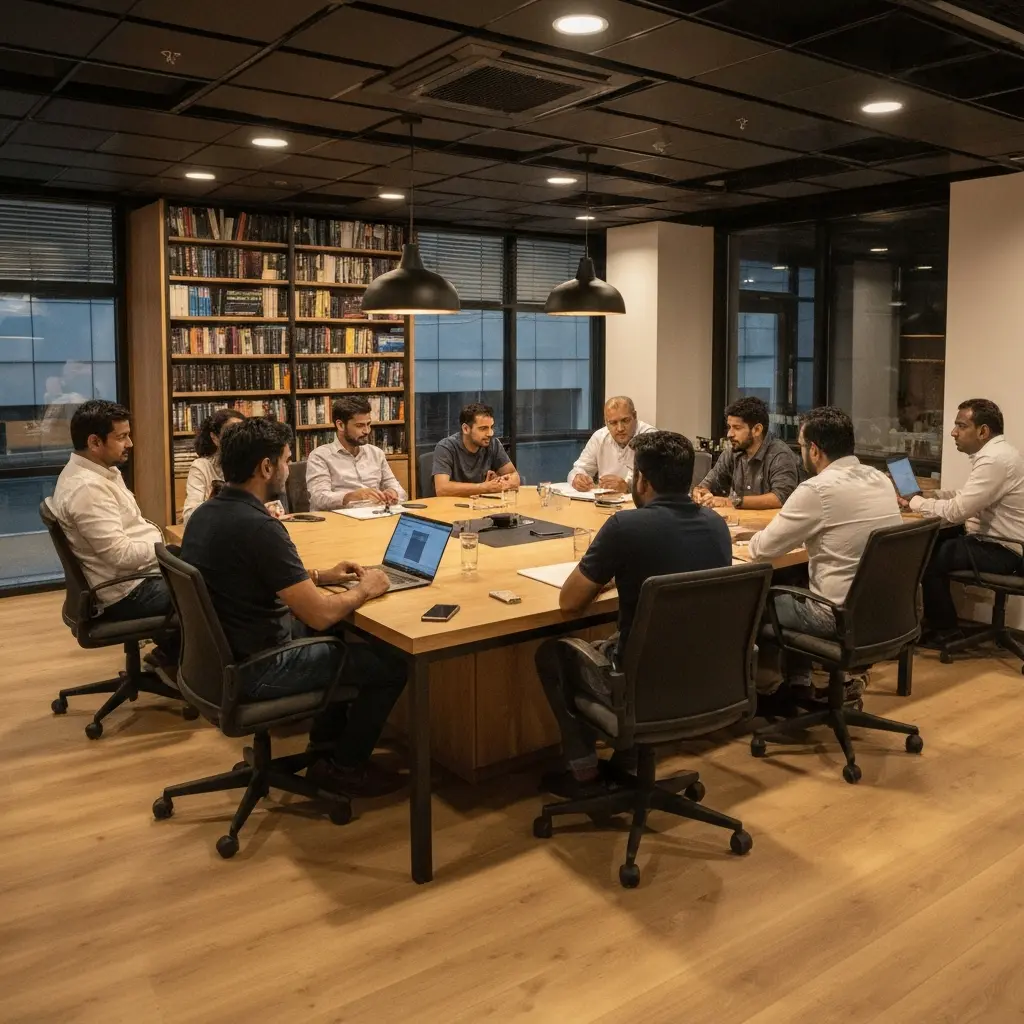
The data is clear: in Riyadh and Dubai, 60% of corporate clients now prefer flexible, fully-serviced private offices, or ‘Managed Suites.’ This is not a minor preference shift; it’s a fundamental market evolution. For an Indian SME, this signals the next phase of flexible workspace utility. As your team grows from 10 to 50, the need for dedicated brand identity, confidential meeting spaces, and controlled environments becomes paramount. A Managed Suite within a premium business centre like Crizone provides this, alongside the flexibility to expand or contract without the punitive costs of breaking a lease.
Crizone Pro Tip: When evaluating a Managed Suite, look beyond square footage. Assess the quality of the support infrastructure: dedicated reception, IT support, and admin services. These ‘hidden’ resources free your core team to focus on revenue-generating work, not office management.
This pivot is forcing a redesign of space. Enterprise clients in the GCC demand 20+ desk configurations at a rate 20% higher than in 2023. This directly translates to the Indian context, where a growing SME needs to house a full sales team, a development pod, and leadership privately, yet affordably. The traditional alternative—leasing a 2,000 sq. ft. office in Chennai’s CBD—comes with crippling fixed costs.
| Cost Factor | Traditional Chennai Office (2,000 sq. ft.) | Flexible Managed Suite (20 Desks) |
|---|---|---|
| Monthly Rent & Maintenance | ₹3-4 Lakhs (fixed) | ₹2.5-3.5 Lakhs (all-inclusive, flexible term) |
| Security Deposit | ₹10-12 Lakhs (locked capital) | ₹1-2 Lakhs (or monthly plan) |
| IT/Internet Setup | ₹5 Lakhs+ (CAPEX) | Included/Managed Service |
| Admin & Reception Staff | ₹1.5 Lakhs/month (salary + overhead) | Included in service |
| Table: A simplified cost comparison highlighting the capital preservation and operational efficiency of a flexible suite model for a growing team. |
How Tech-Driven Workspaces Directly Boost Operational Efficiency
The GCC trend highlights that growth is not just about more space, but smarter space. Approximately 41% of new investments target ‘High-Tech Infrastructure’ like smart sensors, biometric access, and digital resource booking. For an Indian business, this tech layer solves daily friction points. Automated meeting room booking ends disputes and dead time. Smart energy management in a city like Chennai directly impacts overheads. More critically, integrated platforms streamline billing and operations, with Gulf data showing such software reduces billing processing from 10.1 days to 3.9 days.
[Image of a workspace management dashboard]
This operational efficiency is a competitive advantage. As highlighted by recent JLL India reports, the demand for ‘Flexible Office Solutions with Tech Integration’ is rising among domestic enterprises. It allows founders and branch managers to gain granular insight into space utilisation—data that is impossible to get from a traditional lease—enabling smarter decisions about future growth. Skipping the daily OMR traffic is one benefit; having a workspace that actively works for you is another.
Is the “Enterprise-Grade Flexible” Model Right for Your Growth Phase?
The key question for an Indian founder is timing. The GCC movement shows flexible workspace is no longer just for freelancers and startups; it’s the scaling platform for established firms. If your business is experiencing rapid growth, facing talent retention challenges in a competitive market, or needs a professional Chennai address without the long-term liability, the enterprise-grade flexible model is highly relevant. It provides the prestige and functionality of a corporate office with the agility your growth trajectory demands.
This model also de-risks expansion. Opening a new branch or project office no longer requires a massive upfront real estate commitment. You can establish a professional presence in a key location, like a premium business centre near the Chennai Metro, with a team of five, and scale to twenty as the project matures. This aligns perfectly with the variable demands of India’s project-driven and festive-season business cycles.
Manager Insight: The shift to Managed Suites is as much about culture as cost. Providing teams with a stable, well-appointed ‘home’ within a dynamic community reduces churn and fosters a sense of belonging, which is crucial for retaining top talent in India’s competitive tech and services sectors.
The 2026 Outlook for Indian Workspaces
By 2026, the lessons from the GCC’s flex expansion will be deeply embedded in the Indian commercial real estate landscape. We anticipate a surge in demand for high-capacity, tech-enabled Managed Suites from domestic SMEs and corporates alike. The market will bifurcate: basic coworking for micro-entrepreneurs, and sophisticated, service-rich business centres for scaling companies. Operators who invest in spatial computing and AI-integrated hardware, as seen with launches in Dubai, will lead the premium segment. For Indian businesses, this means access to world-class, efficient workspace solutions will become the norm, not the exception, right here in Chennai.
Key Takeaways
- Look Beyond Open-Plan: The future for scaling businesses lies in flexible Managed Suites, not just hot desks, offering privacy, brand identity, and dedicated infrastructure.
- Tech is Non-Negotiable: Prioritise spaces with integrated management platforms, smart booking, and high-grade connectivity to boost daily operational efficiency.
- Preserve Capital: Convert large fixed costs (rent, deposits, fit-out) into variable operational expenses, freeing up capital for core business investment.
- De-Risk Expansion: Use flexible terms to test new markets or scale project teams without the liability of a traditional long-term lease.
- Attract and Retain Talent: A premium, well-located, and tech-forward workspace is a powerful tool in the competitive Indian talent market.
Conclusion
The staggering 58% growth of Riyadh’s flexible workspace market is more than a regional statistic; it’s a signal of a global shift in how growing businesses choose to operate. It underscores a move towards agility, operational intelligence, and capital efficiency. For the ambitious Indian entrepreneur or the pragmatic branch manager in Chennai, this evolution presents a clear strategy to outpace competitors burdened by outdated real estate models. It begins by partnering with a workspace provider built for this new era of growth. Explore how Crizone Business Centre’s tech-integrated Managed Suites can be the strategic foundation for your next phase of expansion.
Continue your workspace search
Explore the most relevant Crizone pages next
If this article is part of your Chennai workspace research, these pages help you move from reading into comparing live plans, locations, and fit.
Explore coworking plans in Chennai
Compare day passes, dedicated desks, private offices, meeting rooms, and virtual office options from one commercial hub page.
Book a day pass in Chennai
Best fit if you need occasional workspace access, a short productive break from home, or a flexible desk for a single day.
Compare dedicated desk options
A stronger fit for regular monthly use when you want a fixed seat, better routine, and predictable workspace costs.
- Coworking Trends
- Business Growth
- Commercial Real Estate
- SME Strategy